
Some of the most exciting frontiers in science and technology are happening at the smallest scales. At the level of atoms and molecules, materials behave in extraordinary ways, and engineers who can design and build at the nanoscale are creating the advanced materials behind next-generation electronics, energy, medicine, and manufacturing. Materials science and nano-engineering is the discipline at this frontier: the study and engineering of materials, including at the nanoscale, to create substances with remarkable and precisely tailored properties. It is a modern, interdisciplinary, and future-oriented field that sits at the cutting edge of engineering. For students drawn to advanced technology and the science of materials, a bachelor’s in materials science and nano-engineering is a forward-looking path, and Ankara, Türkiye’s capital and a centre of technical education and industry, is a place to pursue it.
In our catalogue, a bachelor’s in materials science and nano-engineering with an Ankara option is offered by OSTIM Technical University, taught in English, with annual tuition of around $3,960, and the field is also offered in Cyprus at Near East University in English. The English-taught option makes the field accessible to international students who do not work in Turkish, a detail we return to below. You can explore the full, filterable picture on our programs explorer.
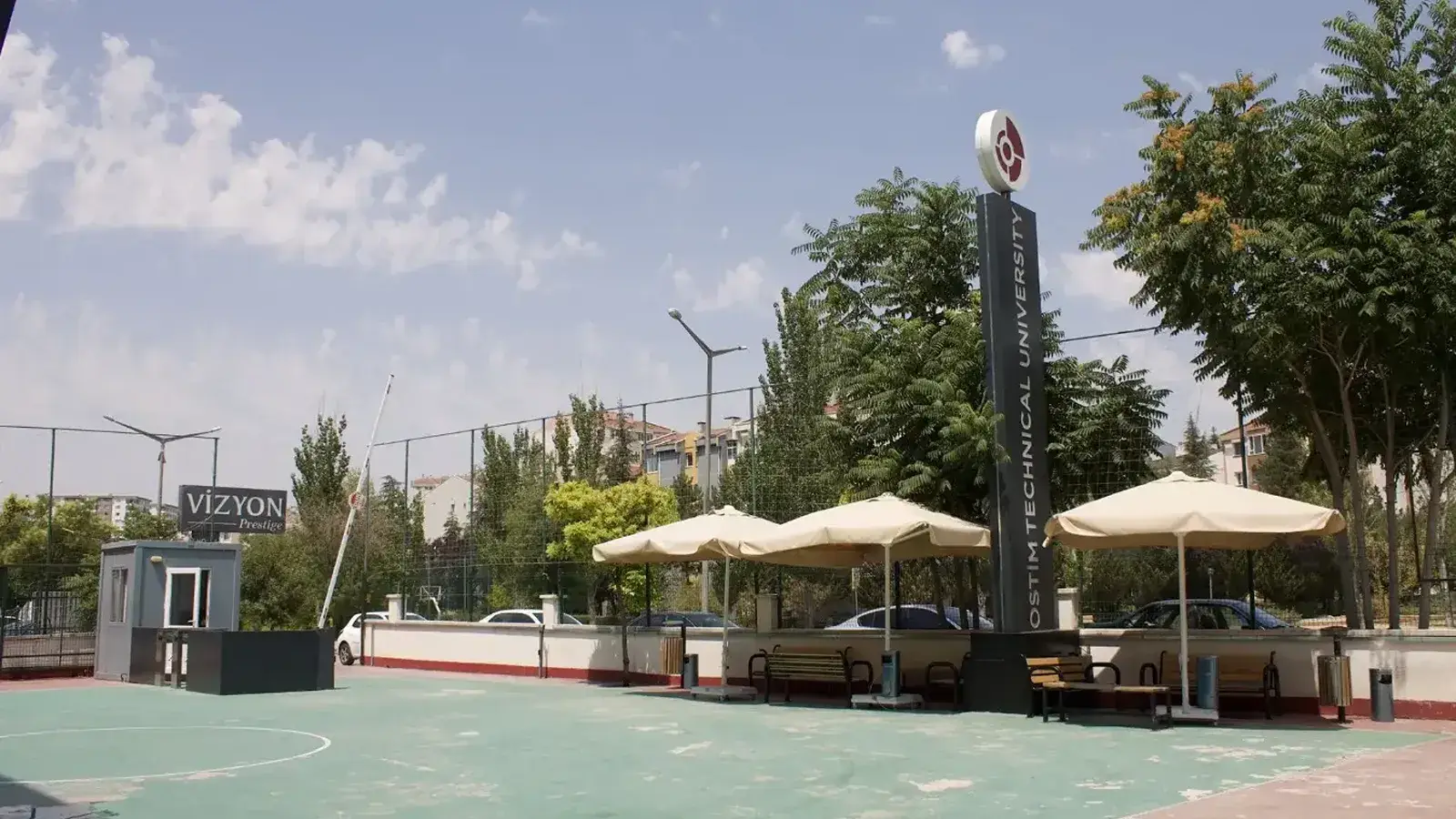
This guide walks through everything a prospective student needs to weigh: who the program is for, what you actually study, the language situation, the real costs of studying and living in Ankara, how recognition works, the admission and visa steps, and where the qualification can take you afterwards. The aim is a realistic picture, not a sales pitch, so you can decide whether this path fits your goals.
Who This Program Is For
A bachelor’s in materials science and nano-engineering is a four-year undergraduate engineering degree at the modern frontier of materials. It combines a strong foundation in mathematics, physics, and chemistry with the science and engineering of materials, with a particular emphasis on advanced materials and the nanoscale, where novel and powerful properties emerge. It suits students with a genuine aptitude for and interest in science and engineering who are excited by cutting-edge technology and the idea of designing materials at the smallest scales.
This program suits several kinds of people. It suits students fascinated by advanced technology and the science behind it, who want to work at the frontier where new materials are created. It suits those drawn to the interdisciplinary nature of the field, which brings together physics, chemistry, and engineering. It suits people who want a modern, future-oriented engineering qualification connected to emerging technologies in electronics, energy, medicine, and beyond. And it suits those who enjoy the combination of deep science and practical engineering that defines work at the nanoscale.
It is honest to note the nature of this degree. Like all engineering, it is demanding, requiring real ability in mathematics and science, and as a frontier field combining advanced science with engineering, it is intellectually rigorous. It is also a relatively modern and specialised field, more so than traditional engineering disciplines, which is part of its appeal but also means it is best suited to those genuinely drawn to the advanced-materials and nanotechnology frontier. Engineering is typically a regulated profession, with professional practice subject to specific requirements. For someone with genuine engineering aptitude and a real interest in advanced materials and nanotechnology, it is an exciting and forward-looking path. We say this clearly so you can judge whether the field matches your interests and abilities.
Why Study Materials Science and Nano-Engineering in Ankara
Ankara, Türkiye’s capital, is a major centre of higher education, technical institutions, and industry, with a strong engineering tradition and a growing role in technology and advanced manufacturing. For a frontier engineering field, studying in a city with serious technical education and an industrial and technological base offers a sound setting. OSTIM Technical University in particular is notable: it is closely connected to the OSTIM industrial zone, one of Türkiye’s largest, giving it a strong industry orientation that is valuable for an applied, technology-focused field like this.
The availability of an English-taught option is a particular draw. Because OSTIM Technical University offers the program in English, the field is accessible to international students who do not work in Turkish, which aligns well with the international nature of advanced engineering and research, where English is the dominant language. For an international student wanting to study at the materials and nanotechnology frontier without first mastering Turkish, an English-medium program in Ankara is a significant opportunity, and at a notably affordable cost.
The cost picture is favourable. The English-taught program at OSTIM Technical University, at around $3,960 a year, is affordable for an English-medium engineering degree, especially for a frontier field, and the Cyprus option is similarly accessible. Compared with studying advanced materials and nanotechnology at universities in Western countries, this is highly competitive, and when you add Türkiye’s lower cost of living, the overall cost of this engineering education is very manageable.
Finally, this is one of the most future-oriented fields in engineering. Nanotechnology and advanced materials are central to progress across electronics, energy, medicine, manufacturing, and sustainability, and the demand for expertise at this frontier is growing. The skills and knowledge are internationally portable and connected to emerging technologies worldwide. Studying the field gives you a foundation aimed squarely at the technologies of the future, which for the right student is a major part of the appeal.
Is a Bachelor’s in Materials Science and Nano-Engineering Worth It?
Whether a degree is “worth it” depends on your goals, your starting point, and the alternatives. For materials science and nano-engineering, the honest answer is that it is worth it for students with a genuine aptitude for and interest in science and engineering who are drawn to the advanced-materials and nanotechnology frontier and want a modern, future-oriented engineering career.
On the positive side, this is a cutting-edge, future-oriented field connected to many emerging technologies, which gives it strong long-term prospects. The degree builds genuinely valuable and advanced skills: a deep scientific foundation, engineering ability, and expertise in advanced materials and the nanoscale, skills that are increasingly sought after as nanotechnology and advanced materials become central to more industries. The interdisciplinary nature, spanning physics, chemistry, and engineering, builds versatile capability. The English-taught option makes it accessible internationally, and the affordable cost, especially for an English-medium engineering degree, improves the return.
On the realistic side, weigh a few things honestly. Engineering is demanding and requires real aptitude for mathematics and science, and this frontier field is intellectually rigorous. It is also a relatively specialised and modern field, so it suits those genuinely drawn to advanced materials and nanotechnology rather than those wanting a broad or traditional engineering path. As with any degree, the value depends on engaging fully and building practical experience, and as engineering is typically regulated, professional practice may involve specific requirements. Approached by someone with genuine engineering aptitude and a real interest in the field, it is an exciting and worthwhile path. Approached without that interest or ability, the rigour and specialisation may not suit. The clearer your interest in this frontier, the better the return.
How Long Is the Program and How Is It Structured?
A bachelor’s in materials science and nano-engineering in Türkiye is a four-year program, the standard length for a Turkish undergraduate engineering degree. It builds from a strong foundation in the basic sciences and engineering fundamentals in the early years toward more specialised advanced materials and nano-engineering topics in the later years, combining theory with laboratory and practical work throughout.
The early years typically establish the essential foundations: mathematics, physics, chemistry, and the engineering fundamentals that all engineering disciplines share, along with introductory materials science. Given the field’s scientific depth, a strong grounding in physics and chemistry is especially important. As the program progresses, you move into the specialised core, the science and engineering of advanced materials and the nanoscale, including how materials behave and can be engineered at very small scales and how to create materials with tailored properties.
A defining feature of this field, as with all engineering, is its combination of theory and practice, and given the advanced and experimental nature of nano-engineering, laboratory and characterisation work is especially central. Expect substantial hands-on work studying and engineering materials, often using sophisticated techniques and equipment, alongside computational and design components. Many engineering programs include an internship or industrial training requirement, and OSTIM Technical University’s strong industry connections are particularly relevant here, offering valuable real-world exposure. A final-year project applies your knowledge to a substantial problem. When you consider a program, look at its laboratory facilities and industry connections, which are especially important in an advanced, applied field like this.
What You Study
The exact curriculum varies, but a bachelor’s in materials science and nano-engineering covers a recognisable core built around the science and engineering of materials, with an emphasis on the advanced and nanoscale frontier. The subjects below appear, in some form, across most programs.
Foundational sciences and engineering form the basis, including mathematics, physics, chemistry, and core engineering principles. Given the field’s scientific depth, the physics and chemistry foundations are especially important.
Materials science is central, covering the fundamental relationship between the structure of materials, down to the atomic and molecular level, and their properties, which underpins everything in the field.
Nanoscience and nanotechnology are the distinctive emphasis, studying how materials behave at the nanoscale, where novel properties emerge, and how to engineer materials and structures at these very small scales.
Advanced and functional materials cover the cutting-edge materials at the heart of the field, including nanomaterials, composites, functional and smart materials, and the advanced substances behind modern technology.
Materials synthesis and processing teach how advanced materials are created and produced, including the methods used to engineer materials at small scales and with precise properties.
Materials characterisation covers the sophisticated techniques used to study and analyse materials, especially at the nanoscale, which is essential to working at this frontier.
Properties and applications of materials examine the mechanical, electrical, optical, and other properties of advanced materials, and their applications across electronics, energy, medicine, and other fields.
Design, computational methods, and the project round out the program, including engineering design, computational tools, and a substantial graduation project. If you are interested in the broader and more traditional field of metals and materials engineering, our guide to metallurgical and materials engineering in Ankara covers a neighbouring path, also available in English in Ankara.
Language of Instruction: English
This is an area where the field is especially accessible, which is good news for international students. In our catalogue, the program is taught in English, both at OSTIM Technical University in Ankara and at Near East University in Cyprus, so it is open to international students who do not work in Turkish.
An English-medium engineering program at a serious technical institution removes the single biggest barrier that affects many other programs, and it aligns particularly well with this field, since advanced materials and nanotechnology are international, research-intensive areas where English dominates the technical literature, research, and global collaboration. For an international student wanting to study at the materials and nanotechnology frontier, the English-taught option in Ankara makes it genuinely accessible, and it reflects how cutting-edge engineering and science are conducted and communicated worldwide.
This is a real advantage of the field compared with many others, where Turkish-medium instruction is the only option. Studying in English at an affordable cost in Ankara, with strong industry connections, is an attractive combination for an international student drawn to this frontier. That said, even in an English-medium program, living in Türkiye will involve some Turkish in daily life, and learning some Turkish enriches the experience and is useful practically, though it is not required for the academic program.
The practical takeaway is that the English-taught instruction makes this advanced engineering field genuinely accessible to international students without requiring Turkish for study, which is a significant advantage. If you would like help confirming the language details of a specific program and matching it to your goals, you can contact us and we will point you in the right direction.
Universities Offering Materials Science and Nano-Engineering: Tuition Compared
Here are the universities in our catalogue that offer materials science and nano-engineering, with their locations, levels, language, and tuition. Both are English-taught.
| University | City | Language | Levels | Tuition/yr |
|---|---|---|---|---|
| OSTIM Technical University | Ankara | English | Bachelor | $3,960 |
| Near East University | Cyprus | English | Bachelor | €2,915 |
Two universities in our catalogue offer the field, both in English. OSTIM Technical University in Ankara offers the bachelor’s in English at around $3,960 a year, an affordable price for an English-medium engineering degree, and the university’s strong connection to the OSTIM industrial zone gives it a valuable industry orientation for this applied, technology-focused field. Near East University in Cyprus offers it in English at around €2,915 a year, a similarly accessible option in a different location. For the Ankara English-medium option that this guide focuses on, OSTIM Technical University is the choice in our catalogue. The full, filterable list is in the programs explorer.
Tuition Fees in Ankara (2026)
For the 2026 intake, tuition for the English-taught bachelor’s in materials science and nano-engineering at OSTIM Technical University in Ankara in our catalogue is around $3,960 per year. This is an affordable figure for an English-medium engineering degree, and especially attractive for a cutting-edge, frontier field, being notably lower than studying advanced materials and nanotechnology at universities in Western countries.
A few things are worth understanding about this number. First, it is an annual figure, so a four-year bachelor’s costs roughly four times the yearly amount, before living expenses, though it remains affordable by international standards. Second, tuition can change from year to year, and the exact fee may depend on any institutional discounts and scholarships, which engineering programs often offer, so always confirm the current figure directly and ask about available reductions. Third, the affordability of this English-medium engineering program, in a frontier field with strong industry connections, makes it a genuinely accessible route into advanced engineering for international students.
For a fuller picture of how fees and funding work across Turkish universities, including the kinds of discounts and scholarships that are sometimes available, see our dedicated guide to scholarships and tuition. It is worth reading before you make a final decision, because the headline tuition is not always the whole story, and engineering programs often have scholarship opportunities for strong students.
Cost of Living for Students in Ankara
Tuition is only one part of your budget. Ankara, as the capital and a major city, has living costs broadly comparable to other large Turkish cities, and often somewhat lower than Istanbul. As a rough guide, a student in Ankara can expect to spend somewhere between $400 and $650 a month on living costs, depending heavily on lifestyle and, above all, on accommodation. Over a year, that works out to roughly $4,800 to $7,800, which for a four-year degree is a significant total, so it deserves careful planning.
Accommodation is the biggest single variable. University dormitories and shared flats are the most economical options, while a private apartment in a central, sought-after area costs considerably more. Where you live also affects your transport costs and daily convenience. Food is reasonable if you cook and shop at local markets, and more expensive if you eat out frequently. Public transport in Ankara is good and student discounts help keep costs down. As the capital, Ankara offers a substantial student population and the amenities of a major city, often at a slightly lower cost than Istanbul.
Other regular expenses include health insurance, which is required for your residence permit, mobile and internet, books, and personal spending. None of these is individually large, but together they add up over four years, so build them into your plan. The overall message is that Ankara is affordable by the standards of major international cities, and somewhat cheaper than Istanbul, but “affordable” still means budgeting carefully and being realistic about how your choices, especially housing, drive your monthly total.
Scholarships and Funding
Funding for study in Türkiye comes from several directions, and it is worth understanding the landscape before assuming you will pay full price. The most prominent government scheme is Türkiye Bürsları, the national scholarship program, which is competitive and covers tuition along with a stipend and other benefits for successful applicants. For a strong engineering student, it is well worth investigating, though you should not count on it given how competitive it is.
Beyond the national scheme, private universities frequently offer their own tuition discounts and merit-based scholarships, and engineering programs often have such opportunities for strong students, which can reduce the effective cost further. These vary by institution and year and are often conditional on your academic record, so it is always worth asking the university directly what is available for your specific program. Even for an already affordable program, a scholarship can make the cost very low indeed.
For a thorough overview of the options, eligibility, and how to approach funding strategically, read our guide to scholarships and tuition. And if you would like personalised help identifying which funding routes realistically fit your background, you can book a free consultation and we will talk it through honestly.
Recognition and Accreditation: An Honest Look
Recognition matters for any degree, and for engineering it bears on professional practice. OSTIM Technical University operates within the Turkish higher education system and is recognised by YÖK, the Council of Higher Education, which governs and accredits universities in Türkiye. A degree from a YÖK-recognised university is a legitimate, accredited engineering qualification, recognised internationally as a Turkish higher education degree.
For engineering specifically, two things are worth understanding. First, beyond the basic accreditation, some engineering programs hold additional, internationally recognised engineering accreditation, which can be valuable for international recognition, so it is worth checking a program’s specific accreditations. Second, engineering is typically a regulated profession, and professional practice and titles may be subject to specific requirements that vary by country. The degree is the essential foundation, but if you intend to practise as a professional engineer in a particular country, it is wise to understand that country’s requirements for engineering qualifications and registration.
The honest, encouraging point is that this is an internationally relevant, frontier field, and a strong, accredited degree combined with genuine ability and practical experience is what counts. The technical knowledge and skills are globally portable, and expertise in advanced materials and nanotechnology is increasingly valued worldwide. The English-medium instruction aligns with international practice in this research-intensive field. If you intend to work in a specific country, research how engineering qualifications are recognised there and look for relevant accreditations, but the fundamentals, a real engineering degree at the frontier plus real ability, travel well.
Admission Requirements
Admission requirements vary, but for a bachelor’s in materials science and nano-engineering you can generally expect the following. You need a high school diploma and to meet the university’s entry criteria, and given the quantitative and scientific nature of the field, a strong background in mathematics and science, especially physics and chemistry, is important and expected. The field builds heavily on school-level science and mathematics, so a solid foundation in these is the basis for success.
You will need to submit your academic transcripts and high school diploma. Because the program is English-taught, you will typically need to demonstrate English proficiency, often through a test such as IELTS or TOEFL, unless you qualify for an exemption. Strong performance in mathematics and science in your prior studies strengthens your application and is the most relevant preparation for this scientific engineering field.
Other common elements include a copy of your passport and passport-style photographs. Requirements differ between institutions and can change between intakes, so always confirm the current, exact list with the university or with us before you assemble your file. If you would like help checking your eligibility, including the English requirement and your readiness for an advanced engineering field, get in touch and we will give you a straight assessment.
How to Apply: Timeline
While exact dates vary, a realistic timeline looks something like this. Start your research roughly nine to twelve months before you intend to begin, comparing the Ankara option with the Cyprus option, considering location, cost, and program specifics, and preparing for the English proficiency requirement if needed.
Six to nine months before you start, prepare your documents. Gather and, where required, translate and certify your transcripts and high school diploma, sit any English test you need, sort out your passport, and prepare any other required materials. If you are applying for scholarships such as Türkiye Bürsları or university engineering scholarships, note that these often have their own earlier deadlines, so check them well in advance.
Three to six months before, submit your applications. Many private universities have rolling or multiple intake windows, but applying earlier gives you more time for the visa and residence steps. Once you receive an offer and an acceptance letter, you move into the visa and travel phase, which we cover next. Throughout, keep digital and physical copies of everything, and confirm each requirement directly with the university. If managing this feels overwhelming, that is exactly the kind of thing we help with, so reach out and we can guide you step by step.
Student Visa and Residence Permit
Once you have an official acceptance letter from a Turkish university, the visa and residence process follows a well-trodden path, but it requires attention to detail and timing. The first step for most international students is to apply for a student visa at the Turkish embassy or consulate in your home country. You generally cannot enter Türkiye to study long-term on a tourist arrangement and then convert it, so the student visa from your home country is the proper route. You will need your acceptance letter, a valid passport, proof of funds, and the other documents the consulate specifies.
After you arrive in Türkiye and settle in, you must apply for a residence permit, the ikamet, within the period set by the authorities. This legalises your stay for the duration of your studies and will need renewing across a four-year degree. The application involves registering with the migration authority, providing your acceptance and enrolment documents, proof of accommodation, valid health insurance, and the relevant fees. Your university’s international student office is usually a major help here and handles these applications routinely for incoming students.
The two pieces of advice that matter most are to start early and to keep your documents in order, and across a four-year degree, to stay on top of renewal deadlines. Keep multiple copies of everything, follow the instructions your university gives you, and ask for help when you are unsure. If you want a clearer overview of what studying in Türkiye involves end to end, our study in Turkey guide pulls the practical pieces together in one place. Note that if you choose the Cyprus option, the arrangements differ, so confirm the specific process for that location.
Careers After a Bachelor’s in Materials Science and Nano-Engineering
A bachelor’s in materials science and nano-engineering leads to careers at the frontier of advanced materials and technology, in a field with strong and growing relevance. The most direct destinations are roles developing, engineering, and applying advanced materials and nanotechnology, in industries and research connected to high technology. As nanotechnology and advanced materials become central to more sectors, the demand for this expertise is increasing.
The industries that use advanced materials and nanotechnology are numerous and growing. Electronics and semiconductors depend heavily on advanced and nanoscale materials. The energy sector, including batteries, solar, and other technologies, relies on materials innovation. Medicine and biotechnology increasingly use nanomaterials and advanced materials. Manufacturing, aerospace, defence, and emerging high-tech industries all employ materials and nano-engineers. The field’s connection to so many cutting-edge technologies gives it broad and future-oriented relevance, and OSTIM Technical University’s industry connections support entry into these sectors.
For those drawn to research and development, this is a field of intense innovation, with strong opportunities in research roles and, for those who continue to a master’s or PhD, in research and academia, where much of the advanced-materials and nanotechnology frontier is being developed. It is worth noting that, as engineering is typically regulated, professional practice may involve specific requirements depending on the country, and practical experience strengthens employability. For someone with genuine engineering ability drawn to this frontier, the field offers an exciting, forward-looking, and increasingly in-demand career. As always, plan with a clear sense of the industries and roles you are aiming for, and build practical experience alongside your study.
How to Choose the Right Program
Choosing well begins with confirming the field genuinely matches your interests and abilities, since this is a specialised, frontier engineering field that suits those drawn to advanced materials and nanotechnology with real aptitude for science and engineering. If that fits you, the field is an exciting choice; if you want a broader or more traditional engineering path, a related field like metallurgical and materials engineering, or another engineering discipline, might suit you better.
Assuming the fit is right, weigh the program’s specifics, which matter especially in an advanced, applied field. Look at the laboratory and characterisation facilities, which are central to nano-engineering, the faculty’s expertise and research, the accreditations, which matter for international recognition, and the industry connections, which build employability, where OSTIM Technical University’s link to the OSTIM industrial zone is a notable strength. Consider also the location, comparing the Ankara and Cyprus options.
Then consider the practical factors over a four-year degree: total cost including living expenses, which is affordable for this program, the scholarships available, the campus and facilities, and how the program connects to the high-tech industries and research you are aiming for. And reflect honestly on your aptitude for and interest in this advanced field, since it is demanding and specialised. If you would like a second opinion that weighs all of this against your particular situation and goals, that is precisely what we do, so book a free consultation.
Common Mistakes Applicants Make
A few recurring mistakes are worth flagging. The first is underestimating the demands of this advanced engineering field. It is rigorous and quantitative, requiring real aptitude for and enjoyment of mathematics and science, especially physics and chemistry, and as a frontier field it is intellectually demanding. Be honest about your aptitude and interest before committing, since the field rewards those genuinely drawn to it and able to handle its rigour.
A second mistake is not appreciating the specialised, frontier nature of the field. This is a modern, specialised area focused on advanced materials and nanotechnology, not a broad or traditional engineering path. Applicants sometimes apply without a clear interest in this specific frontier; the field suits those genuinely excited by advanced materials and the nanoscale. A third mistake is overlooking the practical and facilities side; in an advanced, experimental field, laboratory facilities and industry connections matter greatly, so weigh them when comparing programs.
Other frequent missteps include budgeting only for tuition and forgetting living costs over four years, not investigating the engineering scholarships that can reduce the cost further, overlooking accreditation and the regulated nature of engineering, and failing to confirm current details directly with the university. Fees, requirements, and intake dates change, so always verify before you commit. Avoiding these mistakes will save you time, money, and disappointment.
Related Programs You Might Consider
If you are weighing materials science and nano-engineering against neighbouring fields, several of our other guides may help you compare. The most closely related is the broader, more traditional field of metals and materials engineering; our guide to metallurgical and materials engineering in Ankara covers that neighbouring path, also available in English in Ankara, which offers a broader foundation including metals and traditional materials alongside advanced ones. If you are interested in the underlying scientific foundations, our guide to basic sciences in Istanbul covers the fundamental science the field builds on.
If your interest leans toward other engineering disciplines or toward the physics and chemistry behind nanotechnology, exploring guides to related engineering and science fields can be worthwhile. Reading across these guides can help you confirm that materials science and nano-engineering really is the right fit, or point you toward a neighbouring field that suits your specific interests better. The programs explorer lets you compare all of these side by side.
Frequently Asked Questions
Can I study materials science and nano-engineering in English in Ankara?
Yes. OSTIM Technical University in Ankara offers the bachelor’s in English, which makes the field accessible to international students who do not work in Turkish. This aligns particularly well with the international, research-intensive nature of advanced materials and nanotechnology, where English dominates. The field is also offered in English at Near East University in Cyprus, providing an alternative location.
How much does it cost?
In our catalogue, the English-taught program at OSTIM Technical University in Ankara is around $3,960 a year, which is affordable for an English-medium engineering degree, and the Cyprus option at Near East University is around €2,915 a year. On top of tuition, budget around $400 to $650 a month for living costs in Ankara. Engineering programs often offer scholarships for strong students, so always ask and confirm current fees directly.
What is the difference between this and metallurgical and materials engineering?
They are closely related. Metallurgical and materials engineering offers a broad foundation in the science and engineering of materials, including metals and traditional materials. Materials science and nano-engineering emphasises the advanced and nanoscale frontier, focusing more on cutting-edge and nanostructured materials. Both build on the same scientific foundation; the choice depends on whether you want a broader, more traditional emphasis or the advanced, nanotechnology frontier.
What jobs can I do after graduating?
Graduates work at the frontier of advanced materials and technology, in industries including electronics and semiconductors, energy and batteries, medicine and biotechnology, manufacturing, aerospace, defence, and emerging high-tech sectors, in roles developing, engineering, and applying advanced materials and nanotechnology. Research and development is a major path, and for those who continue to graduate study, research and academia. The field’s connection to many cutting-edge technologies gives it strong, future-oriented prospects.
Do I need to be good at mathematics and science?
Yes. This is a rigorous, quantitative engineering field with a deep scientific foundation, so genuine aptitude for and enjoyment of mathematics and science, especially physics and chemistry, is essential. A strong foundation in these from your prior studies is the most important preparation, and the degree will develop these abilities much further. If you do not enjoy scientific and quantitative thinking, this advanced field may not be the right choice.
Is this a science degree or an engineering degree?
It is an engineering degree with a strong scientific foundation, combining the science of materials, including nanoscience, with engineering, the design and creation of materials and structures. It is interdisciplinary, drawing on physics, chemistry, and engineering, and it aims both to understand materials scientifically and to engineer them for applications, which is what distinguishes it from a pure science degree.
Why choose OSTIM Technical University for this field?
OSTIM Technical University offers the program in English at an affordable cost, and it is notably connected to the OSTIM industrial zone, one of Türkiye’s largest, giving it a strong industry orientation that is valuable for an applied, technology-focused field like this. That combination of English-medium instruction, affordability, and industry connection in Ankara makes it an attractive option for international students drawn to this frontier.
Choosing where and how to study materials science and nano-engineering is a significant decision, and you do not have to make it alone. If you would like honest, personalised guidance on whether this frontier field fits your background, abilities, and goals, including the Ankara English option, book a free consultation. You can also browse and compare every option, including the universities discussed here, in our programs explorer.
Have a question about this article?
Our advisors will guide you for free so you can choose the best path.
Get a free consultationWhy students choose us
Real partnerships, honest pricing, and support that doesn't stop at admission.
Scholarships & smart discounts
We match you with merit scholarships (often 25–100%) plus sibling and early-payment discounts, so you pay the lowest fair price for your program.
Free, end-to-end guidance
As an authorized agent, our advice and application support cost you nothing. We prepare and submit everything for you — no guesswork.
57 partner universities
Direct partnerships across Türkiye and Northern Cyprus with 5,500+ programs. We find the program that fits you, not just any offer.
Transparent, honest fees
Every tuition figure comes straight from our live catalog and is shown upfront. No hidden costs, no surprises before you commit.
No entrance exam needed
Most private universities admit you on your academic record — many fully in English — so you can apply without YÖS or SAT.
With you to visa & arrival
From choosing a program to your student visa, residence permit and settling in, we stay by your side at every step.