
Welding technology is one of the most practical and globally in-demand skilled trades, the discipline of joining metals that holds together everything from ships, bridges and pipelines to cars, buildings and pressure vessels. A two-year associate degree in welding technology trains you as a skilled welding technician, a role that is consistently sought after and well paid because qualified, certified welders and welding technicians are in short supply worldwide. For an international student who wants a fast, affordable, hands-on route into a secure trade, Istanbul is an excellent place to study it. In our catalogue, welding technology in Istanbul is offered at Istanbul Gedik University, a university with deep roots in Türkiye’s welding industry, with tuition of about $2,000 a year.
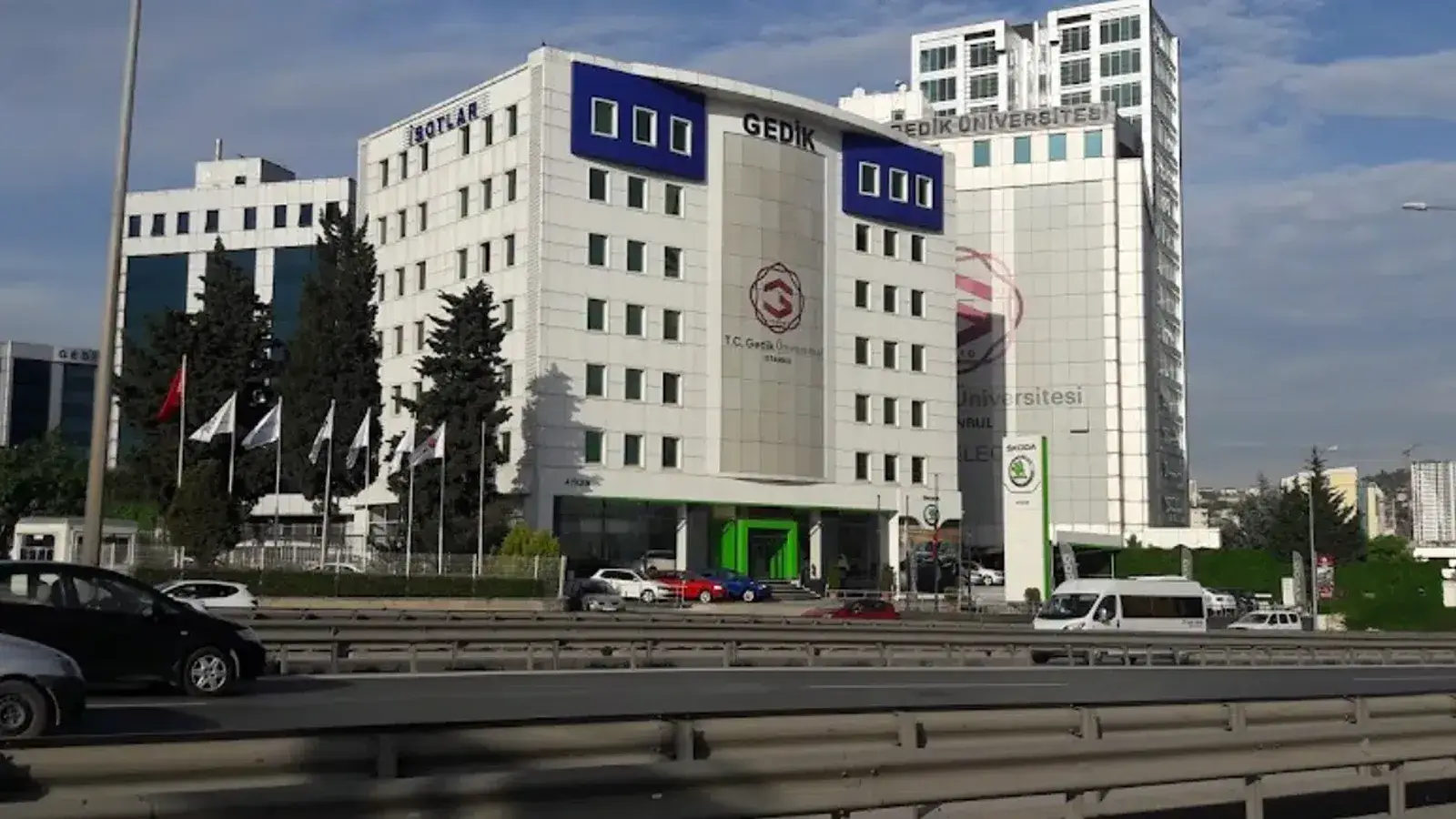
This complete 2026 guide is written for international students considering an associate degree in welding technology in Istanbul. It covers why the program is worth it, how the two-year degree is structured, the language of instruction, what you study, certification, the costs, admission, the option to continue to a bachelor’s, and the careers it leads to. Click any university name to open its full profile, and compare every program in our programs explorer.
Why Study Welding Technology in Istanbul
Istanbul anchors a large industrial economy with major construction, shipbuilding, automotive, energy and manufacturing sectors, all of which depend on skilled welding. Studying welding technology here means training next to the industries that employ welding technicians, in workshops equipped for real fabrication. Istanbul Gedik University in particular has a strong connection to the welding sector, having grown out of a group long associated with welding equipment and technology in Türkiye, which gives the program an unusually industry-rooted character.
The financial and time case is compelling. An associate degree is just two years, so you qualify and enter the workforce quickly, and at around $2,000 a year the cost is very low compared with the earning potential of a skilled, certified welding professional. Welding is also one of the more recession-resistant trades, because infrastructure, energy and manufacturing always need it. For a practically minded student who wants a quick, affordable, employment-focused qualification, welding technology is an efficient and secure path.
Beyond cost and speed, the lifestyle is a genuine draw. Istanbul is a vibrant, student-friendly city with a large international community, a warm climate and excellent transport, and a two-year program lets you experience studying abroad without a long commitment.
Is an Associate Degree in Welding Technology Worth It?
For the right student, very much so. Welding is a global skills shortage, with industries across construction, energy, shipbuilding and manufacturing struggling to find enough qualified, certified welders and welding technicians, which translates into strong demand and good pay. An associate degree gives you not just hands-on welding skill but the broader technical knowledge, the materials science, the inspection and quality concepts, and the supervisory grounding, that distinguishes a welding technician from a basic welder and opens the door to better roles.
It is important to be clear about the level. An associate degree leads into skilled technician, inspector and supervisor-track roles, not the welding-engineer roles that require a bachelor’s or higher. The advantage in the Turkish system is flexibility: associate graduates can sit the vertical transfer examination and continue to a related bachelor’s, which we explain below. So welding technology can be a fast route into a secure trade or a stepping stone toward an engineering degree, making it a flexible, low-cost starting point.
How Long Is the Degree and How Is It Structured?
Welding technology in Türkiye is a two-year associate degree (önlisans), entered after high school. The two years are highly practical, built around workshop training, with the goal of making you job-ready. If you study in Turkish without yet being fluent, a one-year Turkish preparatory year is added first.
What You Study
The curriculum combines hands-on welding with the technical knowledge a welding technician needs. You learn the main welding processes, including arc, MIG/MAG, TIG and gas welding, along with welding metallurgy and materials, understanding how metals behave when joined; welding symbols, drawings and standards; non-destructive testing and inspection, the methods used to check welds for defects; welding defects and quality control; and workshop safety. A large share of the program is spent in the workshop building real skill with real equipment, because competent, certified welding is what employers pay for. Many programs include a workplace internship, and the training prepares you to pursue recognised welding certifications.
Language of Instruction: An Honest Look
In our catalogue, welding technology in Istanbul is taught in Turkish at Istanbul Gedik University, which is typical of vocational associate programs delivered for the local industry. If you already speak Turkish, you can apply directly. If you do not, you would complete a one-year Turkish preparatory year (hazırlık) first, with a placement test to confirm your level. We will be straightforward: the language requirement is the main thing to plan for, and learning Turkish also makes you far more employable on local sites and in local workshops, which is where most associate graduates begin their careers. Our advisors will give you a realistic picture of the time involved.
Plan for Turkish: the program is Turkish-taught — without fluent Turkish you complete a one-year preparatory year (hazırlık) first, and learning the language also makes you far more employable on local sites and in local workshops.
Universities Offering Welding Technology in Istanbul: Tuition
The table below shows the Istanbul university in our catalogue that offers welding technology, with the language of instruction, the level, and annual tuition.
| University | City | Language | Level | Tuition/yr |
|---|---|---|---|---|
| Istanbul Gedik University | Istanbul | Turkish | Associate | $2,000 |
Welding technology is a specialised vocational program, and in Istanbul it is offered at Istanbul Gedik University, which is particularly well known for welding and technical education given its industry heritage. Tuition is per year, so the two-year program costs roughly twice the annual figure, keeping it among the most affordable qualifications available. The full, filterable list of programs and fees is in our programs explorer.
Welding Technology Tuition and Costs (2026)
At around $2,000 a year, welding technology is one of the most affordable programs in our catalogue, reflecting its vocational, two-year nature. Across the full program, the tuition cost is modest, and scholarships and discounts can reduce it further. Always confirm the currency and ask about any workshop or materials fees, which are sometimes charged for consumables. Our scholarships and tuition guide explains how to bring the cost down.
Cost of Living for Students in Istanbul
On top of tuition, budget roughly $400 to $700 a month for living costs in Istanbul, depending on your neighbourhood and lifestyle. Istanbul is the most expensive Turkish city, especially for rent, but it remains far more affordable than most European or North American cities. A realistic monthly budget covers shared or dormitory accommodation, food, transport, study materials and some social life. Many universities offer dormitories at controlled prices, and a student transport card reduces travel costs. Our Study in Türkiye guide breaks down the full cost picture.
Scholarships for Vocational Students
Even on an already-low tuition, savings are available. Many private universities offer merit scholarships based on your high-school grades, and the usual sibling and cash or early-payment discounts apply and can stack. On a two-year associate degree, these can make an already-affordable program very inexpensive, so it is always worth asking what the university can offer. You can see live discounts in our programs explorer, and our advisors know which universities are most generous in a given intake.
Welding Certification
A particular strength of welding as a career is that your employability is closely tied to recognised certifications, which prove your competence in specific processes and positions. A good welding technology program is designed to prepare you for the certifications the industry uses, and holding the right certificates is often what determines which jobs and pay levels are open to you. Because welding standards are international, certifications travel well across borders, which is part of what makes welding such a globally mobile trade. As you study, building a record of certified skills alongside your degree is one of the smartest things you can do for your career, and the industry-rooted programs are well placed to support this.
Tip: recognised certifications are often what determines which jobs and pay levels are open to you — build a record of certified skills alongside the degree.
Continuing to a Bachelor’s: Vertical Transfer (DGS)
An associate degree in Türkiye does not have to be the end of the road. Graduates of a two-year program can sit the vertical transfer examination (DGS) and continue into a related bachelor’s degree, often entering in the third year, which for a welding technology graduate can lead toward an engineering field such as metallurgical and materials or mechanical engineering. This means you can use the associate degree as an affordable, practical first step, gain a qualification and some experience, and then decide whether to continue toward an engineering degree. We can explain how the vertical transfer route works for your situation during a consultation.
Recognition of the Qualification
Every Turkish university is accredited by the national Higher Education Council (YÖK), and the country follows the Bologna Process and the ECTS credit system, so a Turkish associate degree is recognised within that framework. For a trade like welding, the practical skills and certifications you build matter most in employment, and these are directly transferable internationally. If you intend to use the qualification in a specific country, we help you understand that country’s recognition process during the consultation.
Admission Requirements
Admission to an associate program in Istanbul is accessible. Typical requirements for an international applicant are:
- A completed high-school diploma
- A copy of your passport
- Proof of Turkish, or enrolment in the preparatory year, since the program is taught in Turkish
A practical aptitude and an interest in working with your hands and with metal are the main things you need. We review your profile, confirm the program suits your goals, and prepare and submit the application with you.
How to Apply: Timeline
Apply early, because places fill ahead of the Fall intake. Most students begin two to three months before the start. A typical timeline:
- Free consultation, where we review your goals, language plan and budget.
- Choose the program, confirming the language requirement and tuition.
- Apply and receive admission, where we prepare and submit your documents and secure your acceptance letter.
- Visa and travel, where we guide you through the student visa, residence permit and accommodation.
Student Visa and Residence Permit
After you receive your acceptance letter, you apply for a student visa at the Turkish consulate in your home country, providing the acceptance letter, passport, photographs, proof of funds and the visa form. We walk you through the exact list. You enter Türkiye on this visa, then convert your status into a student residence permit (ikamet) after you arrive and enrol, which covers you for the duration of the program. We support you through the residence-permit steps, which involve an online appointment, biometrics and health insurance.
Careers After Welding Technology
An associate degree in welding technology leads into secure, well-paid skilled roles. Graduates work as welding technicians and certified welders across construction, shipbuilding, automotive, energy, pipeline and general manufacturing; as welding inspectors and quality-control technicians, checking welds against standards; and on a path toward welding supervisors and foremen with experience. The skills are in global demand, and because welding is essential to so many industries, the work is steady and the trade is mobile across countries. The degree also positions you well to continue toward an engineering qualification if you choose.
Türkiye’s Construction, Shipbuilding and Manufacturing Industry
A practical reason to study welding technology in Istanbul is the scale of the surrounding industry. Türkiye has major construction, shipbuilding, automotive, energy and manufacturing sectors, with significant activity in and around Istanbul, all of which need skilled welding. For a student, this means the qualification leads into a real and active local job market, and an industry-rooted program with strong workshops and an internship gives you a genuine head start on a first role.
Tips for International Vocational Students
A few pieces of advice make the journey smoother. Take the Turkish language seriously, since the program and most local jobs are in Turkish. Make the most of the workshop time, because certified, confident welding skill is exactly what employers pay for. Pursue recognised certifications alongside the degree, as they directly determine your job and pay options. Use the internship to build experience and contacts. And keep the vertical transfer option in mind if you may want to continue to an engineering degree. Our advisors can help you plan whether to treat the associate degree as a destination or a stepping stone.
Common Mistakes International Students Make
A few avoidable mistakes cause most of the difficulties we see. The biggest is underestimating the language requirement, since the program and most local sites and workshops operate in Turkish, so plan for the preparatory year if you need it. The second is treating welding as a degree to pass rather than a craft to master, and not spending enough time in the workshop building the certified, hands-on skill that actually drives your pay and your job options. A third is neglecting certifications, which in welding are often what open or close specific roles, so pursue them deliberately alongside the degree. And a fourth is leaving the application too late and missing places or scholarships. Each of these is easy to avoid with the right guidance, which is exactly what our free consultation is designed to provide, and it can make the difference between a degree and a genuinely employable, well-certified start to a welding career.
DON’T
- Underestimate the Turkish language requirement
- Treat welding as a degree to pass rather than a craft to master
- Neglect certifications
- Leave the application too late
DO
- Plan for the preparatory year if you need it
- Use workshop time to build certified, hands-on skill
- Pursue certifications deliberately alongside the degree
- Apply early for places and scholarships
Related Programs You Might Consider
If the engineering side of metals and joining draws you, our guide to a master’s in metallurgical and materials engineering in Istanbul covers the science of materials at a higher level, and mechanical engineering is the broad engineering field welding feeds into. The wider programs explorer lets you compare every option, including other technical associate degrees. Our advisors can compare these against your interests, and our guide to choosing the right university and major walks through the decision. If you are curious what another two-year technical program in the city looks like, our guide to the associate in chemistry technology in Istanbul makes a useful comparison.
Frequently Asked Questions
How long is an associate degree in welding technology?
It is a two-year vocational program entered after high school. A one-year Turkish preparatory year is added if you study in Turkish without being fluent.
Is welding technology taught in English in Istanbul?
In our catalogue it is taught in Turkish at Istanbul Gedik University, which is typical of vocational associate programs.
How much does it cost?
Tuition is about $2,000 a year, among the most affordable programs in our catalogue. Scholarships and discounts can reduce it further.
Can I continue to a bachelor’s degree afterwards?
Yes. Associate graduates can sit the vertical transfer examination (DGS) and continue into a related engineering bachelor’s, often entering in the third year.
What jobs can I get with this degree?
Graduates work as welding technicians, certified welders and welding inspectors across construction, shipbuilding, automotive, energy and manufacturing, with a path toward supervisory roles.
Is welding a good career?
Yes. There is a global shortage of qualified welders and welding technicians, so the trade offers strong demand, good pay and international mobility, especially with recognised certifications.
Want help deciding whether an associate degree in welding technology fits your goals, or planning a path on to an engineering degree? Book a free consultation and we will guide you, or compare every option now in our programs explorer.
Have a question about this article?
Our advisors will guide you for free so you can choose the best path.
Free consultationWhy students choose us
Real partnerships, honest pricing, and support that doesn't stop at admission.
Scholarships & smart discounts
We match you with merit scholarships (often 25–100%) plus sibling and early-payment discounts, so you pay the lowest fair price for your program.
Free, end-to-end guidance
As an authorized agent, our advice and application support cost you nothing. We prepare and submit everything for you — no guesswork.
57 partner universities
Direct partnerships across Türkiye and Northern Cyprus with 5,500+ programs. We find the program that fits you, not just any offer.
Transparent, honest fees
Every tuition figure comes straight from our live catalog and is shown upfront. No hidden costs, no surprises before you commit.
No entrance exam needed
Most private universities admit you on your academic record — many fully in English — so you can apply without YÖS or SAT.
With you to visa & arrival
From choosing a program to your student visa, residence permit and settling in, we stay by your side at every step.