
Cyber security is one of the fastest-growing fields in technology, the discipline of protecting systems, networks and data from attack, and a master’s degree in it leads into a profession with a global shortage of qualified people and strong salaries to match. For an international student, Istanbul is an excellent place to study it, because the city is Türkiye’s technology and finance hub and offers several master’s programs, many of them in English. In our catalogue, cyber security at master’s level in Istanbul is offered by several universities, with tuition ranging from roughly $3,900 to $14,000 a year, a fraction of what an equivalent degree costs in the West.
This complete 2026 guide is written for international students who want to study a master’s in cyber security in Istanbul. It covers why the city is a strong choice, how a Turkish master’s is structured, which universities offer the program and at what price, the language of instruction, the admission requirements and visa process, what you study, and the careers the degree opens up. Click any university name to open its full profile, and compare every program in our programs explorer.
Why Study a Master’s in Cyber Security in Istanbul
Istanbul is the commercial, financial and technology centre of Türkiye, home to banks, technology companies, telecoms and a growing start-up scene, all of which need security professionals. Studying cyber security here means learning in a city where the threats and defences you study are part of a real, active digital economy. Türkiye has also invested heavily in its national technology and defence sectors, adding to the demand for skilled security specialists.
The financial case is compelling. A complete master’s in Istanbul costs a fraction of an equivalent degree in Western Europe or North America, while still being delivered in faculties with modern computing and security laboratories. Given that cyber security is one of the highest-demand, best-paid areas of technology worldwide, a low-cost, internationally recognised master’s in the field is an exceptional return on investment.
Beyond cost and opportunity, the lifestyle is a genuine draw. Istanbul is a vibrant, student-friendly city with a large international community, a warm climate and excellent transport, and a master’s lets you specialise and move into senior roles relatively quickly.
Is a Cyber Security Master’s Worth It?
For most international students the answer is a clear yes. Cyber security has one of the widest talent gaps in all of technology, with organisations everywhere struggling to hire enough qualified people, which translates into strong demand, mobility and salaries for graduates. A master’s signals deep, specialised expertise and is often what employers look for in senior security roles, and the field is genuinely global, since the threats and the technologies are universal.
The return on investment is excellent because Istanbul’s tuition is so low compared with the earning potential of the qualification. The main things to plan for are language, which we cover below, and choosing a program with strong practical and laboratory content, since hands-on skills matter enormously in this field. For most graduates, a cyber security master’s from Istanbul is a cost-effective route into one of technology’s most secure and well-paid careers.
How Long Is a Cyber Security Master’s in Türkiye?
A master’s in Türkiye typically takes two years for a thesis program and can be shorter for a non-thesis option. It is entered after a relevant bachelor’s, usually in computer engineering, software engineering, information technology or a related field. The thesis route combines advanced coursework with an original research project and is the usual choice for anyone considering a doctorate or a research-oriented role. The non-thesis route is more coursework- and project-focused and suits those heading into industry practice. Both lead to the same master’s qualification, and the structure mirrors the postgraduate model used across Europe.
What You Study in a Cyber Security Master’s
Cyber security is broad, and a master’s lets you build deep expertise. Common topics include network and system security, the defence of infrastructure; cryptography, the mathematics of secure communication; ethical hacking and penetration testing, attacking systems to find weaknesses before attackers do; digital forensics and incident response; security of web, cloud and mobile applications; malware analysis; and security governance, risk and compliance. Increasingly, programs also cover the security of artificial-intelligence systems and critical infrastructure. The best programs blend theory with extensive hands-on laboratory work in realistic environments, which is what employers value most, and a thesis lets you go deep on one research question.
English-Taught vs Turkish-Taught in Istanbul
Cyber security in Istanbul is well served in English. Several universities in our catalogue offer the master’s fully in English, which means an international student can complete the degree without Turkish, and because the field uses international tools, standards and certifications, an English-taught program keeps you aligned with global practice. It is the route most international students take. If you prefer to study in Turkish, some programs offer that too, with a one-year Turkish preparatory year first if you are not yet fluent. Either way, you graduate with the same master’s qualification, and learning some Turkish helps with daily life and local internships.
Universities Offering Cyber Security in Istanbul: Tuition Compared
The table below lists the Istanbul universities in our catalogue that offer cyber security, with the language of instruction, the levels available, and annual tuition. Click any university to open its full profile and complete program list.
| University | City | Language | Levels | Tuition/yr |
|---|---|---|---|---|
| Bahcesehir University | Istanbul | English | Master | $12,000 to $14,000 |
| Istinye University | Istanbul | English | Master | $8,000 to $8,500 |
| Uskudar University | Istanbul | English / Turkish | Master | $3,900 to $5,700 |
| Istanbul Aydin University | Istanbul | English / Turkish | Associate, Master | $3,000 to $10,000 |
| Istanbul Medipol University | Istanbul | English | Associate | $4,000 |
| Istanbul Topkapi University | Istanbul | Turkish | Associate | $1,750 |
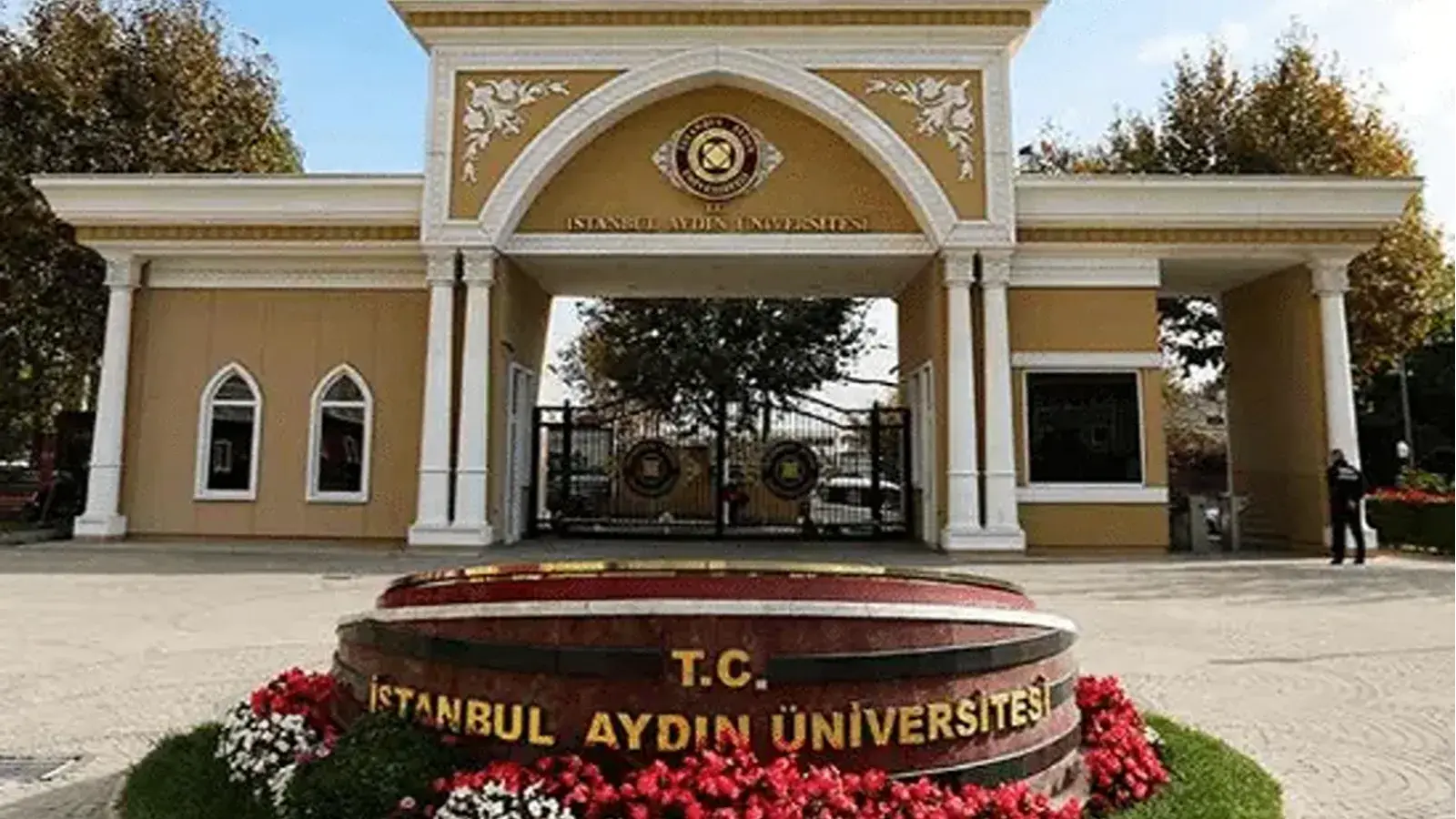
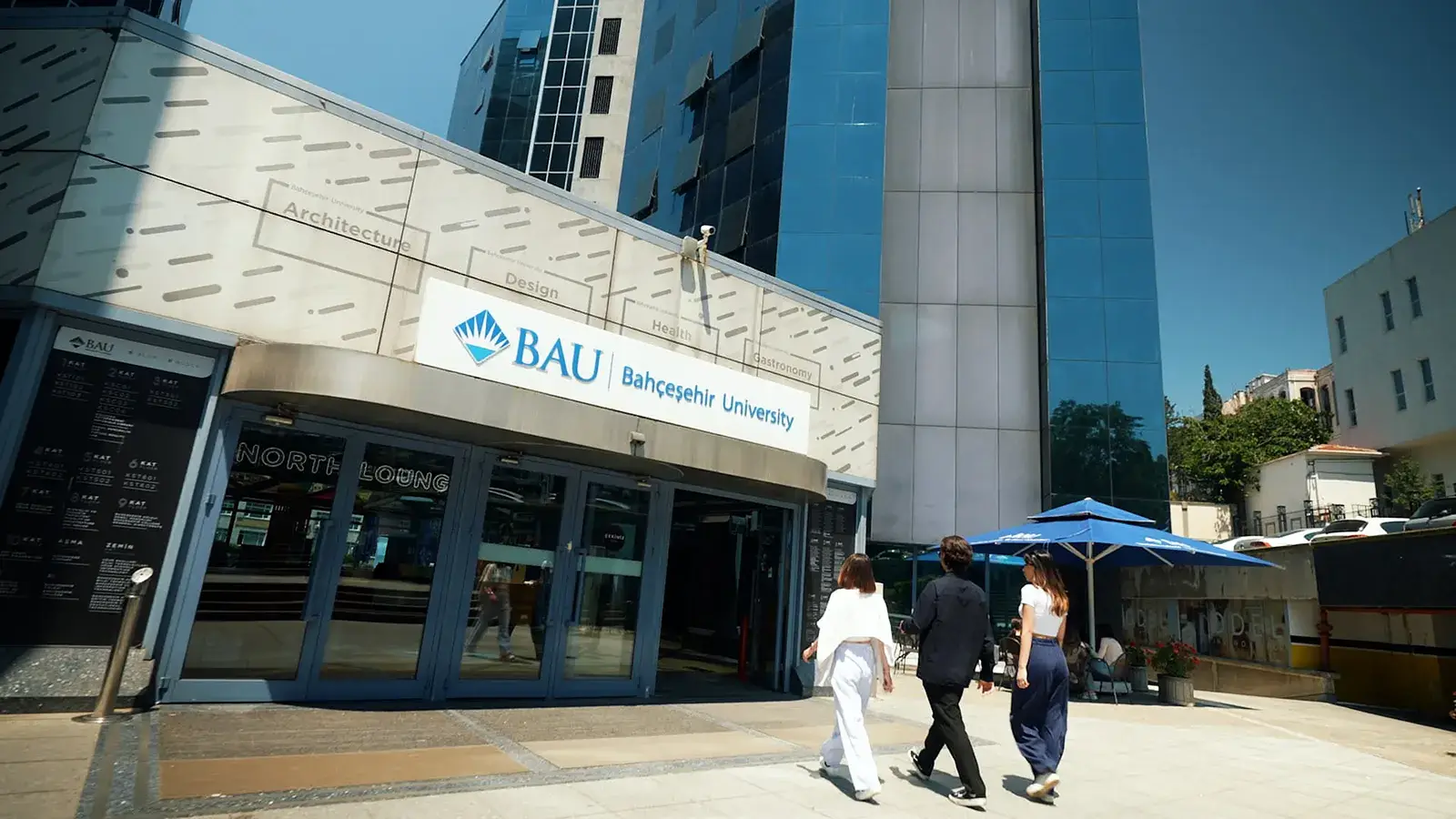
For the master’s, several Istanbul universities offer the program in English, with tuition spanning a wide range so you can find a program at different budget levels. There are also associate-level programs for those wanting a shorter, more applied entry into the field. Tuition is per year, so multiply across the two years of the master’s for the full cost, and confirm the currency. The full, filterable list of fees is in our programs explorer, where you can sort by budget. Cyber security is also offered at master’s level in Antalya, which we can add to your shortlist.
Cyber Security Tuition Fees in Istanbul (2026)
Tuition for a cyber security master’s in Istanbul ranges from about $3,900 a year at the more affordable universities to roughly $14,000 a year at the established private faculties, with most programs sitting in the middle of that range. The figure depends on the university’s reputation, its laboratories and the language of instruction.
Remember that the published number is an annual fee, so a two-year master’s costs roughly twice the annual figure, which still leaves it dramatically cheaper than a comparable degree in the West, and exceptional value given the field’s earning potential. Always confirm the currency and whether the thesis and non-thesis routes are priced differently. Our scholarships and tuition guide explains how to bring the cost down further.
Budget check: the published number is an annual fee — a two-year master's costs roughly twice the annual figure, so confirm the currency and whether the thesis and non-thesis routes are priced differently.
Cost of Living for Students in Istanbul
On top of tuition, budget roughly $400 to $700 a month for living costs in Istanbul, depending on your neighbourhood and lifestyle. Istanbul is the most expensive Turkish city, especially for rent, but it remains far more affordable than most European or North American cities where you might study the same field. A realistic monthly budget covers shared or dormitory accommodation, food, transport, study materials and some social life. A student transport card reduces travel costs, and many universities offer dormitory places at controlled prices. Our Study in Türkiye guide breaks down the full cost picture.
Scholarships for Cyber Security Students
The headline tuition is rarely what students pay. Many private universities offer merit scholarships that reduce postgraduate tuition, awarded on your bachelor’s grades, and at master’s level there are sometimes research and teaching assistantship opportunities that provide a stipend. On top of that, the usual sibling and cash or early-payment discounts apply and can stack with a scholarship. It is always worth asking the department what funding it can offer. You can see live discounts in our programs explorer, and our advisors know which faculties are most active in funding technology postgraduates.

“The headline tuition is rarely what students pay — always ask the department what funding it can offer. We know which faculties are most active in funding technology postgraduates.”
Mary — Türkiye Apply admissions team
Is the Degree Recognised Internationally?
Every Turkish university is accredited by the national Higher Education Council (YÖK), and the country follows the Bologna Process and the ECTS credit system used across Europe, so a Turkish master’s is recognised across the European Higher Education Area and in many countries beyond it. In cyber security specifically, much of your professional credibility also comes from industry certifications, which you can pursue alongside or after the degree, and a good master’s prepares you well for them. If you intend to use the qualification in a specific country, we help you understand that country’s recognition process during the consultation.
Cyber Security Admission Requirements
Admission to a master’s in Türkiye is structured but accessible. Typical requirements for an international applicant are:
- A completed bachelor’s degree in computer engineering, software engineering, information technology or a related field, with a good grade average
- A copy of your passport and your academic transcripts
- For English-taught programs, proof of English such as IELTS or TOEFL, or a pass in the university’s own assessment
- For some programs, a graduate entrance examination score or an interview
A computing or engineering background and some programming experience strengthen your application. We review your profile honestly, tell you which program suits your background and budget, and prepare and submit the application with you.
How to Apply: Timeline
Apply early, because the best programs and any funding fill first. Most students begin two to three months before the intake. A typical timeline:
- Free consultation, where we review your bachelor’s background, language plan and budget.
- Choose university and program, confirming the language, tuition, laboratories and any funding.
- Apply and receive admission, where we prepare and submit your documents and secure your acceptance letter.
- Visa and travel, where we guide you through the student visa, residence permit and accommodation.
Student Visa and Residence Permit
After you receive your acceptance letter, you apply for a student visa at the Turkish consulate in your home country, providing the acceptance letter, passport, photographs, proof of funds and the visa form. We walk you through the exact list. You enter Türkiye on this visa, then convert your status into a student residence permit (ikamet) after you arrive and enrol, which covers you for the duration of the master’s. We support you through the residence-permit steps, which involve an online appointment, biometrics and health insurance.
Careers After a Cyber Security Master’s
A master’s in cyber security opens doors across one of technology’s highest-demand fields. Graduates work as security analysts and engineers, defending organisations’ systems; penetration testers and ethical hackers, probing for weaknesses; security architects, designing secure systems; incident responders and digital forensics specialists; security consultants; and in governance, risk and compliance roles. The field spans every sector, from banking and telecoms to government, healthcare and technology, and the global shortage of skilled professionals means strong demand, mobility and salaries. Because the threats and technologies are universal, the qualification is highly portable across countries.
Türkiye’s Technology and Finance Sector
A practical reason to study cyber security in Istanbul is the concentration of technology and finance in the city. Istanbul anchors Türkiye’s banks, telecoms, technology companies and a growing start-up ecosystem, all of which need security professionals, and the country has invested in its national technology and defence capabilities. For a master’s student, this means your studies connect to a real and active sector that needs exactly the skills you are building, and that internships and first roles after the degree are within reach.
Industry Certifications and Practical Skills
In cyber security, your formal degree and your practical, demonstrable skills work together, and a well-chosen master’s is designed with that in mind. Alongside the academic content, many programs encourage or prepare you for widely recognised industry certifications, which employers value highly and which travel across borders. Just as important is hands-on practice in realistic environments, whether through laboratory exercises, capture-the-flag competitions, or a thesis project that solves a real security problem. As you study, it is worth building a portfolio of practical work, contributing to security communities, and keeping current with the constantly changing threat landscape, since this field rewards continuous learning more than almost any other. A master’s that combines rigorous theory with strong practical and laboratory content gives you the foundation, and the habits you build alongside it carry your career forward.
How to Choose a Cyber Security Program
A short checklist keeps the decision clear. Prioritise the practical and laboratory content, since hands-on skills in realistic environments are what employers value most. Confirm the language, ensuring the program is in English or that you are ready for the preparatory year. Weigh the thesis versus non-thesis routes against your goals. Look at the faculty’s industry links and certification support. And compare the real cost after discounts plus living costs. Our advisors run through exactly this checklist with each student during a free consultation.
📋 Program shortlist — check each before you commit
Related Programs You Might Consider
Many students weighing cyber security also consider neighbouring fields. Software engineering is a strong foundation if you want to build secure systems rather than defend them, management information systems sits at the business-technology boundary, and a master’s in AI and data science appeals if the data and intelligence side draws you. Our advisors can compare the curricula and career outcomes against your interests, and our guide to choosing the right university and major walks through the decision in detail.
Frequently Asked Questions
Can I study a cyber security master’s in English in Istanbul?
Yes. Several universities in our catalogue offer the master’s fully in English, so you do not need Turkish to enrol.
How long is a cyber security master’s in Türkiye?
A thesis master’s usually takes two years, while a non-thesis option can be shorter. It is entered after a relevant bachelor’s.
How much does a cyber security master’s cost in Istanbul?
Tuition ranges from about $3,900 to $14,000 a year, depending on the university and language. Scholarships and discounts can reduce this.
What background do I need for a cyber security master’s?
Most programs expect a bachelor’s in computer engineering, software engineering, information technology or a related field, with some programming experience.
Is a Turkish cyber security master’s recognised internationally?
Yes. Every university is accredited by YÖK and follows the Bologna system, so the degree is recognised across the European Higher Education Area and beyond, and it prepares you for global industry certifications.
What jobs can I get after a cyber security master’s?
Graduates work as security analysts, penetration testers, security architects, incident responders, consultants and in governance and compliance roles across every sector.
Want help finding an English-taught cyber security master’s in Istanbul that fits your background and budget? Book a free consultation and we will shortlist the right programs for you, or compare every option now in our programs explorer.
Have a question about this article?
Our advisors will guide you for free so you can choose the best path.
Free consultationWhy students choose us
Real partnerships, honest pricing, and support that doesn't stop at admission.
Scholarships & smart discounts
We match you with merit scholarships (often 25–100%) plus sibling and early-payment discounts, so you pay the lowest fair price for your program.
Free, end-to-end guidance
As an authorized agent, our advice and application support cost you nothing. We prepare and submit everything for you — no guesswork.
57 partner universities
Direct partnerships across Türkiye and Northern Cyprus with 5,500+ programs. We find the program that fits you, not just any offer.
Transparent, honest fees
Every tuition figure comes straight from our live catalog and is shown upfront. No hidden costs, no surprises before you commit.
No entrance exam needed
Most private universities admit you on your academic record — many fully in English — so you can apply without YÖS or SAT.
With you to visa & arrival
From choosing a program to your student visa, residence permit and settling in, we stay by your side at every step.