Entrepreneurship & Innovation Management Master's in Istanbul (2026)

Some people are drawn to the idea of building something of their own: a company, a product, a service that did not exist before they made it. Others are fascinated by how established organisations stay alive by reinventing themselves, launching new ideas, and refusing to stand still. Entrepreneurship and innovation management is the field that serves both instincts. It is the structured study of how new ventures are created and how innovation is generated, managed, and turned into value, whether inside a startup or a multinational. If you have an idea you want to build, or you want the skills to drive change wherever you work, a master’s in this field gives you a framework, a network, and a credential to do it more deliberately.
In our catalogue, a master’s in entrepreneurship and innovation management is offered across several universities, most of them in Istanbul, with annual tuition ranging from roughly $3,000 to $12,000 depending on the institution and the language of instruction. Importantly, and unlike many specialised fields, this one includes genuine English-taught options as well as Turkish ones, which widens the door considerably for international students. You can explore the full, filterable picture on our programs explorer.
This guide walks through everything a prospective applicant needs to weigh: who the program is for, what you actually study, the language options and what they mean for you, the real costs of studying and living in Istanbul, how recognition works, the admission and visa steps, and where the qualification can take you afterwards. The aim is a realistic picture, not a sales pitch, so you can decide whether this path fits your goals.
Who This Program Is For
A master’s in entrepreneurship and innovation management is a postgraduate program, which means it builds on an existing bachelor’s degree rather than starting from scratch. Entrants come from an unusually wide range of backgrounds, because innovation happens everywhere. You might hold a bachelor’s in business, engineering, design, computer science, economics, the sciences, or the social sciences. What unites successful entrants is not a particular subject but a mindset: curiosity, a tolerance for risk and ambiguity, and an interest in turning ideas into things that work in the real world.
This program suits several kinds of people. It suits aspiring founders who want to build a startup and would rather learn the fundamentals of venture creation, financing, and growth before betting their savings on trial and error. It suits professionals inside established companies who want to drive innovation from within, often called intrapreneurs, and need the tools to do it. It suits people in family businesses preparing to modernise or expand what their families built. It suits engineers, scientists, and designers who have technical ideas but lack the business knowledge to commercialise them. And it suits anyone who wants to work in the wider innovation ecosystem: incubators, accelerators, venture capital, innovation consulting, or corporate research and development.
It is worth being honest about one thing. A master’s in entrepreneurship cannot, by itself, make you a successful entrepreneur, any more than a degree in literature makes you a novelist. Success in starting ventures depends on execution, timing, resilience, and a measure of luck that no classroom can supply. What the program does is dramatically improve your odds: it teaches you the frameworks that help you avoid common failures, connects you to mentors and fellow founders, and gives you a structured environment to test and refine your ideas before the stakes are real. Treated as a launchpad rather than a guarantee, it is genuinely valuable.
“A master's in entrepreneurship will, by itself, make me a successful entrepreneur.”
Success depends on execution, timing, resilience, and a measure of luck no classroom can supply — what the program does is dramatically improve your odds with frameworks, mentors, and a structured environment to test your ideas.
Why Study Entrepreneurship and Innovation in Istanbul
Istanbul is one of the most dynamic entrepreneurial cities in the region, and that makes it a fitting place to study the field. It has a growing startup ecosystem, a large and youthful market, a strategic position between European, Middle Eastern, and Central Asian economies, and a dense concentration of universities, incubators, and investors. For a discipline that thrives on proximity to real ventures and real markets, studying in a living, buzzing commercial city is a genuine advantage over learning the theory in isolation.
The cost picture is another strong draw. Compared with what you would pay for an equivalent entrepreneurship or innovation master’s in Western Europe, North America, or much of the English-speaking world, Istanbul is markedly more affordable, with annual fees in our catalogue starting around $3,000. When you add a cost of living that is lower than most Western capitals, the total cost of the degree becomes realistic for many students who would be priced out elsewhere, which matters especially for aspiring founders who want to conserve capital for their ventures.
There is also the wider experience of living in Istanbul. The city bridges Europe and Asia, carries layers of history, and offers a cultural depth that turns a degree into something larger than a credential. For students from the region, particularly Iran, the Middle East, Central Asia, and the Caucasus, Istanbul combines geographic and cultural proximity with genuine international exposure. You remain close to home while plugging into a large, diverse, and internationally connected business environment, which is exactly the kind of network an entrepreneur benefits from.
Finally, and unusually for the specialised fields we cover, several of the programs in this area are taught in English. That opens the door to international students who do not speak Turkish, and it also reflects the global, English-dominated nature of the startup and innovation world itself. The pitch decks, the investor conversations, the global accelerators, much of this happens in English, so an English-taught program in a vibrant emerging market can be an ideal combination.
Is a Master’s in Entrepreneurship and Innovation Worth It?
Whether a degree is “worth it” depends on your goals, your starting point, and the alternatives in front of you. For entrepreneurship and innovation specifically, the honest answer is that it is worth it for people who genuinely want to build ventures, drive innovation, or work in the innovation ecosystem, and who treat the program as a structured accelerator rather than a magic ticket.
On the positive side, the program delivers several things that are hard to get on your own. It teaches the fundamentals, business models, financing, marketing, product development, scaling, that founders often learn painfully and expensively by failing. It gives you access to a network of mentors, investors, and fellow entrepreneurs that can be worth more than the curriculum itself. It provides a relatively safe environment to test ideas, get feedback, and even launch projects with support. And the credential signals to employers, partners, and investors that you have taken the discipline seriously. For those who want to join the innovation economy rather than found a company directly, the qualification opens roles in incubators, corporates, and consulting.
On the realistic side, weigh a few things. Entrepreneurship is fundamentally about doing, so the program is most valuable to people who will actually act on it, not those collecting credentials. The degree improves your odds but guarantees nothing; ventures still fail, and the program cannot supply the drive and resilience that success demands. And as with any master’s, the value comes from how fully you engage: the connections you build, the projects you launch, the feedback you act on. Treated as a serious launchpad with a clear intent, it is worth it. Treated as a passive credential, it underdelivers. The clearer and more active your plan, the better the return.
How Long Is the Program and How Is It Structured?
A master’s in entrepreneurship and innovation management in Türkiye typically takes about two years of full-time study, though some programs, particularly the more professionally oriented ones, can be completed more quickly, and the exact length depends on the track and whether you write a thesis. There are two common formats.
The thesis track is the more research-intensive option, combining taught coursework with a substantial research project written up and defended as a master’s thesis. This suits people who intend to continue to a PhD or who want to research innovation, entrepreneurship policy, or related topics rigorously. The non-thesis track is more coursework and project focused, often built around developing a real business plan or venture, and it tends to be the more popular choice for aspiring founders and working professionals who want applied skills and a faster route to the credential. Because this field is so practical, many programs lean heavily on projects, case studies, and real venture development regardless of track.
A distinctive feature of entrepreneurship programs is how much learning happens outside the traditional lecture. Expect workshops, pitch sessions, mentorship, links to incubators and accelerators, and often the chance to develop your own venture idea as part of your studies. Some universities run their own startup support structures, and proximity to these can matter as much as the formal curriculum. When you compare programs, look closely at what practical support and ecosystem connections each one offers, because in this field that is often where the real value lies. Note too that one of the options in our catalogue is in Ankara rather than Istanbul, which we flag below for completeness.
What You Study
The exact curriculum varies by university, but a master’s in entrepreneurship and innovation management covers a recognisable core that blends business fundamentals with the specific challenges of new ventures and innovation. The subjects below appear, in some form, across most programs.
Entrepreneurship and venture creation is the heart of the field: how opportunities are identified, how business ideas are evaluated, and how new ventures are designed, launched, and grown from nothing into functioning organisations.
Business models and strategy teach you how a venture actually makes and captures value, how to design and test a business model, and how to position a young company in a competitive market.
Innovation management examines how organisations generate, select, and implement new ideas, how to build a culture that supports innovation, and how to manage the difficult journey from invention to commercial reality.
Entrepreneurial finance and funding covers one of the most critical and least understood aspects of building a venture: how startups are financed, how to approach investors, how venture capital and angel investment work, and how to value and fund a young company.
Marketing and growth focus on how new ventures find and keep customers, build a brand from scratch, and scale, areas where startups face very different challenges from established firms.
Product development and design thinking teach structured approaches to creating products and services that people actually want, including user-centred design, prototyping, and iterative development.
Technology and digital transformation address how technology drives modern innovation and how both startups and established companies must adapt to digital change to survive and compete.
The capstone, business plan, or thesis brings everything together. Many programs culminate in a developed venture concept, a full business plan, or a research thesis, giving you a concrete output you can carry into the real world. If you are interested in the broader management context, our guide to business and management studies in Turkey is a useful companion, and if the people side of organisations draws you, our guide to organizational behavior in Istanbul covers a closely related field.
Language of Instruction: English and Turkish Options
This is one area where entrepreneurship and innovation management is more flexible than many specialised fields, and that is genuinely good news for international students. In our catalogue, programs in this area are offered in both English and Turkish, depending on the university, which gives you a real choice rather than a single constraint.
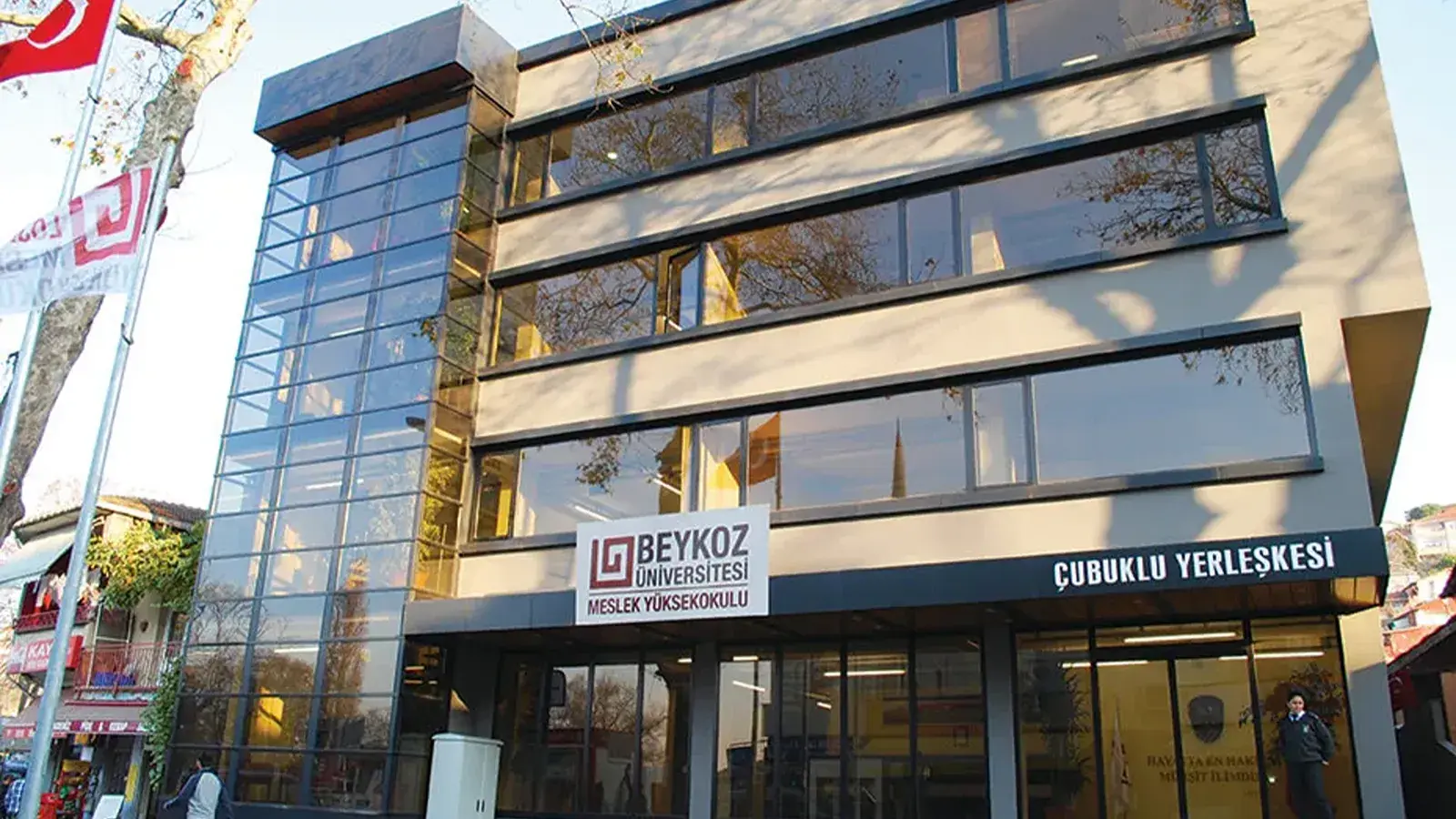
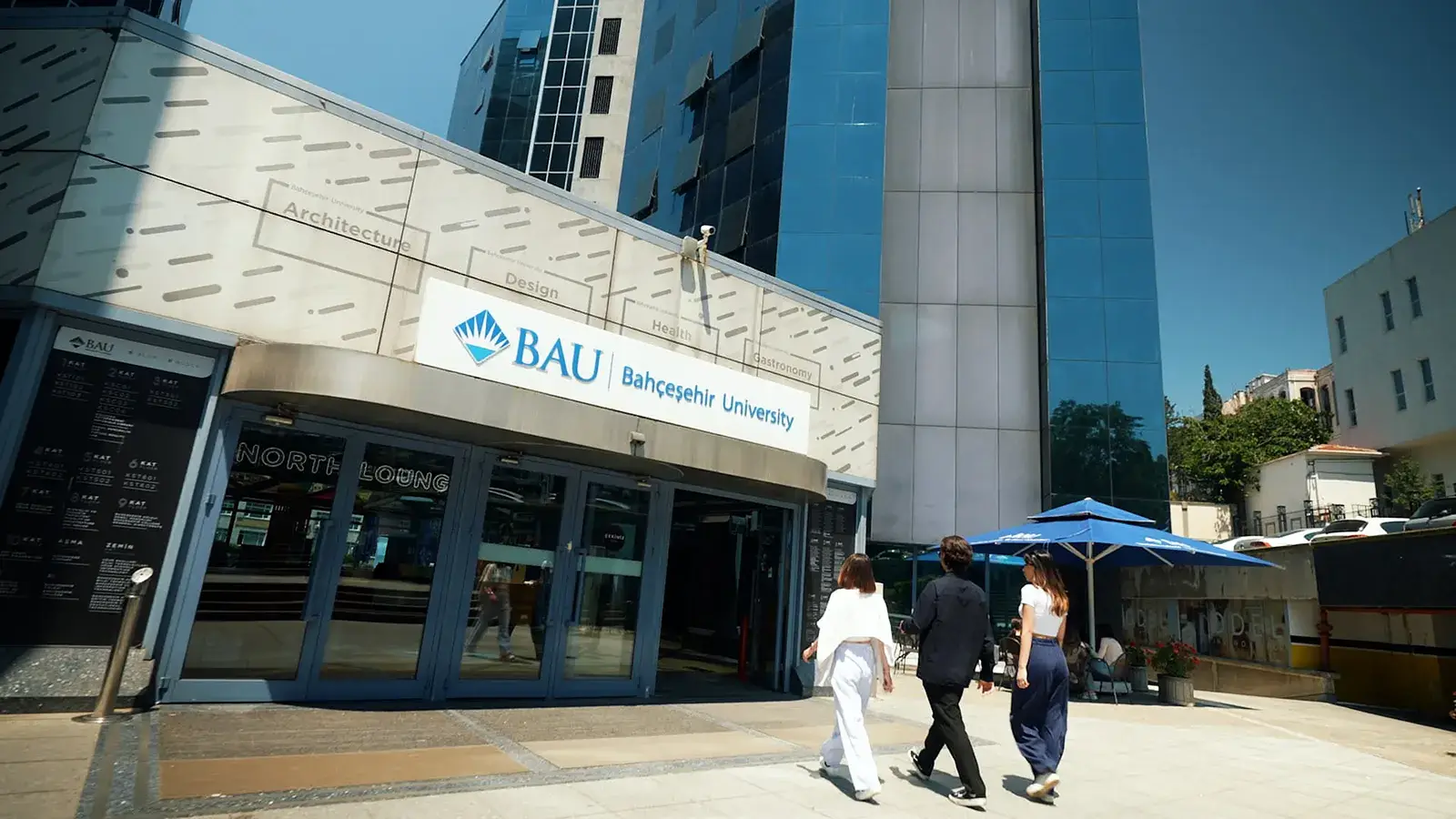
Several universities offer the master’s in English, including Bahcesehir University, Beykoz University, and Istanbul Aydin University. For students who do not speak Turkish, these English-taught options remove the single biggest barrier that affects most other specialised programs, and they align well with the international, English-dominated nature of the global startup world. If you intend to operate internationally, raise funding from global investors, or build a venture with cross-border ambitions, studying in English is both convenient and arguably more relevant.
Other programs are taught in Turkish, including options at Istanbul Okan University, Istanbul Kultur University, and Istanbul Health and Technology University. These suit students who already speak Turkish or who intend to build ventures primarily in the Turkish market, where doing business is conducted in Turkish. For Turkish-taught programs, the usual advice applies: if your Turkish is not strong, plan to reach roughly a B2 to C1 level, possibly through a one-year preparatory program, before you can study comfortably.
🌍Choose English-taught if…
- You do not speak Turkish and want to study now
- You intend to operate internationally or raise funding from global investors
🇹🇷Choose Turkish-taught if…
- You already speak Turkish or plan to reach B2–C1 via a preparatory year
- You intend to build ventures primarily in the Turkish market
The practical takeaway is that you should decide early which language suits your goals and your existing skills, and then filter your search accordingly. If you want to study in English, the options exist and are worth seeking out specifically. If you are comfortable in Turkish or want to embed yourself in the local market, the Turkish-taught programs are open to you. Either way, confirm the exact language of any specific program directly, since universities sometimes offer both tracks. If you would like help matching a program to your language profile, you can contact us and we will point you in the right direction.
Universities Offering Entrepreneurship and Innovation: Tuition Compared
Here are the universities in our catalogue that offer entrepreneurship and innovation management, with their levels, language, and tuition. Note the mix of English and Turkish options, and that one program is in Ankara.
| University | City | Language | Levels | Tuition/yr |
|---|---|---|---|---|
| Bahcesehir University | Istanbul | English | Master | $12,000 |
| Beykoz University | Istanbul | English | Master | $3,000 |
| Istanbul Aydin University | Istanbul | English | Master | $12,000 |
| Istanbul Okan University | Istanbul | Turkish | Master | $3,500 to $4,500 (whole program) |
| Istanbul Health and Technology University | Istanbul | Turkish | Bachelor | $2,200 |
| Istanbul Kultur University | Istanbul | Turkish | Bachelor | $4,250 |
| OSTIM Technical University | Ankara | Turkish | Master | $3,000 |
| Ozyegin University | Istanbul | English | Bachelor | $22,000 |
Several universities offer this field, with options spanning both Istanbul and Ankara, both English and Turkish, and both bachelor’s and master’s levels. For the master’s specifically, Beykoz University offers an English-taught option at the very affordable end, around $3,000 a year, while Bahcesehir University and Istanbul Aydin University offer English-taught master’s at the higher end, around $12,000. Istanbul Okan University offers a Turkish-taught master’s at roughly $3,500 to $4,500 for the whole program, and OSTIM Technical University in Ankara offers a Turkish-taught master’s at around $3,000. There are also bachelor’s-level options for those at an earlier stage. The full, filterable list, where you can compare these and check the latest details, is in the programs explorer.
Tuition Fees in Istanbul (2026)
For the 2026 intake, tuition for a master’s in entrepreneurship and innovation in our catalogue ranges from about $3,000 to $12,000 per year, a wider band than many fields, driven largely by the difference between universities and between English and Turkish programs. At the affordable end, Beykoz University offers an English-taught master’s around $3,000 and Istanbul Okan University a Turkish-taught one around $3,500 to $4,500 for the whole program. At the higher end, Bahcesehir University and Istanbul Aydin University offer English-taught master’s around $12,000. The bachelor’s options range more widely, up to around $22,000 at Ozyegin University, an English-medium institution with a strong reputation.
A few things are worth understanding about these numbers. First, they are annual figures, so a two-year master’s costs roughly twice the yearly amount, before living expenses. Second, tuition at these private and foundation universities can change from year to year, and the exact fee sometimes depends on the program and on any institutional discounts. Always confirm the current figure directly before committing. Third, the wide range here means it pays to think about value rather than headline price: a more expensive program may offer a stronger ecosystem, better mentorship, and a more valuable network, while a cheaper one may suit a founder determined to conserve capital. Weigh what each offers against its cost.
For a fuller picture of how fees and funding work across Turkish universities, including the kinds of discounts and payment arrangements that are sometimes available, see our dedicated guide to scholarships and tuition. It is worth reading before you make a final decision, because the headline tuition is not always the whole story.
Cost of Living for Students in Istanbul
Tuition is only one part of your budget. As a rough guide, a student in Istanbul can expect to spend somewhere between $400 and $700 a month on living costs, depending heavily on lifestyle and, above all, on accommodation. Over a year, that works out to roughly $4,800 to $8,400, which deserves careful planning, especially for aspiring founders who want to keep their personal burn rate low while they build.
Accommodation is the biggest single variable. University dormitories and shared flats are the most economical options, while a private apartment in a central, sought-after neighbourhood costs considerably more. Where you live also affects your transport costs and daily convenience, so it is worth thinking about the trade-off between rent and commute, and about proximity to the city’s startup hubs and coworking districts if networking matters to you. Food is reasonable if you cook and shop at local markets, and more expensive if you eat out frequently. Public transport in Istanbul is extensive and student discounts help keep costs down, but the city is large.
Other regular expenses include health insurance, which is required for your residence permit, mobile and internet, books, and personal spending. None of these is individually large, but together they add up, so build them into your plan. The overall message is that Istanbul is affordable by the standards of major international cities, but “affordable” still means budgeting carefully and being realistic about how your choices, especially housing, drive your monthly total.
Scholarships and Funding
Funding for postgraduate study in Türkiye comes from several directions, and it is worth understanding the landscape before you assume you will pay full price. The most prominent government scheme is Türkiye Bürsları, the national scholarship program, which is competitive and covers tuition along with a stipend and other benefits for successful applicants. It is well worth investigating if your profile is strong, though you should not count on it, given how competitive it is.
Beyond the national scheme, individual private and foundation universities frequently offer their own tuition discounts and merit-based reductions. These vary by institution and year, and they are often conditional on your academic record, so it is always worth asking the university directly what is available for your specific program. Some entrepreneurship-focused universities also have links to startup competitions, grants, and seed funding that, while separate from tuition support, can help fund a venture you develop during your studies.
Founder tip: some entrepreneurship-focused universities have links to startup competitions, grants, and seed funding that can help fund a venture you develop during your studies — ask about these alongside tuition discounts.
For a thorough overview of the options, eligibility, and how to approach funding strategically, read our guide to scholarships and tuition. And if you would like personalised help identifying which funding routes realistically fit your background, you can book a free consultation and we will talk it through honestly.
Recognition and Accreditation: An Honest Look
Recognition is a question every serious applicant should ask, and it deserves an honest answer. The universities in our catalogue operate within the Turkish higher education system and are recognised by YÖK, the Council of Higher Education, which governs and accredits universities in Türkiye. A degree from a YÖK-recognised university is a legitimate, accredited qualification within Türkiye and is widely recognised internationally as a Turkish higher education degree.
For entrepreneurship and innovation management specifically, recognition is generally less of a concern than in regulated professions, because this is a business and management field rather than a licensed practice like medicine or law. There is no separate professional licence to practise entrepreneurship; what matters is the knowledge, the network, and what you build. In a sense, the ultimate validation of an entrepreneurship education is not a regulator’s stamp but a working venture or a successful career in the innovation economy. That makes the qualification relatively portable, and the English-taught options in particular align well with the international, borderless nature of the startup world.
That said, an honest caveat applies. As with any business degree, the reputation of the specific university matters to some employers and partners, especially for competitive roles in consulting, venture capital, or large corporates. It is worth understanding where an institution stands and, more importantly, pairing the degree with tangible achievements: a venture you launched, a project you led, an internship in an accelerator. In entrepreneurship above all fields, what you have actually done tends to speak louder than where you studied, so treat the degree as a platform for action rather than an end in itself.
Admission Requirements
Admission requirements vary by university, but for a master’s in entrepreneurship and innovation management you can expect most of the following. First, you need a bachelor’s degree, and because the field is genuinely interdisciplinary, programs accept graduates from a wide range of backgrounds, from business and engineering to design, science, and the social sciences. This openness is one of the field’s attractions for people whose first degree was in something quite different.
You will need to submit your academic transcripts and your degree certificate, and a reasonable grade point average strengthens your application. For English-taught programs, you will typically need to demonstrate English proficiency, often through a test such as IELTS or TOEFL, unless you qualify for an exemption. For Turkish-taught programs, you should expect to demonstrate Turkish proficiency or complete a preparatory year. Some entrepreneurship programs also value evidence of initiative, a business idea, prior venture experience, relevant work, or a strong statement of purpose explaining what you want to build, since motivation matters in this field.
Other common elements include a copy of your passport, passport-style photographs, and sometimes letters of recommendation or an interview. Requirements differ between institutions and can change between intakes, so always confirm the current, exact list with the specific university or with us before you assemble your file. If you would like help checking your eligibility or strengthening your application, get in touch and we will give you an honest assessment.
How to Apply: Timeline
While exact dates vary, a realistic timeline for a master’s intake looks something like this. Start your research roughly nine to twelve months before you intend to begin. This is when you compare programs, decide between English and Turkish options, weigh the universities in our catalogue, and, if needed, plan for any language preparation, which affects your whole schedule.
Six to nine months before you start, prepare your documents. Gather and, where required, translate and officially certify your transcripts and degree certificate, sit any language test you need, sort out your passport, and write your statement of purpose, which carries real weight in this field. If you are applying for scholarships such as Türkiye Bürsları, note that these often have their own earlier deadlines, so check them well in advance and do not let them slip past.
Three to six months before, submit your applications. Many private and foundation universities have rolling or multiple intake windows, but applying earlier gives you more time for the visa and residence steps and avoids a last-minute scramble. Once you receive an offer and an acceptance letter, you move into the visa and travel phase, which we cover next. Throughout, keep digital and physical copies of everything, and confirm each requirement directly with the university, because details change. If managing this feels overwhelming, that is exactly the kind of thing we help with, so reach out and we can guide you step by step.
Student Visa and Residence Permit
Once you have an official acceptance letter from a Turkish university, the visa and residence process follows a well-trodden path, but it requires attention to detail and timing. The first step for most international students is to apply for a student visa at the Turkish embassy or consulate in your home country. You generally cannot enter Türkiye to study long-term on a tourist arrangement and then convert it, so the student visa from your home country is the proper route. You will need your acceptance letter, a valid passport, proof of funds, and the other documents the consulate specifies.
After you arrive in Türkiye and settle in, you must apply for a residence permit, the ikamet, within the period set by the authorities. This is what legalises your stay for the duration of your studies. The application involves registering with the migration authority, providing your acceptance and enrolment documents, proof of accommodation, valid health insurance, and the relevant fees. Your university’s international student office is usually a major help here, and they handle these applications routinely for incoming students.
The two pieces of advice that matter most are to start early and to keep your documents in order. Visa and residence processes can take time, and missing a deadline or a required document causes avoidable stress. Keep multiple copies of everything, follow the instructions your university gives you, and ask for help when you are unsure. If you want a clearer overview of what studying in Türkiye involves end to end, our study in Turkey guide pulls the practical pieces together in one place.
Careers After a Master’s in Entrepreneurship and Innovation
A master’s in entrepreneurship and innovation management opens onto an unusually broad set of paths, which is part of its appeal. The most obvious is founding your own venture: many graduates use the program as a structured runway to launch a startup, having developed and tested their idea, built a network, and learned the fundamentals during their studies. Even those who do not launch immediately often carry an idea forward later, equipped to do it more skilfully.
Beyond founding companies, the qualification supports roles across the innovation economy. Large organisations increasingly hire for innovation, business development, and corporate venturing, seeking people who can drive new initiatives from inside, the so-called intrapreneurs. The startup ecosystem itself offers roles in incubators and accelerators, in venture capital and investment, and in the support organisations that help young companies grow. Innovation consulting, product management, and business development are further destinations, all of them valuing the blend of creative and commercial thinking the program builds.
The field is also well suited to people joining or modernising family businesses, a significant part of the economy in Türkiye and across the region. And for those drawn to research and policy, the master’s can lead to a PhD and to work on innovation policy, entrepreneurship research, or economic development. The common thread is that this qualification builds a versatile, future-oriented skill set, the ability to spot opportunities, manage uncertainty, and turn ideas into value, that is increasingly prized across every sector. As always, the specific opportunities open to you also depend on where you intend to work, the language you command, and, above all, what you actually build and do.
How to Choose the Right Program
With several universities offering this field, choosing well means matching a program to your specific goals. Start with language: decide whether you want or need an English-taught program or are happy in Turkish, and filter accordingly, since this single decision narrows the field substantially. If you do not speak Turkish and want to study now, the English-taught master’s options at Bahcesehir, Beykoz, and Istanbul Aydin are the natural focus.
Next, weigh the ecosystem, which in this field matters as much as the curriculum. Look at what practical support each program offers: links to incubators and accelerators, mentorship, pitch opportunities, startup competitions, and connections to investors. A program embedded in a strong entrepreneurial ecosystem can be worth a great deal more than its formal syllabus suggests, so investigate this carefully and, if you can, talk to current students or alumni about what the program actually delivered for them.
Then consider the practical factors: total cost including living expenses, whether you want the master’s or, if you are at an earlier stage, a bachelor’s, the campus location and whether it is convenient for you, and the balance of theory and practice that suits your learning style. Weigh value rather than price alone, since the range here is wide. If you would like a second opinion that weighs all of this against your particular situation and ambitions, that is precisely what we do, so book a free consultation.
Common Mistakes Applicants Make
A few recurring mistakes are worth flagging so you can avoid them. The first is treating the degree as a substitute for action. Entrepreneurship is learned largely by doing, and the program is most valuable to people who actively build, test, and pursue ideas, not those who expect a credential alone to make them entrepreneurs. Engage fully, launch projects, and use the ecosystem, or much of the value is left on the table.
A second mistake is ignoring the language choice. Because this field uniquely offers both English and Turkish programs, applicants sometimes apply without checking which language a specific program uses, then discover a mismatch. Decide your language early and confirm it for each program. A third mistake is choosing on price alone in a field where the value of the network and ecosystem varies widely between institutions; a cheaper program with weak connections may serve you worse than a pricier one with a thriving startup community, or vice versa, depending on your goals.
DON’T
- Treat the degree as a substitute for action
- Apply without checking which language a specific program uses
- Choose on price alone — network and ecosystem value varies widely
- Leave applications and scholarship deadlines too late
DO
- Actively build, test, and pursue ideas during the program
- Decide your language early and confirm it for each program
- Weigh value — mentorship, ecosystem, network — against cost
- Confirm current fees and details directly with the university
Other frequent missteps include budgeting only for tuition and forgetting living costs, leaving applications and especially scholarship deadlines too late, and underselling yourself in the statement of purpose, which matters more in this field than in many others. Finally, many applicants fail to confirm current details, including the exact language and structure, directly with the university. Fees, requirements, and intake dates change, so always verify before you commit. Avoiding these mistakes will save you time, money, and disappointment.
Related Programs You Might Consider
If you are weighing entrepreneurship and innovation against neighbouring fields, several of our other guides may help you compare. If you want a broader management foundation, of which entrepreneurship is one strand, our guide to business and management studies in Turkey is the natural companion. If the people and leadership side of organisations draws you, our guide to organizational behavior in Istanbul covers a closely related field. Istanbul’s master’s landscape stretches to far more specialised communication degrees as well — our guide to the master’s in communication in religious services is one striking example.
If your interest leans toward how organisations reach and persuade customers, our guide to the master’s in marketing in Istanbul is worth a look, and if you have a technical bent and want to understand the engineering side of innovation, our guides to fields like studying computer engineering in Turkey may be useful. Reading across these guides can help you confirm that entrepreneurship and innovation really is the right fit, or point you toward a neighbouring field that suits you better. The programs explorer lets you compare all of these side by side.
Frequently Asked Questions
Can I study entrepreneurship in English in Istanbul?
Yes. Unlike many specialised fields, entrepreneurship and innovation management is offered in English at several universities in our catalogue, including Bahcesehir University, Beykoz University, and Istanbul Aydin University. This makes the field genuinely accessible to international students who do not speak Turkish, and it aligns well with the English-dominated global startup world. Turkish-taught options also exist for those who prefer them.
Do I need a business background to apply?
No. The field is deliberately interdisciplinary, and programs accept graduates from a wide range of backgrounds, including engineering, design, science, and the social sciences, not just business. What matters is your motivation and your interest in building and innovating. A non-business background can even be an advantage if it gives you domain knowledge to build a venture around.
Will this degree make me a successful entrepreneur?
Not on its own. No degree can guarantee entrepreneurial success, which depends on execution, timing, resilience, and some luck. What the program does is significantly improve your odds by teaching the fundamentals, connecting you to mentors and investors, and giving you a structured environment to develop and test ideas. Treat it as a launchpad, not a guarantee.
How much does it cost?
In our catalogue, master’s tuition ranges from about $3,000 to $12,000 a year, with the variation driven mainly by the university and by English versus Turkish instruction. Beykoz University offers an affordable English-taught master’s around $3,000, while Bahcesehir and Istanbul Aydin sit around $12,000. On top of tuition, budget around $400 to $700 a month for living costs in Istanbul.
How long does the master’s take?
About two years of full-time study, though some professionally oriented or non-thesis programs can be shorter. The thesis track suits those aiming at a PhD or research, while the non-thesis, project-based track is popular with aspiring founders and working professionals who want applied skills and a faster route.
What can I do after graduating?
Paths include founding your own startup, working in innovation and business development inside larger companies, joining incubators, accelerators, or venture capital, innovation consulting, product management, and modernising or growing a family business. The skill set is versatile and increasingly valued across sectors. Those drawn to research can pursue a PhD and work on innovation policy or entrepreneurship research.
Is there an option in Ankara too?
Yes. While most options in our catalogue are in Istanbul, OSTIM Technical University in Ankara offers a Turkish-taught master’s in the field at around $3,000 a year. If you are open to studying in Ankara, it is worth considering alongside the Istanbul programs. Compare all of them in the programs explorer.
Choosing where and how to pursue a master’s in entrepreneurship and innovation management is a significant decision, and you do not have to make it alone. If you would like honest, personalised guidance on which program fits your background, budget, language, and ambitions, book a free consultation. You can also browse and compare every option, including the universities discussed here, in our programs explorer.
Have a question about this article?
Our advisors will guide you for free so you can choose the best path.
Free consultationWhy students choose us
Real partnerships, honest pricing, and support that doesn't stop at admission.
Scholarships & smart discounts
We match you with merit scholarships (often 25–100%) plus sibling and early-payment discounts, so you pay the lowest fair price for your program.
Free, end-to-end guidance
As an authorized agent, our advice and application support cost you nothing. We prepare and submit everything for you — no guesswork.
57 partner universities
Direct partnerships across Türkiye and Northern Cyprus with 5,500+ programs. We find the program that fits you, not just any offer.
Transparent, honest fees
Every tuition figure comes straight from our live catalog and is shown upfront. No hidden costs, no surprises before you commit.
No entrance exam needed
Most private universities admit you on your academic record — many fully in English — so you can apply without YÖS or SAT.
With you to visa & arrival
From choosing a program to your student visa, residence permit and settling in, we stay by your side at every step.