Can Non-Native Speakers Study Turkish Education in Istanbul? (2026)
Turkish is spoken by more than eighty million people in Türkiye and by millions more across Central Asia, the Balkans, Europe, and beyond, and interest in learning it has grown steadily as Türkiye’s cultural, economic, and educational reach has expanded. Behind every well-taught Turkish lesson, whether to a child in a Turkish school or to a foreigner learning the language abroad, stands someone trained to teach it. Turkish education, the field that prepares teachers of the Turkish language and its literature, and increasingly teachers of Turkish to speakers of other languages, is the discipline that makes that possible. If you are passionate about the Turkish language and want to teach it, this field offers a clear and meaningful path. Istanbul, the cultural heart of the Turkish-speaking world, is a fitting place to study it.
In our catalogue, Turkish education in Istanbul is offered at both bachelor’s and master’s level, with annual tuition ranging from roughly $3,500 to $9,000 depending on the university and level. These programs are, by their nature, Turkish-taught, and the field is intimately bound to the Turkish language itself, which shapes who it suits. You can explore the complete, filterable picture, including related options in other locations, on our programs explorer.
This guide walks through everything a prospective student needs to weigh: who the program is for, what you actually study, the honest reality of the language, the real costs of studying and living in Istanbul, how teacher licensing and recognition work, the admission and visa steps, and where the qualification can take you afterwards. The aim is a realistic picture, not a sales pitch, so you can decide whether this path fits your goals.
Who This Program Is For
Turkish education covers a few related paths, and which suits you depends on your goals. The most established is training to teach Turkish language and literature to native speakers, typically in Turkish secondary schools, which is the focus of the traditional bachelor’s degree. A second, increasingly important strand is teaching Turkish as a foreign language, preparing teachers to teach Turkish to people who do not speak it natively, a field that has grown with global interest in the language. A master’s builds on an existing background and suits those who want to specialise, advance, or research.
This program suits several kinds of people. It suits aspiring teachers who want to teach Turkish language and literature in schools. It suits people, including non-native speakers with strong Turkish, who are drawn to teaching Turkish as a foreign language, whether in Türkiye or in Turkish cultural and educational institutions abroad. It suits practising teachers who want to deepen their expertise or advance through a master’s. And it suits those interested in research on language, literature, and language teaching, for whom the master’s leads toward a PhD and an academic career.
It is worth being honest about the central feature of this field: it is, fundamentally, about the Turkish language. Success requires not just fluency but a deep, scholarly command of Turkish, its grammar, its literature, and its structure, since you will be teaching the language itself, often to people learning it. This makes the field most suited to native Turkish speakers or to non-native speakers who have reached an exceptionally high level. For those who love the language and have or can build that command, it is a rewarding path; for those without a strong Turkish foundation, it is realistically out of reach, and we say so honestly below.
Why Study Turkish Education in Istanbul
Istanbul is the cultural and intellectual capital of the Turkish-speaking world, home to a rich literary heritage, major universities with strong departments of Turkish language and literature, and a deep tradition of scholarship in the field. For anyone studying to teach Turkish, being immersed in the city where so much of Turkish culture and literature lives is a genuine advantage, surrounding you with the language in its fullest expression.
The cost picture is favourable. Compared with teacher education in Western countries, studying in Istanbul is markedly more affordable, with fees in our catalogue starting around $3,500 for a bachelor’s. When you add a cost of living lower than most Western capitals, the total cost of the degree becomes manageable. For a profession that is rewarding but not among the highest paid, keeping the cost of qualifying reasonable matters.
There is also the wider experience of living in Istanbul. The city bridges Europe and Asia, carries layers of history, and offers a cultural depth that turns a degree into something larger than a credential. For students with ties to Türkiye or to Turkish-speaking communities, or those drawn to the language and its culture, Istanbul combines cultural richness with a respected academic environment. You study the language in the place where it lives most vividly.
Finally, the growing global interest in learning Turkish, driven by Türkiye’s expanding cultural, educational, and economic presence, has increased demand for qualified teachers of Turkish as a foreign language. Türkiye supports the teaching of its language internationally through cultural institutions, and qualified teachers are valued both at home and abroad. Studying the field in Istanbul positions you at the centre of this expanding world, with access to the expertise and institutions that lead it.
Is a Degree in Turkish Education Worth It?
Whether a degree is “worth it” depends on your goals, your starting point, and the alternatives. For Turkish education specifically, it is worth it for people with a genuine love of and command of the Turkish language who want to teach it, and who understand the profession they are entering.
On the positive side, teaching is a stable, meaningful profession, and there is steady demand for teachers of Turkish language and literature in schools, as well as growing demand for teachers of Turkish as a foreign language as global interest rises. The degree gives you both deep subject knowledge and the pedagogical skills to teach effectively, and a master’s can open advancement, specialisation, and research paths. The affordability of studying in Istanbul improves the return.
On the realistic side, weigh several things. Teaching is rewarding but not generally high-paying. The field is entirely bound to the Turkish language, so it suits only those with a strong command of it. And, as with all teaching, it is a licensed profession in formal school systems, with the specific licensing and employment paths depending on where you intend to work. Treated as preparation for a career teaching Turkish, by someone equipped to do so, it is genuinely worth it. Without that language foundation and clarity of purpose, it is not the right path. The clearer your command of Turkish and your goal, the better the return.
How Long Is the Program and How Is It Structured?
The structure depends on level. A bachelor’s in Turkish language and literature teaching in Türkiye is typically a four-year program, combining the study of Turkish language and literature with pedagogy and practical teaching experience in schools. It prepares you both as a subject expert and as a teacher, with school placements forming a central, practical part of the training.
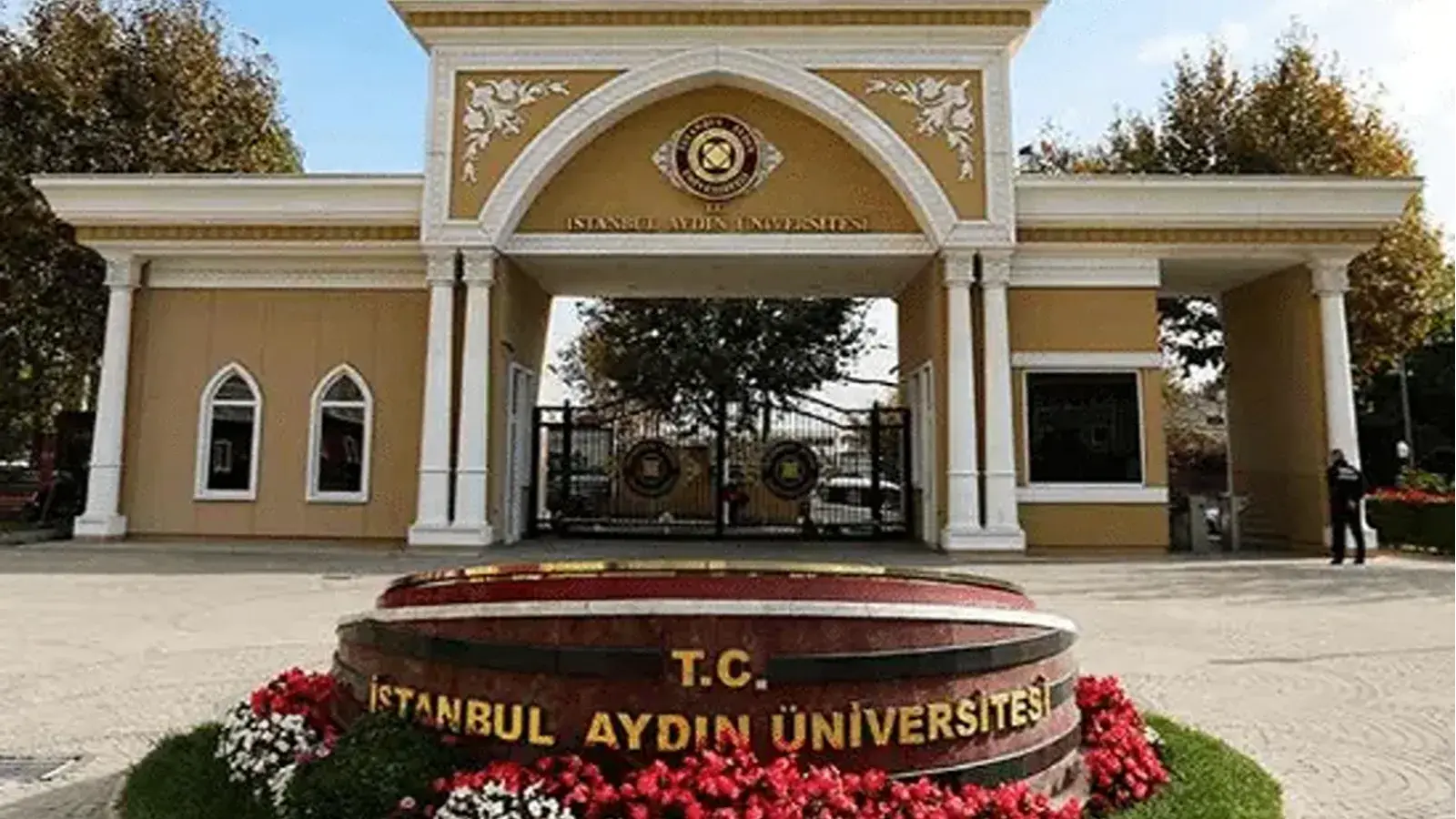
A master’s typically takes about two years of full-time study, depending on the university and on whether you choose a thesis or non-thesis track. The thesis track combines coursework with a research project written up as a master’s thesis, suiting those who want to research language, literature, or language teaching, or continue to a PhD. The non-thesis track is more coursework-focused, suiting practising teachers who want to specialise or advance efficiently. One university in our catalogue, Istanbul Aydin University, offers Turkish education at master’s level, while others offer the bachelor’s, giving routes at different stages.
Across levels, expect a blend of deep subject study, the Turkish language, its grammar and structure, and its literature, with pedagogy and, crucially, practical experience. For those focusing on teaching Turkish as a foreign language, the methodology of teaching a language to non-native speakers is a distinct and important component. The practical, classroom-based element is essential, as it is in all teacher education, so when comparing programs, look at how each structures this hands-on training.
What You Study
The exact curriculum varies by level, university, and whether your focus is teaching native speakers or teaching Turkish as a foreign language, but a recognisable core runs through the field. The subjects below appear, in some form, across most programs.
Turkish language, grammar, and linguistics form the foundation: a deep, scholarly understanding of how Turkish works, its structure, grammar, phonology, and the linguistic principles that underpin teaching it well.
Turkish literature is central to the traditional path, covering classical and modern Turkish literature, its major works and movements, and how to teach literary appreciation and analysis to students.
Language teaching methodology covers how languages are taught and learned, the methods and approaches that work, and how to plan, deliver, and assess language lessons effectively.
Teaching Turkish as a foreign language is an increasingly important specialism, addressing the distinct methods needed to teach Turkish to people who do not speak it natively, from beginners upward, a growing field internationally.
Educational psychology and child or learner development ground your teaching in an understanding of how students learn, whether children in schools or adults learning a new language.
Classroom management and assessment cover the practical craft of running effective lessons and understanding what students have learned, essential skills for any teacher.
Practical teaching placements put theory into practice in real classrooms under supervision, the backbone of teacher education.
Research methods and the thesis or specialised study complete the master’s, training you to investigate questions about language, literature, or language teaching. If you are interested in education more broadly, our guide to English language teaching degrees in Turkey is a useful companion, and our guide to elementary education in Istanbul covers a related teaching path.
Language of Instruction: An Honest Look
This section is short because the point is simple and unavoidable: Turkish education is, by its very nature, conducted in Turkish and about Turkish. There is no version of this field that is not deeply Turkish-language based. The programs are Turkish-taught, the subject is the Turkish language and its literature, and the profession involves teaching Turkish, often to people learning it. Mastery of Turkish is therefore not a hurdle to clear before studying but the very substance of the field.
This has a clear implication. Turkish education realistically suits native Turkish speakers, or non-native speakers who have already reached an exceptionally high, near-native level of Turkish, including the scholarly command needed to teach the language and its literature. Unlike fields where a preparatory year brings you to a workable level, here you need a command of Turkish deep enough to teach it to others. For a strong Turkish speaker, this is an excellent and affordable path into a meaningful profession. For someone without that foundation, it is not a realistic option, however appealing the subject.
Reality check: this field is Turkish-taught and about Turkish — it realistically suits native speakers, or non-native speakers at an exceptionally high, near-native level.
We say this plainly because honesty serves you better than encouragement that leads nowhere. If you have the Turkish command this field requires, Istanbul offers superb places to study it. If you do not, and your interest is in education or in Türkiye more broadly, there are better-fitting paths, and we are happy to discuss them. If you would like an honest assessment of whether your Turkish is sufficient for this field, you can contact us and we will tell you straight.
Universities Offering Turkish Education in Istanbul: Tuition Compared
Here are the Istanbul universities in our catalogue that offer Turkish education, with their levels and tuition. All are Turkish-taught.
| University | City | Language | Levels | Tuition/yr |
|---|---|---|---|---|
| Istanbul Sabahattin Zaim University | Istanbul | Turkish | Bachelor | $3,500 |
| Fatih Sultan Mehmet Vakif University | Istanbul | Turkish | Bachelor | $5,000 |
| Istanbul Aydin University | Istanbul | Turkish | Master | $9,000 |
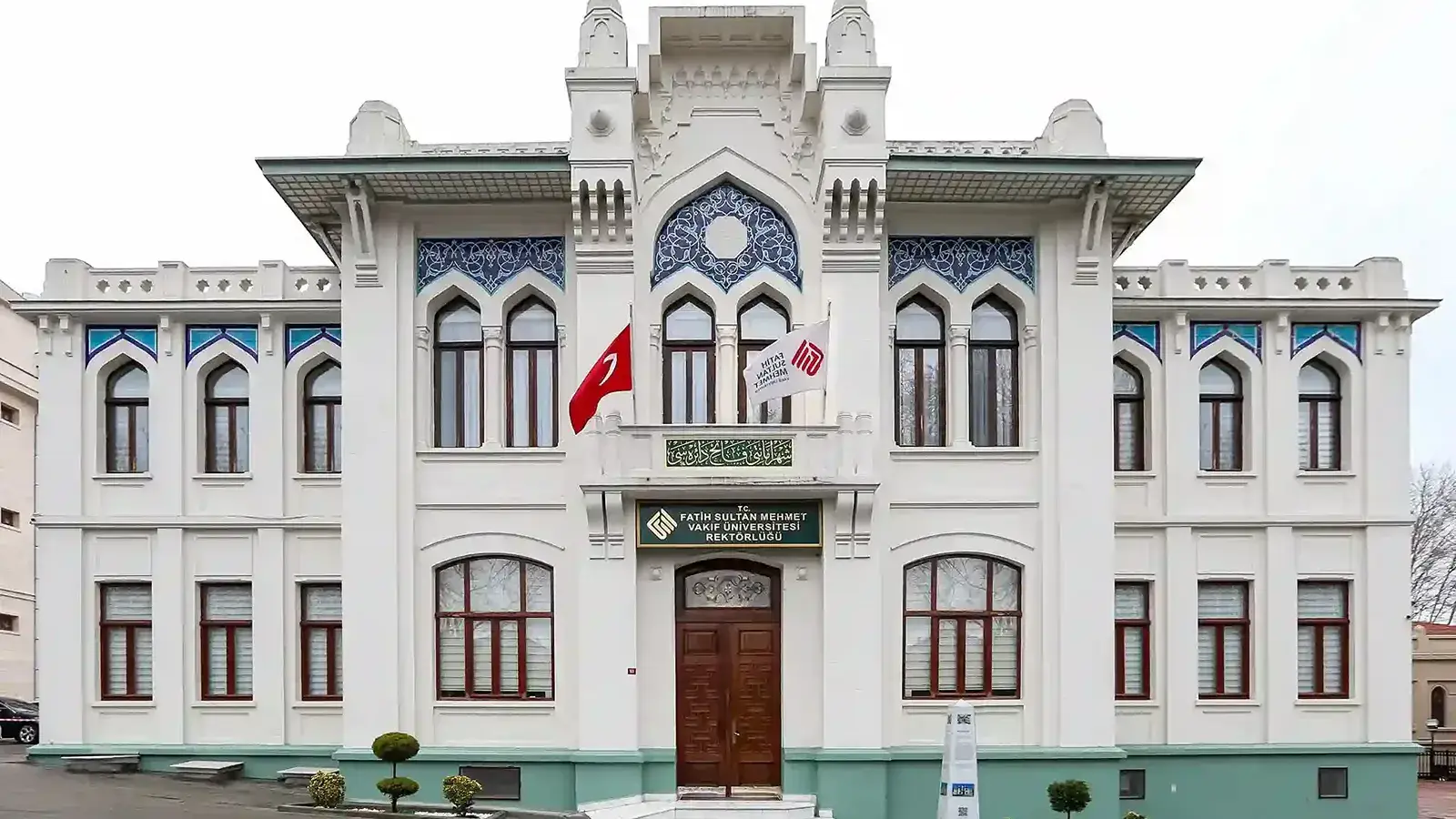
Three Istanbul universities in our catalogue offer the field. Istanbul Sabahattin Zaim University offers a bachelor’s at around $3,500 a year, the most affordable, and Fatih Sultan Mehmet Vakif University, an institution with a strong reputation in the humanities and Turkish studies, offers a bachelor’s at around $5,000. For postgraduate study, Istanbul Aydin University offers a master’s at around $9,000. For completeness, our catalogue also lists related Turkish-taught options in Cyprus, including at Near East University and the University of Kyrenia. The full, filterable list is in the programs explorer.
Tuition Fees in Istanbul (2026)
For the 2026 intake, tuition for Turkish education in Istanbul in our catalogue ranges from about $3,500 to $9,000 per year. The bachelor’s options at Istanbul Sabahattin Zaim University and Fatih Sultan Mehmet Vakif University, at roughly $3,500 and $5,000 respectively, are affordable entries into teacher training, while the master’s at Istanbul Aydin University, at around $9,000, sits at the higher end as a postgraduate specialisation.
A few things are worth understanding. First, these are annual figures, so the total depends on the program length, four years for a bachelor’s or around two for a master’s, before living expenses. Second, tuition at private universities can change year to year, and the exact fee sometimes depends on the level and any institutional discounts, so always confirm the current figure directly. Third, teacher education is generally among the more affordable fields, which is welcome given the profession’s modest pay scale.
For a fuller picture of how fees and funding work across Turkish universities, including the kinds of discounts and payment arrangements that are sometimes available, see our dedicated guide to scholarships and tuition. It is worth reading before you decide, because the headline tuition is not always the whole story.
Cost of Living for Students in Istanbul
Tuition is only one part of your budget. As a rough guide, a student in Istanbul can expect to spend somewhere between $400 and $700 a month on living costs, depending heavily on lifestyle and, above all, on accommodation. Over a year, that works out to roughly $4,800 to $8,400, which for many students is comparable to the tuition itself, so it deserves careful planning.
Accommodation is the biggest single variable. University dormitories and shared flats are the most economical options, while a private apartment in a central, sought-after neighbourhood costs considerably more. Where you live also affects your transport costs and daily convenience. Food is reasonable if you cook and shop at local markets, and more expensive if you eat out frequently. Public transport in Istanbul is extensive and student discounts help keep costs down, but the city is large, so commuting time and cost are real considerations.
Other regular expenses include health insurance, which is required for your residence permit, mobile and internet, books, and personal spending. None of these is individually large, but together they add up, so build them into your plan. The overall message is that Istanbul is affordable by the standards of major international cities, but “affordable” still means budgeting carefully and being realistic about how your choices, especially housing, drive your monthly total.
Scholarships and Funding
Funding for study in Türkiye comes from several directions, and it is worth understanding the landscape before assuming you will pay full price. The most prominent government scheme is Türkiye Bürsları, the national scholarship program, which is competitive and covers tuition along with a stipend and other benefits for successful applicants. It is well worth investigating if your profile is strong, though you should not count on it.
Beyond the national scheme, individual private universities frequently offer their own tuition discounts and merit-based reductions. These vary by institution and year and are often conditional on your academic record, so it is always worth asking the university directly what is available for your specific program. Sometimes the effective price you pay is lower than the published figure once a discount is applied.
Tip: always ask the university directly what discounts are available for your program — the effective price is sometimes lower than the published figure once a discount is applied.
For a thorough overview of the options, eligibility, and how to approach funding strategically, read our guide to scholarships and tuition. And if you would like personalised help identifying which funding routes realistically fit your background, you can book a free consultation and we will talk it through honestly.
Teacher Licensing and Recognition: An Honest Look
Recognition has two parts in teacher education: the academic recognition of the degree, and the professional licensing required to teach. The universities in our catalogue are recognised by YÖK, the Council of Higher Education, so a Turkish education degree from them is a legitimate, accredited Turkish qualification, recognised internationally as such.
But teaching is a licensed profession, and the right to teach is controlled separately from the degree. In Türkiye, becoming a teacher in state schools typically requires not only the degree but also passing national examinations, the KPSS being central, which is competitive and determines public teaching appointments. Private schools and language institutes have their own hiring. Teaching Turkish as a foreign language, whether in Türkiye or through cultural institutions abroad, may have its own pathways and certifications worth investigating depending on where you intend to work.
The honest conclusion is that a Turkish education degree is most directly valuable for teaching Turkish, whether to native speakers in schools or to learners of Turkish as a foreign language, in contexts connected to Türkiye or the Turkish-speaking world. Because the field is inherently tied to the Turkish language, its value travels wherever Turkish is taught, but as with all teaching, securing a post involves meeting the specific licensing and employment requirements of your destination. Research those for wherever you intend to work before you enrol.
Admission Requirements
Admission requirements vary by university and level. For a bachelor’s, you generally need a high school diploma and to meet the university’s entry criteria, with strong Turkish essential from the outset given the nature of the field. For a master’s, you typically need a relevant bachelor’s degree, often in Turkish language and literature, Turkish teaching, or a related field, and a reasonable grade point average strengthens your application.
Across both levels, you will need to submit your academic transcripts and diploma or degree certificate. Because the field is entirely Turkish-language based, you should expect to demonstrate a high level of Turkish proficiency, and the practical bar is high given that you will teach the language. Some programs may also consider relevant experience or motivation, particularly for the master’s or for those focusing on teaching Turkish as a foreign language.
Other common elements include a copy of your passport, passport-style photographs, and sometimes a statement of purpose or letters of recommendation, especially for thesis-track master’s admission. Some universities may ask for an interview. Requirements differ between institutions and can change between intakes, so always confirm the current, exact list with the specific university or with us before you assemble your file. If you would like help checking your eligibility, including an honest view on the language fit, get in touch.
How to Apply: Timeline
While exact dates vary, a realistic timeline looks something like this. Start your research roughly nine to twelve months before you intend to begin, comparing programs and levels, weighing the universities in our catalogue, and honestly assessing whether your Turkish meets the demands of the field.
Six to nine months before you start, prepare your documents. Gather and, where required, translate and officially certify your transcripts and diploma or degree certificate, sort out your passport, and write your statement of purpose if one is needed. If you are applying for scholarships such as Türkiye Bürsları, note that these often have their own earlier deadlines, so check them well in advance.
Three to six months before, submit your applications. Many private universities have rolling or multiple intake windows, but applying earlier gives you more time for the visa and residence steps. Once you receive an offer and an acceptance letter, you move into the visa and travel phase, which we cover next. Throughout, keep digital and physical copies of everything, and confirm each requirement directly with the university. If managing this feels overwhelming, that is exactly the kind of thing we help with, so reach out and we can guide you step by step.

“If managing the applications and deadlines feels overwhelming, that is exactly the kind of thing we help with — step by step.”
Mary — Türkiye Apply admissions team
Student Visa and Residence Permit
Once you have an official acceptance letter from a Turkish university, the visa and residence process follows a well-trodden path, but it requires attention to detail and timing. The first step for most international students is to apply for a student visa at the Turkish embassy or consulate in your home country. You generally cannot enter Türkiye to study long-term on a tourist arrangement and then convert it, so the student visa from your home country is the proper route. You will need your acceptance letter, a valid passport, proof of funds, and the other documents the consulate specifies.
After you arrive in Türkiye and settle in, you must apply for a residence permit, the ikamet, within the period set by the authorities. This legalises your stay for the duration of your studies. The application involves registering with the migration authority, providing your acceptance and enrolment documents, proof of accommodation, valid health insurance, and the relevant fees. Your university’s international student office is usually a major help here and handles these applications routinely.
The two pieces of advice that matter most are to start early and to keep your documents in order. Visa and residence processes can take time, and missing a deadline or a required document causes avoidable stress. Keep multiple copies of everything, follow the instructions your university gives you, and ask for help when you are unsure. If you want a clearer overview of what studying in Türkiye involves end to end, our study in Turkey guide pulls the practical pieces together in one place.
Careers After Studying Turkish Education
A degree in Turkish education leads most directly to teaching Turkish. With a bachelor’s, the core destination is teaching Turkish language and literature in schools, whether state schools, reached through the competitive national examination, or private schools with their own hiring. For those who love the language and literature, sharing that with young people is deeply rewarding work.
A growing and distinct path is teaching Turkish as a foreign language. As global interest in Turkish rises, there is demand for qualified teachers to teach it to non-native speakers, in language schools, universities offering Turkish, and Turkish cultural and educational institutions both within Türkiye and abroad. This international dimension makes the field more globally mobile than some other teaching specialisms, since Turkish is taught in many countries.
A master’s opens further possibilities: advancement to senior or expert teaching roles, specialisation, curriculum and materials development, work in educational publishing, and, for those drawn to research, a PhD and an academic career studying Turkish language, literature, or language teaching. The common thread is meaningful work centred on a language and culture you love. As with all teaching, the specific opportunities depend on meeting the licensing and employment requirements of wherever you intend to work, so plan with your destination in mind.
How to Choose the Right Program
Choosing well begins with an honest assessment of your Turkish and your goals. If you have the command the field requires and want to teach Turkish, the options in our catalogue are attractive; if not, an honest conversation about alternatives is the better starting point. Assuming the fit is right, decide on the level and focus.
If you are starting out and want to become a teacher of Turkish language and literature, a bachelor’s is the foundational route, and Istanbul Sabahattin Zaim University and Fatih Sultan Mehmet Vakif University offer affordable options, the latter with a strong reputation in the humanities. If you already have a relevant background and want to specialise, advance, or research, the master’s at Istanbul Aydin University is the path. If your interest is specifically teaching Turkish as a foreign language, look for programs and specialisations that emphasise that methodology.
Then weigh the practical factors: total cost including living expenses, the structure and quality of the practical teaching placements, the strength of the department in Turkish language and literature, campus location, and the program’s connections to schools and institutions. If you would like a second opinion that weighs all of this against your particular situation, that is precisely what we do, so book a free consultation.
Common Mistakes Applicants Make
A few recurring mistakes are worth flagging. The biggest, and the one specific to this field, is overestimating one’s command of Turkish. Because the field is entirely about the Turkish language, it requires a very high, near-native level, and applicants sometimes underestimate just how deep that command must be to teach the language and its literature. Be honest with yourself about your Turkish before committing.
A second mistake is confusing academic recognition with the right to teach. The degree is academically recognised, but teaching is a separately licensed profession, requiring examinations such as the KPSS for state posts in Türkiye and different processes elsewhere or for teaching Turkish abroad. Understand the licensing path for your intended destination. A third mistake is overlooking the distinct path of teaching Turkish as a foreign language, which has its own methodology and, for some, broader international opportunities than teaching in Turkish schools.
Other frequent missteps include budgeting only for tuition and forgetting living costs, leaving applications and especially scholarship deadlines too late, and overlooking the practical placement component when comparing programs. Finally, many applicants fail to confirm current details directly with the university. Fees, requirements, and intake dates change, so always verify before you commit. Avoiding these mistakes will save you time, money, and disappointment.
DON’T
- Overestimate your command of Turkish
- Confuse academic recognition with the right to teach
- Budget only for tuition and forget living costs
DO
- Be honest about your Turkish before committing
- Learn the licensing path (KPSS for state posts) for your destination
- Verify current fees, requirements and intake dates with the university
Related Programs You Might Consider
If you are weighing Turkish education against neighbouring fields, several of our other guides may help you compare. If your interest is in education and teaching more broadly, our guide to English language teaching degrees in Turkey is the natural starting point, and our guide to elementary education in Istanbul covers teaching young children, another teaching path.
If you are drawn to language, literature, and culture more for their own sake than specifically for teaching, exploring programs in Turkish language and literature or in the humanities can be worthwhile, and if you are interested in Turkish history and civilisation, our guide to history and civilization studies in Istanbul covers a related area. Reading across these guides can help you confirm that Turkish education really is the right fit, or point you toward a neighbouring field. The programs explorer lets you compare all of these side by side.
Frequently Asked Questions
Can I study Turkish education if I am not a native Turkish speaker?
It is possible but demanding. The field is entirely about the Turkish language, so it requires a very high, near-native command of Turkish, including the scholarly grasp needed to teach the language and its literature. Non-native speakers who have reached that exceptional level can pursue it, and teaching Turkish as a foreign language is a particularly relevant path for them. Without that strong foundation, the field is not realistic.
What is the difference between teaching Turkish to native speakers and teaching it as a foreign language?
Teaching Turkish language and literature to native speakers, typically in Turkish schools, focuses on literature, advanced grammar, and analysis for students who already speak Turkish. Teaching Turkish as a foreign language focuses on the distinct methodology of teaching the language from the basics to people who do not speak it, a growing international field. Some programs and specialisations emphasise one or the other.
How much does it cost?
In our catalogue, tuition ranges from about $3,500 a year for a bachelor’s at Istanbul Sabahattin Zaim University to around $9,000 for a master’s at Istanbul Aydin University, with Fatih Sultan Mehmet Vakif University around $5,000 for a bachelor’s. On top of tuition, budget around $400 to $700 a month for living costs in Istanbul. Always confirm current fees directly.
What is the difference between the bachelor’s and the master’s?
The bachelor’s is the four-year foundational qualification combining Turkish language and literature with pedagogy and teaching practice, for those entering the profession. The master’s, around two years, builds on an existing background and suits those who want to specialise, advance, or research. Our catalogue lists bachelor’s options at two Istanbul universities and a master’s at a third.
Will this degree let me teach Turkish abroad?
The degree is recognised internationally as a Turkish qualification, and because the field is centred on the Turkish language, it travels wherever Turkish is taught. Teaching Turkish as a foreign language in particular has international opportunities through language schools and Turkish cultural institutions. As with all teaching, securing a post involves meeting the specific requirements of your destination, so research those before you commit.
Do I need to pass an exam to teach in Türkiye?
To teach in state schools, yes. Beyond the degree, appointment to public teaching posts typically requires passing the national KPSS examination, which is competitive. Private schools and language institutes have their own hiring. Teaching Turkish as a foreign language may involve its own certifications depending on the institution and country.
What can I do with a master’s besides school teaching?
A master’s can lead to senior and expert teaching roles, specialisation in teaching Turkish as a foreign language, curriculum and educational materials development, work in publishing, roles in Turkish cultural and educational institutions, and, for those who continue to a PhD, an academic and research career in Turkish language, literature, or language teaching.
Choosing where and how to study Turkish education is a significant decision, and in this field your command of the Turkish language is the decisive factor. If you would like honest, personalised guidance on whether this path suits your background and goals, book a free consultation. You can also browse and compare every option, including the universities discussed here, in our programs explorer.
Have a question about this article?
Our advisors will guide you for free so you can choose the best path.
Free consultationWhy students choose us
Real partnerships, honest pricing, and support that doesn't stop at admission.
Scholarships & smart discounts
We match you with merit scholarships (often 25–100%) plus sibling and early-payment discounts, so you pay the lowest fair price for your program.
Free, end-to-end guidance
As an authorized agent, our advice and application support cost you nothing. We prepare and submit everything for you — no guesswork.
57 partner universities
Direct partnerships across Türkiye and Northern Cyprus with 5,500+ programs. We find the program that fits you, not just any offer.
Transparent, honest fees
Every tuition figure comes straight from our live catalog and is shown upfront. No hidden costs, no surprises before you commit.
No entrance exam needed
Most private universities admit you on your academic record — many fully in English — so you can apply without YÖS or SAT.
With you to visa & arrival
From choosing a program to your student visa, residence permit and settling in, we stay by your side at every step.