PhD in Music in Istanbul: Universities, Admission & Language (2026)
Istanbul is one of the great musical cities of the world. For centuries it has been a meeting point of musical traditions, the refined art music of the Ottoman court, the rich folk traditions of Anatolia, the classical traditions of East and West, and today a thriving contemporary scene spanning classical, jazz, popular, and electronic music. For a musician or scholar who wants to pursue the highest level of study, a PhD in music in Istanbul means working at the doctoral level in a city saturated with musical history and life. Whether your path is performance, composition, or the scholarly study of music, this guide explains what a doctorate in music in Istanbul involves.
In our catalogue, a PhD in music in Istanbul is offered by several universities, with annual tuition ranging widely from roughly $3,500 to $40,000 depending on the institution and program. Some universities offer music across all levels from bachelor’s to doctorate, and at least one offers programs in English as well as Turkish, which opens advanced music study to international students. You can explore the full, filterable picture on our programs explorer.
This guide walks through everything a prospective doctoral student needs to weigh: who the program is for, what you actually do, the language options and what they mean for you, the real costs of studying and living in Istanbul, how recognition works, the admission and visa steps, and where the qualification can take you afterwards. Because a PhD is a major, multi-year commitment, the aim is a realistic picture, not a sales pitch, so you can decide whether this path fits your goals.
Who This Program Is For
A PhD is the highest academic degree, and in music it can take different forms depending on the focus. It may be a research doctorate in musicology, music theory, or ethnomusicology, culminating in a written dissertation, or, in some programs, a more practice-based doctorate in performance or composition that combines a substantial creative or performance component with scholarly work. In all cases, it builds on a master’s and represents the deepest level of engagement with music as a discipline.
This program suits several kinds of people. It suits musicians and scholars who want an academic career, teaching and researching music at university level, for whom the PhD is the essential qualification. It suits performers and composers who want to pursue the highest formal level of their art within an academic framework, and to combine practice with research. It suits those drawn to musicology, music theory, or ethnomusicology, the scholarly study of music, its history, structure, and cultural meaning, including the rich traditions of Turkish and Ottoman music for which Istanbul is an exceptional setting. And it suits anyone with the talent, preparation, and dedication to spend years at the frontier of musical study.
It is honest to note what a PhD in music is and is not. It is the highest academic and scholarly qualification, oriented toward research, university teaching, and the deepest development of expertise, whether scholarly or creative. It is not a prerequisite for a performing or composing career as such, since many successful musicians build careers through performance and reputation rather than doctorates, and the music profession is shaped heavily by talent, experience, and opportunity. The PhD is most valuable for those aiming at academia or wanting the highest formal and intellectual development of their musicianship. If your goal is purely a performing career, weigh whether the doctorate serves it, and be clear about your purpose before committing years to it.
“You need a doctorate to have a career in music.”
Performing and composing careers are shaped far more by talent, experience, and opportunity — the PhD is essential for an academic career and for the highest formal development of your art.
Why Study Music in Istanbul
Istanbul’s musical depth is a genuine and rare resource for doctoral study. The city is home to centuries of musical tradition, world-class institutions and conservatories, archives of Ottoman and Turkish music, and a living, diverse contemporary scene. For a doctoral musician or scholar, this means proximity to a wealth of musical material, traditions, performers, and scholarly communities. For those interested in Turkish, Ottoman, or the broader musical traditions of the region, there is arguably no better place in the world to study them at the highest level.
The range of institutions is another strength. Several universities offer music across all levels, with some offering the full pathway from bachelor’s through master’s to doctorate, and a range of focuses from Western classical to Turkish music, jazz, and contemporary forms. This breadth means you can find a program and a scholarly or artistic community suited to your particular interest, which matters greatly at doctoral level, where fit with the institution and supervisor is decisive.
The cost picture varies widely, which we discuss below, but the broader economics of studying in Türkiye are favourable. Many programs are accessible by international standards, and Istanbul’s cost of living is lower than most Western capitals, which makes a multi-year doctorate more manageable, especially in the arts where funding elsewhere can be scarce. For students weighing the total cost of a long degree, this matters.
Finally, there is the experience of living and making or studying music in Istanbul itself. The city’s musical life surrounds you, in its concert halls, its traditions, its venues, and its history. For musicians and scholars from the region, particularly those drawn to its musical heritage, Istanbul combines cultural and artistic proximity with a serious academic environment, a rare and valuable combination for doctoral study in music.
Is a PhD in Music Worth It?
Whether a PhD is “worth it” depends heavily on your goals, because it is a long and demanding commitment with a specific purpose. For music, the honest answer is that it is worth it for those who genuinely want an academic career or the highest formal development of their scholarship or art, and who understand what the degree offers and what it does not.
On the positive side, the PhD is the essential qualification for an academic career in music, teaching and researching at university level, and there is no substitute for it on that path. For scholars of musicology, theory, or ethnomusicology, it is the gateway to a research career, and Istanbul offers exceptional resources, especially for the study of Turkish and Ottoman music. For performers and composers in practice-based programs, it offers the chance to develop their art to the highest formal level within a supportive academic setting. The accessibility of many programs and the lower cost of living make a doctorate more achievable than in many other places.
On the realistic side, weigh several things honestly. A PhD is a major investment of time, often four to five years or more, and the academic job market in the arts and humanities is competitive everywhere, so the degree does not guarantee a post. In music specifically, performing and composing careers are shaped far more by talent, experience, and opportunity than by doctorates, so if your goal is performance rather than academia, consider carefully whether the PhD serves it. And the field demands sustained dedication and, for practice-based work, a high level of musicianship. Approached with a clear academic or artistic purpose, it is genuinely worthwhile. Approached vaguely, it is a long commitment to an uncertain end. The clearer your purpose, the better the return.
How Long Is the Program and How Is It Structured?
A PhD in music in Türkiye typically takes around four to five years of full-time study, sometimes longer depending on the research or creative project. The structure depends on whether the doctorate is research-based or practice-based, but most programs share a recognisable shape, building from coursework toward independent research or creative work and a major final output.
The early phase usually involves advanced coursework and seminars, deepening your knowledge of your field, whether musicology, theory, ethnomusicology, performance, or composition, and helping you refine your focus. This is followed by a qualifying or comprehensive examination, which you must pass to demonstrate mastery and readiness to proceed. Passing it marks your transition to doctoral candidate.
The heart of the degree is the major final work. For research doctorates, this is an original, book-length dissertation that contributes new knowledge to musical scholarship. For practice-based doctorates in performance or composition, it typically combines a substantial creative or performance component, such as recitals, a portfolio of compositions, or recordings, with a written scholarly component that situates and reflects on the creative work. Either way, it is researched, created, and defended over a period of years under the supervision of an advisor, and it is the part that defines the degree.
📚A RESEARCH doctorate fits if…
- You are drawn to musicology, theory, or ethnomusicology
- Your final work is an original, book-length dissertation
🎻A PRACTICE-BASED doctorate fits if…
- You are a performer or composer developing your art
- You combine recitals, a portfolio, or recordings with scholarly work
Throughout, the relationship with your supervisor and the artistic or scholarly community matters enormously. In music, the fit with a supervisor who understands your particular field or instrument or compositional voice is especially important, and the resources of the institution, its faculty, facilities, and connections, shape the experience profoundly. When you consider a program, the strength and focus of the faculty in your specific area should weigh heavily, more so than at earlier levels.
What You Study or Create
Music at doctoral level is broad, encompassing scholarly, theoretical, and creative domains, and a PhD allows deep specialisation within one of them. The exact possibilities depend on the program and its faculty, but the field spans several major areas, and your doctoral work will focus within one.
Musicology is the historical and cultural study of music: its history, repertoire, composers, styles, and the social and cultural contexts in which music is made and heard. A musicology doctorate produces original scholarly research on some aspect of music history or culture.
Music theory and analysis examine the structure and language of music itself: how music is constructed, the systems and techniques composers use, and how works can be analysed and understood. This is a rigorous, often technical scholarly field.
Ethnomusicology studies music in its cultural context, including the world’s many musical traditions, and is especially rich in a setting like Istanbul, with its deep traditions of Turkish, Ottoman, and regional music. It combines fieldwork, cultural study, and musical analysis.
Performance at doctoral level, in practice-based programs, develops a performer’s art to the highest formal level, typically combining advanced performance, often documented in recitals and recordings, with scholarly reflection and research related to the repertoire or practice.
Composition at doctoral level develops a composer’s creative voice and craft to the highest level, typically combining a portfolio of original compositions with written work that situates and reflects on the creative output.
Turkish and Ottoman music is a distinctive area of strength in Istanbul, encompassing the theory, history, performance, and scholarship of these rich traditions, for which the city’s institutions and archives offer unrivalled resources.
Your own doctoral work will focus narrowly within one of these areas, whether through research, creation, or performance. For research and ethnomusicology especially, engagement with sources, sometimes in their original languages, and with musical traditions in depth is central. If your interest is in the broader cultural and historical world that music sits within, our guide to history and civilization studies in Istanbul covers a related humanities path.
Language of Instruction: English and Turkish Options
This is an area where music study in Istanbul offers some flexibility, which is valuable for international students. In our catalogue, music programs are offered in both English and Turkish depending on the university, so doctoral study in the field is accessible both to those who work in Turkish and, at some institutions, to those who work in English.
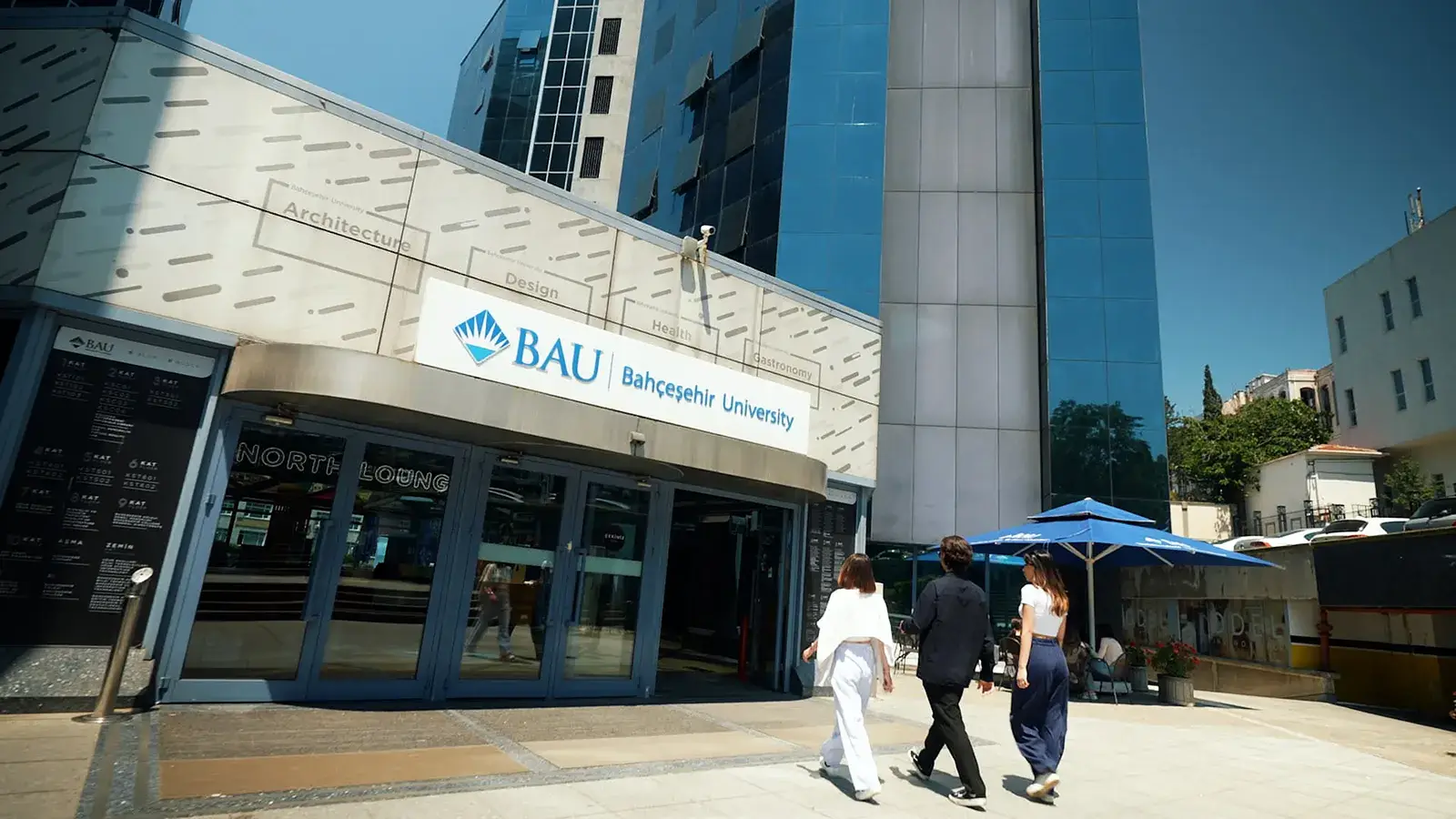
At least one university, Bahcesehir University, offers music in English as well as Turkish, and others offer it in Turkish. An English-medium option at a serious institution opens advanced music study to international students who do not have strong Turkish, which is a real advantage and aligns with the international nature of much musical scholarship and practice. For a doctoral student from outside the Turkish-speaking world, this can make studying in Istanbul genuinely accessible.
That said, a few honest points apply. If you choose or need a Turkish-medium program, you will need strong Turkish, potentially developed through a preparatory year. And for certain areas of research, especially the study of Turkish and Ottoman music, engagement with sources and traditions in Turkish, and sometimes Ottoman Turkish, is important regardless of the language of instruction, since the scholarly and primary materials are in those languages. The language of instruction and the languages your research requires are related but distinct considerations, particularly for scholarship rooted in the local tradition.
Researching Turkish or Ottoman music? Engagement with sources and traditions in Turkish, and sometimes Ottoman Turkish, is important regardless of the language of instruction — factor it into your preparation.
The practical takeaway is that the English option at some institutions removes the instruction-language barrier and makes Istanbul accessible, which is a genuine advantage, while you should be honest about any source-language needs specific to your research area. If you would like help matching a program to your language profile and research interest, you can contact us and we will point you in the right direction.
Universities Offering a PhD in Music in Istanbul: Tuition Compared
Here are the Istanbul universities in our catalogue that offer music at doctoral level, with their levels, language, and tuition. Note that several also offer bachelor’s and master’s, giving a full pathway.
| University | City | Language | Levels | Tuition/yr |
|---|---|---|---|---|
| Istanbul Okan University | Istanbul | Turkish | Bachelor, Master, PhD | $4,500 a year (bachelor); $3,500–4,500 (master’s) and $7,000 (PhD), each for the whole program |
| Maltepe University | Istanbul | Turkish | Bachelor, Master, PhD | $3,500 to $6,000 |
| Halic University | Istanbul | Turkish | Bachelor, Master, PhD | $4,800 to $12,500 |
| Bahcesehir University | Istanbul | English/Turkish | Bachelor, Master, PhD | $5,950 to $40,000 |
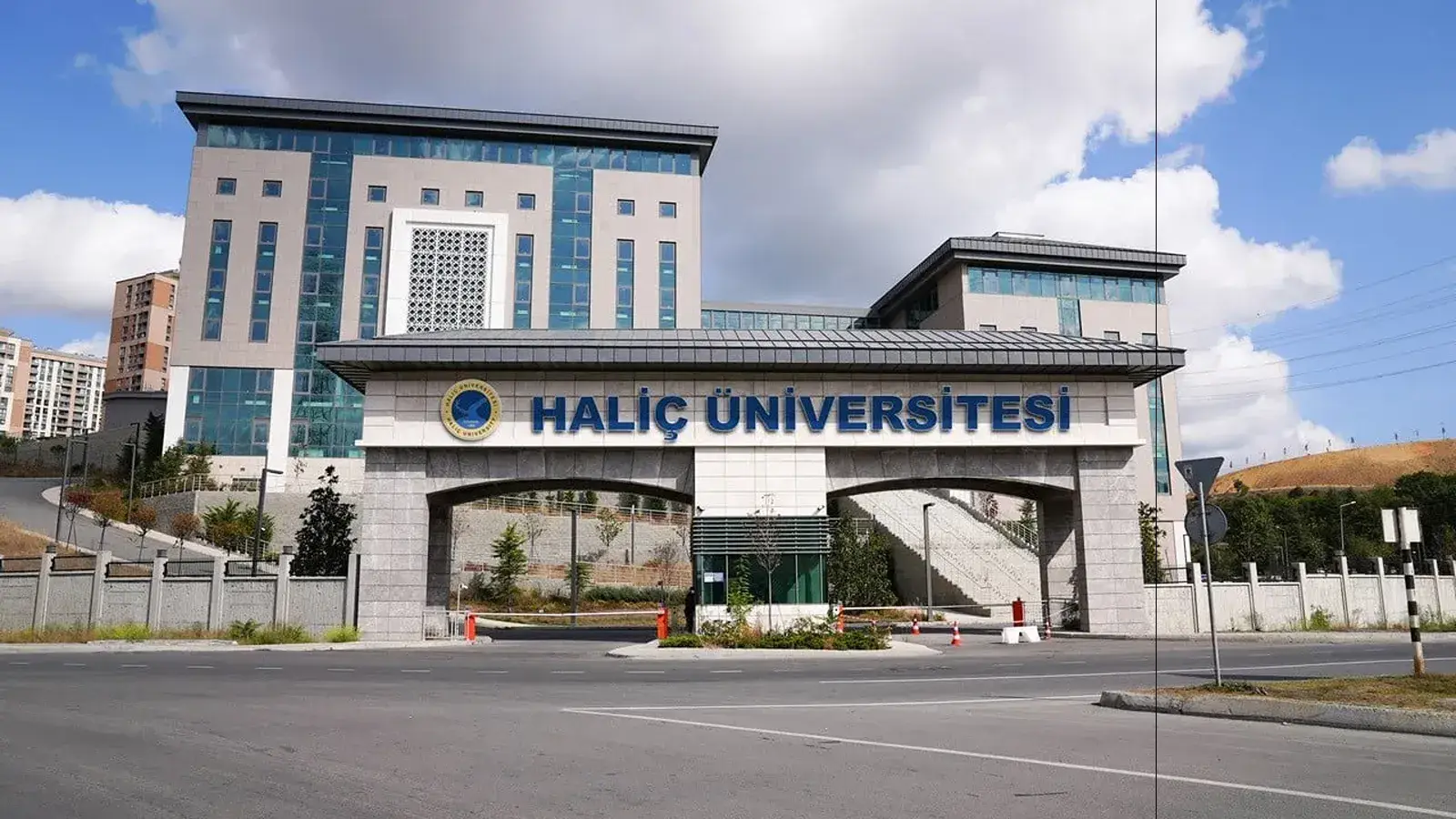
Four Istanbul universities in our catalogue offer music at doctoral level, each also offering bachelor’s and master’s, so you can pursue the full pathway at one institution. Istanbul Okan University and Maltepe University offer the more affordable end, with tuition from around $3,500; at Okan, the doctorate itself is $7,000 for the whole program rather than per year. Halic University, with a notable music focus, ranges higher, up to around $12,500. Bahcesehir University offers the widest range and the English-medium option, with tuition from around $5,950 up to $40,000 depending on the program and level. Several other Istanbul universities offer music at bachelor’s or master’s level, including Istanbul Bilgi University, which offers an English-taught bachelor’s. The full, filterable list is in the programs explorer.
Tuition Fees in Istanbul (2026)
For the 2026 intake, tuition for music in Istanbul in our catalogue ranges very widely, from about $3,500 to $40,000 per year, one of the broadest spreads of any field. This reflects real differences: the institution, the level, the language, and the type of program. The affordable Turkish-taught doctoral options are at Istanbul Okan and Maltepe — Okan’s doctorate is $7,000 for the whole program rather than per year — while the upper end reflects premium and English-medium programs at Bahcesehir.
A few things are worth understanding about these numbers. First, they are annual figures, and a PhD runs several years, so the total accumulates over four to five years or more, before living expenses. Second, tuition can change from year to year, and the exact fee depends heavily on the specific program, level, and language, as well as any institutional discounts or funding, so always confirm the current figure directly, especially given the wide range. Third, for doctoral study it is especially worth asking about funding, assistantships, and scholarships, which can substantially offset or even cover tuition for strong candidates, as we discuss below.
For a fuller picture of how fees and funding work across Turkish universities, including the kinds of discounts and arrangements that are sometimes available, see our dedicated guide to scholarships and tuition. For a multi-year doctorate, especially given the wide cost range, the funding picture matters at least as much as the headline tuition.
Cost of Living for Students in Istanbul
Tuition is only one part of your budget, and for a multi-year PhD the cost of living over the full period is a major consideration. As a rough guide, a student in Istanbul can expect to spend somewhere between $400 and $700 a month on living costs, depending heavily on lifestyle and, above all, on accommodation. Over the several years of a doctorate, this is a significant part of the total cost, so it deserves careful long-term planning.
Accommodation is the biggest single variable. University dormitories and shared flats are the most economical options, while a private apartment in a central, sought-after neighbourhood costs considerably more. Where you live also affects your transport costs and your proximity to the rehearsal spaces, venues, libraries, and musical life your study depends on, which is a real consideration for a musician. Food is reasonable if you cook and shop at local markets, and more expensive if you eat out frequently. Public transport is extensive and student discounts help, but the city is large.
Other regular expenses include health insurance, which is required for your residence permit, mobile and internet, scores, instruments and their maintenance, recordings, and personal spending. For a musician, instrument-related costs can be meaningful. None of these is individually large, but over the years of a doctorate they add up, so build them into a long-term plan. The overall message is that Istanbul is affordable by the standards of major international cities, a real advantage for a long degree, but “affordable” still means budgeting carefully across the full duration.
Scholarships and Funding
Funding is especially important for doctoral study, and it is worth understanding the landscape thoroughly before committing to a multi-year program. The most prominent government scheme is Türkiye Bürsları, the national scholarship program, which is competitive and, for successful applicants, covers tuition along with a stipend and other benefits, including at the doctoral level. For a PhD in the arts, where funding elsewhere is often scarce, this kind of support can be transformative, so it is well worth a serious application if your profile is strong.
Beyond the national scheme, universities themselves sometimes offer doctoral funding, assistantships, and tuition support, particularly for strong candidates who contribute to teaching and performance. It is always worth asking the university directly about the funding available for its program, as the effective cost for a funded doctoral student can be very different from the published tuition, which matters especially given the wide range in this field. For research or practice doctorates alike, this conversation should be part of your decision from the start.
For a thorough overview of the options, eligibility, and how to approach funding strategically, read our guide to scholarships and tuition. And if you would like personalised help identifying which funding routes realistically fit your background and plans, you can book a free consultation and we will talk it through honestly.
Recognition and Accreditation: An Honest Look
Recognition matters for any degree, and for a PhD it bears particularly on academic careers. The universities in our catalogue operate within the Turkish higher education system and are recognised by YÖK, the Council of Higher Education, which governs and accredits universities in Türkiye. A doctorate from a YÖK-recognised university is a legitimate, accredited PhD, recognised internationally as a Turkish doctoral degree.
For an academic career in music, what matters alongside formal recognition is the reputation of the institution and your supervisor in your field, the quality of your scholarly or creative work, your publications or performances and recordings, and the networks you join. In music academia, as in the wider arts, your standing is built substantially on what you produce and how it is received, not only on the certificate. The strengths of specific institutions vary by area, with some particularly strong in Turkish music, others in Western classical, jazz, or contemporary forms, so look closely at the faculty and resources in your specific field.
The honest, encouraging point is that for academic and scholarly paths, an accredited PhD from a recognised institution with genuine strength in your area, combined with strong work, is what counts, and these are achievable in Istanbul, often at an accessible cost. Music scholarship and practice are international, and good work travels. If you intend to pursue an academic career in a specific country, it is wise to understand how qualifications and hiring work there, but the fundamentals, a real PhD plus real scholarly or artistic achievement, are what build a career.
Admission Requirements
Admission requirements for a PhD are more demanding and more individual than for earlier degrees, and in music they often include an artistic dimension. First and foremost, you generally need a relevant master’s degree in music, since a PhD builds directly on master’s-level study, and your background should connect meaningfully to your intended doctoral focus. A strong academic and, where relevant, artistic record matters, as doctoral admission is selective.
For research doctorates, admission typically requires a research proposal, which is often the most important part of the application, demonstrating your readiness for independent research. For practice-based doctorates in performance or composition, an audition, a portfolio of compositions, or recordings is usually required, alongside the academic materials, since your artistic level is central. You will also submit academic transcripts and degree certificates, and usually letters of recommendation, and many programs require an interview. Language requirements depend on the track, with English proficiency needed for English-medium programs and Turkish for Turkish-medium ones.
📋 Doctoral application file — tick as you gather
Requirements differ significantly between research and practice-based programs and between institutions, and doctoral admission is often handled individually, so always confirm the current, exact expectations with the department or with us before applying. If you would like help assessing your readiness, whether scholarly or artistic, and shaping a strong application, get in touch and we will give you an honest assessment.
How to Apply: Timeline
A doctoral application benefits from a long runway, because the research proposal or artistic portfolio and the search for a supervisor take time. Start your research and preparation roughly a year or more before you intend to begin, identifying potential supervisors and programs whose strengths align with your field, and beginning to shape your research proposal or prepare your audition or portfolio, which are the heart of the application.
Six to nine months before, prepare your materials carefully: refine your proposal or polish your performance or compositions, gather and where necessary translate and certify your transcripts and degree certificates, secure strong letters of recommendation, and prepare any required recordings. If you are applying for funding such as Türkiye Bürsları, note that these have their own, often early, deadlines, so begin that application well in advance. Plan also for any Turkish preparation you may need.
Three to six months before, submit your applications and complete any auditions, ideally after making contact with potential supervisors where the program allows it. Once you receive an offer, you move into the visa and travel phase, which we cover next. Throughout, keep careful copies of everything and confirm each requirement directly, because doctoral admission is individual and details vary, especially between research and practice-based programs. A PhD is a years-long commitment, so invest real care in choosing the right program and supervisor. If this feels daunting, that is exactly the kind of thing we help with, so reach out and we can guide you.
Student Visa and Residence Permit
Once you have an official acceptance letter from a Turkish university, the visa and residence process follows a well-trodden path, but it requires attention to detail and timing, and for a multi-year doctorate, the residence permit will be renewed across the duration of your studies. The first step for most international students is to apply for a student visa at the Turkish embassy or consulate in your home country. You generally cannot enter Türkiye to study long-term on a tourist arrangement and then convert it, so the student visa from your home country is the proper route. You will need your acceptance letter, a valid passport, proof of funds, and the other documents the consulate specifies.
After you arrive in Türkiye and settle in, you must apply for a residence permit, the ikamet, within the period set by the authorities. This legalises your stay for the duration of your studies and will need renewing over the years of a doctorate. The application involves registering with the migration authority, providing your acceptance and enrolment documents, proof of accommodation, valid health insurance, and the relevant fees. Your university’s international student office is usually a major help here and handles these applications routinely.
The two pieces of advice that matter most are to start early and to keep your documents in order, and across a multi-year degree, to stay on top of renewal deadlines. Keep multiple copies of everything, follow the instructions your university gives you, and ask for help when you are unsure. If you want a clearer overview of what studying in Türkiye involves end to end, our study in Turkey guide pulls the practical pieces together in one place.
Careers After a PhD in Music
A PhD in music leads most directly to an academic and scholarly career, and that is its primary purpose. The classic path is becoming a university professor or lecturer in music, teaching and researching musicology, theory, ethnomusicology, performance, or composition, and contributing scholarship, performances, or compositions to the field. For this path, the PhD is essential, and your work and reputation determine your progress. This is the career most doctoral students in music aim for.
Beyond academia, the doctorate supports the highest level of expertise in performance and composition for those in practice-based programs, who may combine academic work with active careers as performers or composers. Conservatories and music schools, cultural and arts institutions, and organisations concerned with musical heritage value doctoral-level expertise. Roles in arts administration, music research, archiving, criticism, and publishing draw on this expertise, as does work preserving and promoting musical traditions, including the rich Turkish and Ottoman heritage for which Istanbul is so important.
It is honest to say that the academic job market in the arts is competitive everywhere, and that in music, performing and composing careers are shaped far more by talent, experience, and opportunity than by qualifications. The PhD is essential for academia and valuable for the highest formal development of one’s art, but it is not the primary route to a performing or composing career, which most musicians build through their work itself. The strongest outcomes go to those who combine the doctorate with excellent scholarly or artistic achievement and a clear sense of where they want it to lead. For those with genuine vocation, the PhD opens the door to a life immersed in music at the deepest level, which for the right person is its own profound reward.
How to Choose the Right Program
Choosing a doctoral program in music is largely about fit with the institution, the faculty, and your specific field and goals. Start by identifying the universities whose strengths align with your area, whether that is Western classical, Turkish music, jazz, contemporary forms, musicology, theory, ethnomusicology, performance, or composition. In music, institutional strengths vary by area, so a program excellent in one field may be less suited to another. The presence of a supervisor who genuinely fits your work is the single most important factor.
Next, weigh the language question against your preparation. The English-medium option at some institutions makes the program accessible without strong Turkish, which is a real advantage, but be honest about any source-language needs specific to your research, particularly if you intend to study Turkish or Ottoman music. Consider also the resources that matter for your work: facilities, instruments, archives, performance opportunities, and the musical community, which are central in a practical and creative field like music.
Then weigh the practical factors over the full duration of a doctorate: total cost across several years, which varies enormously in this field, the funding and assistantships available, and the support and community the program offers, since a PhD is a long undertaking that good support makes far more sustainable. Because this is such a significant, multi-year commitment, and the cost range is so wide, it is worth investing real care in the choice. If you would like a second opinion that weighs all of this against your particular situation and musical goals, that is precisely what we do, so book a free consultation.
Common Mistakes Applicants Make
A few recurring mistakes are worth flagging. The first is mismatching the program to your specific field. In music, institutional strengths vary widely by area, and some applicants choose by name or cost without checking whether the program and faculty genuinely fit their field, whether that is Turkish music, classical performance, composition, or musicology. This fit is decisive in a doctorate, so research it carefully.
A second mistake is being unclear about purpose. A PhD is essential for academia and for the highest formal development of one’s art, but it is not the main route to a performing or composing career, which is shaped more by talent and opportunity. Applicants sometimes pursue the doctorate without a clear sense of whether it serves their actual goals. Be honest about why you want it. A third mistake is underestimating, for research in Turkish or Ottoman music, the source-language and tradition-specific demands that exist regardless of the language of instruction.
Other frequent missteps include not investigating funding for a multi-year degree given the wide cost range, underestimating the length and demands of a doctorate, neglecting the audition or portfolio preparation that practice-based programs require, and failing to confirm current, individual requirements directly with the department. Avoiding these mistakes will save you significant time and set you up for a successful doctorate.
Related Programs You Might Consider
If you are weighing a PhD in music against neighbouring fields, several of our other guides may help you compare. If your interest is in the cultural and historical context that music sits within, our guide to history and civilization studies in Istanbul covers a related humanities field, especially relevant for those drawn to the cultural study of music and its traditions. If you are interested in the Islamic cultural and intellectual heritage that shaped much of the region’s art, our guide to Islamic studies in Istanbul covers a related scholarly path.
If you are drawn more to the language and cultural dimension, exploring programs in the relevant languages and cultures can be worthwhile, particularly for those studying regional musical traditions. Reading across these guides can help you confirm that a PhD in music really is the right focus for your goals, or point you toward a neighbouring field. The programs explorer lets you compare all of these side by side, including music at bachelor’s and master’s level if you are not yet at the doctoral stage.
Frequently Asked Questions
Can I do a PhD in music in English in Istanbul?
Yes, at some institutions. Bahcesehir University offers music in English as well as Turkish, which makes doctoral study accessible to international students who do not have strong Turkish. Other universities offer music in Turkish. Note that for research in Turkish or Ottoman music specifically, engagement with sources and traditions in Turkish can be important regardless of the language of instruction.
Is the PhD a research degree or a performance degree?
It can be either, depending on the program. Some doctorates are research-based, in musicology, theory, or ethnomusicology, culminating in a written dissertation. Others are practice-based, in performance or composition, combining a substantial creative or performance component with scholarly work. Be clear about which type fits your goals, as the admission requirements and the nature of the degree differ.
Do I need a master’s degree to apply?
Generally yes. A PhD builds directly on master’s-level study, so a relevant master’s in music is normally required, and your background should connect meaningfully to your intended focus. Admission is selective and typically requires a research proposal for research doctorates, or an audition or portfolio for practice-based ones, alongside the academic materials.
How much does it cost?
In our catalogue, music tuition in Istanbul ranges very widely, from about $3,500 to $40,000 a year, driven by the institution, level, language, and program type. Affordable Turkish-taught doctoral options start around $3,500, while premium and English-medium programs reach much higher. On top of tuition, budget around $400 to $700 a month for living costs across the several years of the degree, and ask about funding, which can substantially reduce the cost.
Do I need a PhD to have a career in music?
No, not for performing or composing careers, which are shaped far more by talent, experience, and opportunity than by qualifications. The PhD is essential for an academic career in music and valuable for the highest formal development of one’s scholarship or art, but most performing and composing careers are built through the work itself. Be clear about whether the doctorate serves your actual goals.
What can I do after the PhD?
The primary path is academic: teaching and researching music at university level. Beyond academia, the doctorate supports the highest level of expertise in performance and composition, and roles in conservatories, cultural and arts institutions, arts administration, music research and archiving, criticism, publishing, and the preservation of musical traditions. The academic market is competitive, so strong work and clear goals matter for the best outcomes.
Is Istanbul good for studying Turkish and Ottoman music?
Exceptionally so. Istanbul is arguably the best place in the world to study Turkish and Ottoman music at the highest level, given its centuries of musical tradition, its institutions and archives, and its living musical culture. Several universities have strengths in this area. For research in these traditions, engagement with Turkish and sometimes Ottoman Turkish sources is important, so factor that into your preparation.
Choosing where and how to pursue a PhD in music is a significant, years-long decision, and you do not have to make it alone. If you would like honest, personalised guidance on whether this path fits your background, musical goals, and language preparation, book a free consultation. You can also browse and compare every option, including the universities discussed here and music programs at other levels, in our programs explorer.
Have a question about this article?
Our advisors will guide you for free so you can choose the best path.
Free consultationWhy students choose us
Real partnerships, honest pricing, and support that doesn't stop at admission.
Scholarships & smart discounts
We match you with merit scholarships (often 25–100%) plus sibling and early-payment discounts, so you pay the lowest fair price for your program.
Free, end-to-end guidance
As an authorized agent, our advice and application support cost you nothing. We prepare and submit everything for you — no guesswork.
57 partner universities
Direct partnerships across Türkiye and Northern Cyprus with 5,500+ programs. We find the program that fits you, not just any offer.
Transparent, honest fees
Every tuition figure comes straight from our live catalog and is shown upfront. No hidden costs, no surprises before you commit.
No entrance exam needed
Most private universities admit you on your academic record — many fully in English — so you can apply without YÖS or SAT.
With you to visa & arrival
From choosing a program to your student visa, residence permit and settling in, we stay by your side at every step.