
A PhD in food engineering sits at the meeting point of chemistry, microbiology, process engineering and nutrition, and it leads into one of the largest and most resilient industries on earth: the production, processing and safety of food. For an international student, Istanbul is a logical place to pursue it, because the city anchors one of the biggest food and beverage industries in the region. In our catalogue, food engineering at doctoral level in Istanbul is offered by two universities, with annual tuition for the wider program family running from roughly $3,500 to $12,000 a year, far below the cost of an equivalent doctorate in Western Europe or North America.
This complete 2026 guide is written for international students who want to study a PhD in food engineering in Istanbul. It covers why the city is a strong choice, how a Turkish doctorate is structured, exactly which universities offer the program and at what price, the all-important question of language, the admission requirements and visa process, the research areas you can specialise in, and the careers the degree opens up. Click any university name to open its full profile, and compare every program in our programs explorer.
Why Study a PhD in Food Engineering in Istanbul
Istanbul is the commercial heart of a country that is a genuine agricultural and food-processing powerhouse, exporting everything from packaged foods and confectionery to dairy, oils and beverages across the Middle East, Europe and beyond. For a food engineering researcher, that means your studies sit next to a living industry, with companies that fund research, take on consultants and hire graduates. Doctoral work here is rarely abstract: it connects to real questions in food safety, shelf life, processing efficiency and product development.
The financial case is just as compelling. A complete doctorate in Türkiye costs a fraction of what an equivalent degree costs in the West, while still being delivered in faculties with modern food-processing, microbiology and analysis laboratories. For a researcher who wants a well-equipped, internationally recognised doctorate without heavy debt, Istanbul is one of the strongest value propositions anywhere.
Beyond cost and industry, the lifestyle is a real draw. Istanbul is a vibrant, student-friendly city with a large international community, a warm climate and a food culture that is itself part of the appeal for anyone studying this field. A doctorate is a long commitment, and doing it in a city you enjoy living in matters more than applicants often expect.
Is a Food Engineering PhD from Türkiye Worth It?
For most international students the answer is yes, provided you are clear about your goals. A PhD is a research degree, so its value comes from the expertise you build, the publications you produce and the network you join, rather than from a job title alone. Food engineering is a field in durable demand, because every country needs safe, well-engineered food, and a doctorate qualifies you for senior research and development roles, regulatory and quality leadership, and an academic career.
The return on investment is excellent because Turkish tuition is so low compared with the value of the qualification. The two things to plan for are language, which we cover in detail below, and recognition in your target country, which we also explain. For a researcher who wants a rigorous, affordable doctorate connected to a real industry, an Istanbul food engineering PhD is a sensible and cost-effective route.
How Long Is a PhD in Food Engineering in Türkiye?
A doctorate in Türkiye typically takes four years, and often runs to between three and five years depending on your research and how quickly you complete your thesis. It is entered after a master’s degree and is built around original research. The first phase combines advanced coursework with a qualifying examination, after which you concentrate on your thesis under a supervisor, ending in a public defence. This structure mirrors the doctoral model used across Europe, so the qualification maps cleanly onto international expectations.
If you hold only a bachelor’s degree, some universities offer an integrated or direct PhD route, while most expect you to complete a master’s in food engineering or a closely related field first. The master’s itself is a one to two year degree, and several Istanbul universities offer it as a natural step before the doctorate.
What You Research in a Food Engineering PhD
Food engineering is broad, and a doctorate lets you specialise deeply in one corner of it. Common research directions include food processing and preservation, designing and optimising the methods that turn raw materials into safe, stable products; food microbiology and safety, studying the organisms that spoil food or cause illness and how to control them; food chemistry and biochemistry, examining the reactions behind flavour, colour, texture and nutrition; and food packaging and shelf-life engineering. Other directions include functional and novel foods, dairy and fermentation technology, food quality and sensory analysis, and sustainability in food production. Your exact topic is shaped with your supervisor around the faculty’s strengths and the laboratories available, so it is worth looking closely at each department’s research groups before you apply.
Language of Instruction: An Honest Look
This is the single most important practical point for this program, so we will be direct about it. In our catalogue, the food engineering programs in Istanbul, including at doctoral level, are taught in Turkish. There is no fully English food engineering PhD in Istanbul in our current data, which is different from fields like business or computer engineering where English options are plentiful.
In practice this means one of two things. If you already speak Turkish, or are willing to reach a working level, you can apply directly, and a doctorate gives you the time to strengthen the language alongside your research. If you do not yet speak Turkish, you would normally complete a one-year Turkish preparatory year (hazırlık) first, after which you sit a proficiency test to confirm your level. Much of doctoral life, including reading, seminars and your thesis defence, would then be in Turkish, though scientific literature and a good deal of supervision often happen in English as well. We will not pretend the language requirement away: it is the main thing to weigh before committing, and our advisors will give you a realistic picture of the time and effort involved.
Language check: there is no fully English food engineering PhD in Istanbul in our current data — you apply with working Turkish, or complete the one-year preparatory year (hazırlık) first.
Universities Offering Food Engineering in Istanbul: Tuition Compared
The table below lists the Istanbul universities in our catalogue that offer food engineering, with the language of instruction, the degree levels available, and annual tuition. Click any university to open its full profile, laboratory and campus details, and complete program list.
| University | City | Language | Levels | Tuition/yr |
|---|---|---|---|---|
| Istanbul Aydin University | Istanbul | Turkish | Master, PhD | $9,000 to $12,000 |
| Istanbul Sabahattin Zaim University | Istanbul | Turkish | Bachelor, Master, PhD | $3,500 to $12,000 |
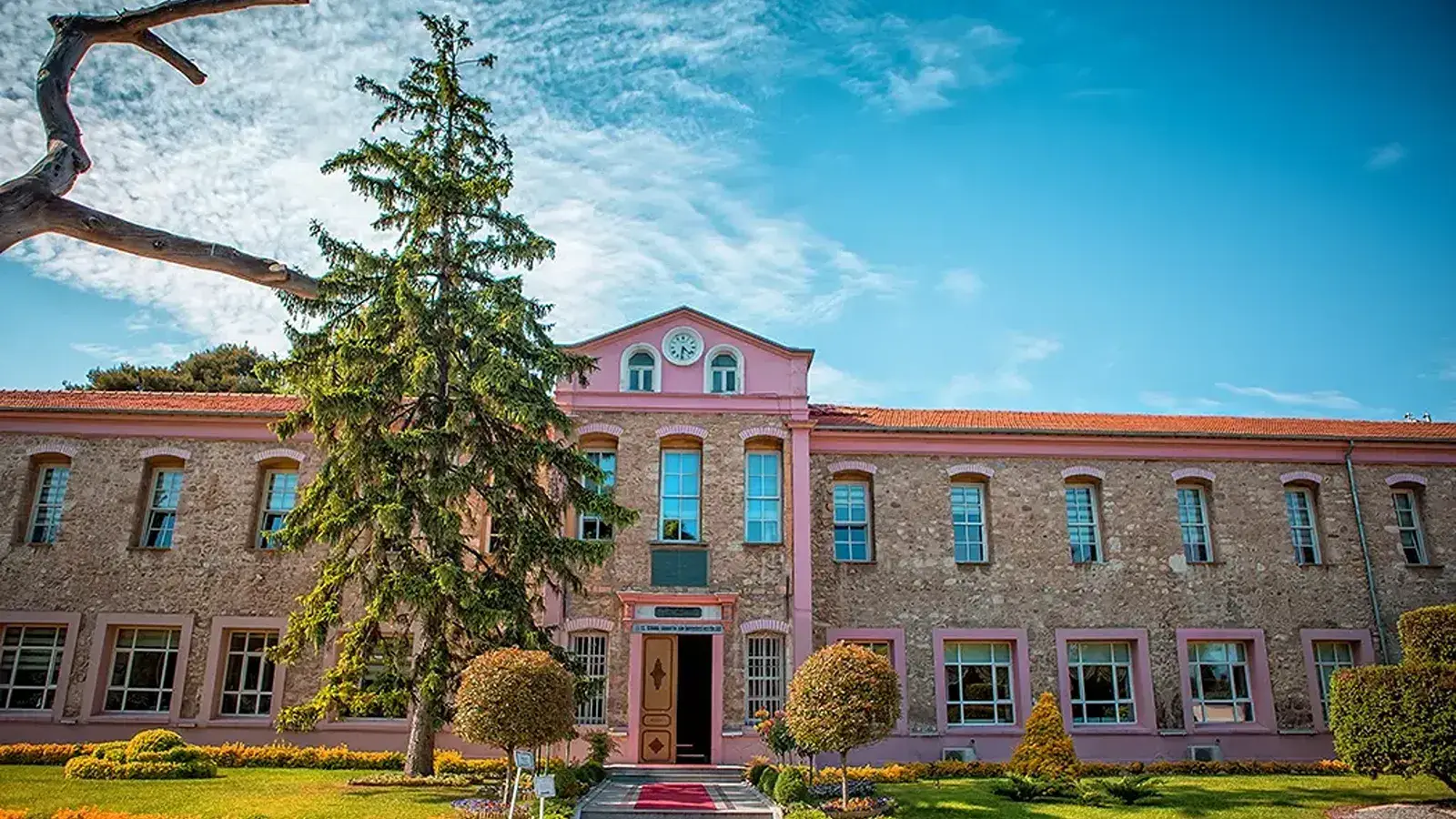
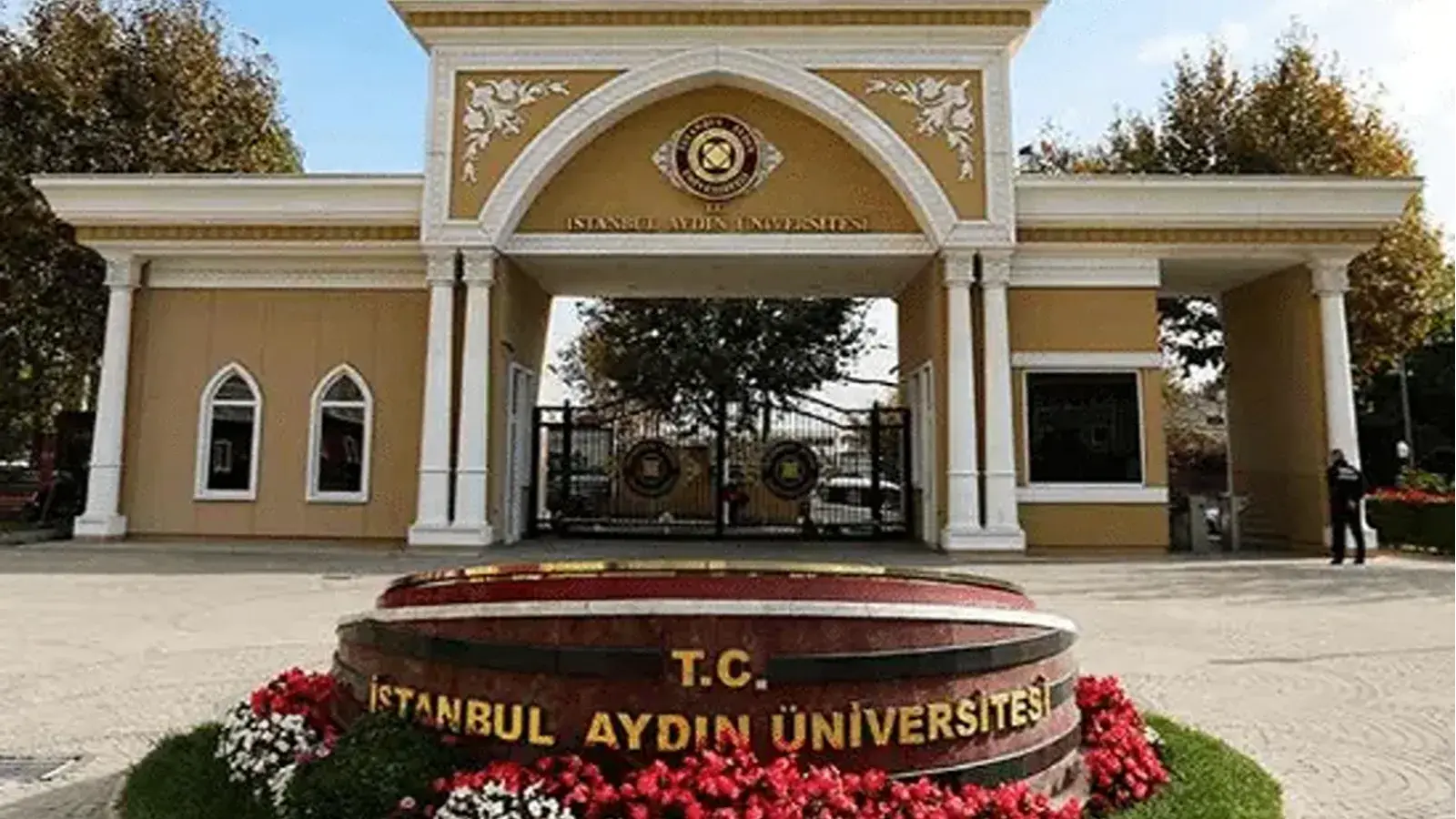
Both Istanbul universities offer food engineering all the way to the doctorate, with Istanbul Sabahattin Zaim University also running the bachelor’s, which makes it a place where you can progress through every level in one institution. Tuition is per year, so multiply across the length of your doctorate for the full cost, and confirm whether the published figure is in US dollars or euros. The full, filterable list of fees is in our programs explorer, where you can sort by budget.
If you are open to studying outside Istanbul, food engineering is also available in Northern Cyprus at the bachelor’s and master’s level in English, which some students use as an English-medium stepping stone before a Turkish-taught doctorate. We can map out that pathway during a consultation.
Food Engineering PhD Tuition Fees in Türkiye (2026)
Tuition for the food engineering program family in Istanbul ranges from about $3,500 a year at the more affordable end to roughly $12,000 a year at the higher end, with the doctorate generally sitting in the middle to upper part of that band. The figure depends on the university, the language of instruction and the level of study.
A few points help you compare fairly. The published number is an annual fee, so the total cost of a doctorate is that figure multiplied across three to five years, which still leaves the degree dramatically cheaper than a Western doctorate. Always confirm the currency and ask whether the fee changes between the coursework and thesis phases. Our scholarships and tuition guide explains how to bring the cost down further.
Cost of Living for PhD Students in Istanbul
On top of tuition, budget roughly $400 to $700 a month for living costs in Istanbul, depending on your neighbourhood and lifestyle. Istanbul is the most expensive Turkish city, especially for rent, but it remains far more affordable than most European or North American cities where you might pursue the same research. A realistic monthly budget covers shared or dormitory accommodation, food, transport, study materials and some social life.
Because tuition is low and a doctorate often comes with funding or assistantship opportunities, the total cost of studying remains very competitive internationally. A student transport card reduces travel costs, and many universities offer dormitory places at controlled prices. Our Study in Türkiye guide breaks down the full cost picture across cities.
Scholarships and Funding for a Food Engineering PhD
The headline tuition is rarely the whole story. Many private universities offer merit scholarships that reduce doctoral tuition, and at PhD level there are often research and teaching assistantship opportunities that provide a stipend in exchange for supporting laboratory teaching or a supervisor’s research. On top of that, the usual sibling and cash or early-payment discounts apply and can stack with a scholarship.
For an internationally minded researcher, it is always worth asking each department what funding it can offer, since a single assistantship can transform the economics of a multi-year doctorate. You can see live discounts in our programs explorer, and our advisors know which faculties are most active in funding food engineering research in a given intake.
Is the Degree Recognised Internationally?
Every Turkish university is accredited by the national Higher Education Council (YÖK), and the country follows the Bologna Process and the ECTS credit system used across Europe, so a Turkish doctorate is recognised across the European Higher Education Area and in many countries beyond it. For an academic or research career, what matters most alongside the degree itself is your publication record and the standing of your supervisor and faculty, which is true of doctorates everywhere. If you intend to use the qualification in a specific country, we help you understand that country’s recognition process during the consultation, so you choose with full information.
Admission Requirements for a Food Engineering PhD in Türkiye
Admission to a doctorate in Türkiye is structured but accessible. Typical requirements for an international applicant are:
- A completed master’s degree in food engineering or a closely related field, with a good grade average
- A copy of your passport and your academic transcripts
- Proof of Turkish at the required level, or enrolment in the preparatory year, since these programs are taught in Turkish
- A research proposal or statement of interest, and often contact with a potential supervisor
- At some universities, an entrance interview or written examination, and an academic graduate examination score
A clear research direction and an early conversation with a prospective supervisor strengthen your application considerably, because a doctorate is ultimately a partnership with the academic who will guide your thesis. We review your profile honestly, help you identify the right department and supervisor, and prepare and submit the application with you.
Tip: a clear research direction and an early conversation with a prospective supervisor strengthen your application considerably — a doctorate is ultimately a partnership with the academic who will guide your thesis.
How to Apply: Timeline
Apply early, because doctoral places and funding are limited and supervisors take on only a few students at a time. Most students begin two to four months before the intake. A typical timeline:
- Free consultation, where we review your master’s background, research interests, language plan and budget.
- Choose university and supervisor, confirming the research fit, language requirement, tuition and any funding.
- Apply and receive admission, where we prepare and submit your documents, research proposal and supporting materials and secure your acceptance letter.
- Visa and travel, where we guide you through the student visa, residence permit and accommodation.
Starting ahead of the crowd gives you the best access to supervisors, laboratory space and any assistantship funding.
Student Visa and Residence Permit
After you receive your acceptance letter, you apply for a student visa at the Turkish consulate in your home country, providing the acceptance letter, passport, photographs, proof of funds and the visa form. We walk you through the exact list. You enter Türkiye on this visa to begin your studies, then convert your status into a student residence permit (ikamet) after you arrive and enrol, which covers you for the duration of your doctorate. The university’s international office assists with enrolment, and we support you through the residence-permit steps, which involve an online appointment, biometrics and health insurance.
Careers After a Food Engineering PhD
A doctorate in food engineering opens doors at the senior end of a large industry. Graduates lead research and development, designing new products and improving existing ones; they head quality assurance and food safety functions, where a doctorate carries real weight; they work in regulatory affairs and standards; and they move into academia and research institutes as lecturers and principal investigators. The food and beverage sector is one of the most stable employers anywhere, because demand for safe, well-engineered food never disappears, and a PhD positions you for the leadership and research roles within it.
Because the underlying science of food processing, microbiology and chemistry is universal, the qualification travels well internationally, and the research and analytical skills a doctorate builds are valued across the wider food, pharmaceutical and biotechnology industries.
Türkiye’s Food and Beverage Industry
A practical reason to study food engineering in Istanbul is the scale of the surrounding industry. Türkiye is a major producer and exporter of processed foods, confectionery, dairy, edible oils, beverages and packaged goods, with large domestic companies and a significant export footprint across the region. For a doctoral researcher, this means your work connects to a real and active sector that funds research, takes on consultants and recruits graduates. It also means the methods, standards and technologies you study are the ones a working food engineer actually uses, and that internships, collaborations and first roles after the degree are within reach.
The Bachelor’s and Master’s Pathway
If you do not yet hold a master’s in the field, the route into this doctorate runs through the earlier degrees, and Istanbul Sabahattin Zaim University in particular offers food engineering at every level from the bachelor’s upward. A typical progression is a four-year bachelor’s, a one to two year master’s, and then the doctorate, although holders of a related engineering or science master’s can often enter directly. Planning the full pathway from the start helps you choose a university where you can progress smoothly and build a relationship with a research group early.
Istanbul vs Northern Cyprus for Food Engineering
A choice some applicants weigh is whether to study on the Turkish mainland or in Northern Cyprus. Istanbul offers the largest food industry, the widest research connections and the most doctoral supervision, with the trade-off that the doctoral programs are in Turkish and the cost of living is higher. Northern Cyprus offers food engineering at the bachelor’s and master’s level in English, with a relaxed Mediterranean lifestyle and a lower cost of living, which makes it a useful English-medium route into the field before a Turkish-taught doctorate. The right choice comes down to your language plan, your budget and whether you need the deep industry links of Istanbul, which we help you weigh during a consultation.
How to Choose a Food Engineering PhD Program
With a focused set of options, a short checklist keeps the decision clear. Start with research fit, looking at each department’s laboratories, research groups and the specific supervisor whose work matches your interests, since this matters more than anything at doctoral level. Confirm the language plan, deciding whether you will enter with Turkish or complete the preparatory year. Weigh the funding, asking about assistantships and scholarships. Compare the real cost, taking published tuition and subtracting any discounts, then adding living costs. And consider the industry links of the faculty, since these shape your access to data, collaborations and jobs. Our advisors run through exactly this checklist with each student during a free consultation.
Common Mistakes International PhD Students Make
A few avoidable mistakes cause most of the problems we see. The biggest is underestimating the language requirement, since these programs are in Turkish and a doctorate is a long commitment. The second is applying without contacting a supervisor, when an early conversation about research fit is what often decides a doctoral admission. A third is leaving the application too late, missing the limited places and funding. And a fourth is choosing on tuition alone, without weighing the research environment that will define your years there. Each of these is easy to avoid with the right guidance, which is exactly what our free consultation is designed to provide.
DON’T
- Underestimate the Turkish language requirement
- Apply without contacting a supervisor
- Leave the application too late
- Choose on tuition alone
DO
- Start learning Turkish as soon as you decide on this route
- Build a relationship with a prospective supervisor early
- Apply early — doctoral places and funding are limited
- Weigh the research environment that will define your years there
Tips for International Food Engineering Researchers
A few pieces of advice make the journey smoother. Build a relationship with a prospective supervisor early, since the supervisor relationship defines a doctorate. Take the language seriously and start learning Turkish as soon as you decide on this route. Be specific about your research interest, as a clear proposal stands out. Ask every department about assistantships and funding, which can transform the economics of the degree. And keep your transcripts, degree certificates and passport scans organised from the start, since you will reuse them for admission, the visa and the residence permit.
Related Programs You Might Consider
Many students weighing a food engineering doctorate also consider neighbouring fields. If your interest leans toward the nutrition and health side of food, our guide to studying nutrition and dietetics in Türkiye may fit better. If you are drawn to the biological science underneath, molecular biology and genetics is a related path. And if it is the engineering and process side that appeals most, the wider programs explorer lets you compare every engineering option. Our advisors can compare the curricula and career outcomes against your interests, and our guide to choosing the right university and major walks through the decision in detail. At the opposite end of the qualification ladder, our guide to the associate degree in electricity in Istanbul shows what a short technical program in the same city looks like.
Frequently Asked Questions
Can I study a PhD in food engineering in English in Istanbul?
In our current catalogue, food engineering in Istanbul, including at doctoral level, is taught in Turkish. If you need an English-medium route, food engineering is available in English at the bachelor’s and master’s level in Northern Cyprus.
How long is a food engineering PhD in Türkiye?
A doctorate usually takes four years and often runs between three and five, depending on your research and thesis. It is entered after a master’s degree.
How much does a food engineering PhD cost in Istanbul?
Tuition for the program family ranges from about $3,500 to $12,000 a year, with the doctorate generally in the middle to upper part of that band. Scholarships, discounts and assistantships can reduce this.
Which Istanbul universities offer a food engineering PhD?
In our catalogue, Istanbul Aydin University and Istanbul Sabahattin Zaim University offer food engineering at doctoral level, both in Turkish.
Do I need a master’s degree to apply?
Usually yes. Most programs expect a master’s in food engineering or a related field, though some universities offer an integrated route from the bachelor’s.
Is funding available for a food engineering PhD?
Often, yes. Universities may offer merit scholarships, and at doctoral level there are research and teaching assistantship opportunities that provide a stipend.
Is a Turkish food engineering doctorate recognised internationally?
Yes. Every university is accredited by YÖK, and Türkiye follows the Bologna Process and ECTS, so the degree is recognised across the European Higher Education Area and in many countries beyond it.
What jobs can I get after a food engineering PhD?
Graduates lead research and development, quality assurance and food safety, regulatory affairs, and academic and research roles across the food, beverage, pharmaceutical and biotechnology industries.
Want help finding the right food engineering program and supervisor in Istanbul for your background and budget? Book a free consultation and we will shortlist the right faculties for you, or compare every option now in our programs explorer.
Have a question about this article?
Our advisors will guide you for free so you can choose the best path.
Free consultationWhy students choose us
Real partnerships, honest pricing, and support that doesn't stop at admission.
Scholarships & smart discounts
We match you with merit scholarships (often 25–100%) plus sibling and early-payment discounts, so you pay the lowest fair price for your program.
Free, end-to-end guidance
As an authorized agent, our advice and application support cost you nothing. We prepare and submit everything for you — no guesswork.
57 partner universities
Direct partnerships across Türkiye and Northern Cyprus with 5,500+ programs. We find the program that fits you, not just any offer.
Transparent, honest fees
Every tuition figure comes straight from our live catalog and is shown upfront. No hidden costs, no surprises before you commit.
No entrance exam needed
Most private universities admit you on your academic record — many fully in English — so you can apply without YÖS or SAT.
With you to visa & arrival
From choosing a program to your student visa, residence permit and settling in, we stay by your side at every step.