Master's in History & Civilization Studies in Istanbul (2026)
To understand the present, you have to understand the past, and not just the chronicle of events but the deeper currents of civilisation: how societies organise themselves, how ideas and beliefs shape peoples, how cultures rise, interact, and transform over centuries. History and civilisation studies is the field that takes on these big questions, combining the rigour of historical research with the broader, comparative perspective of civilisational analysis. For someone fascinated by the long story of human societies, and especially by the rich history of the Islamic world, the Ottoman legacy, and the meeting of civilisations, a master’s in this field offers a chance to study it seriously. Istanbul, a city that is itself a living monument to the layering of civilisations, is a singularly fitting place to do it.
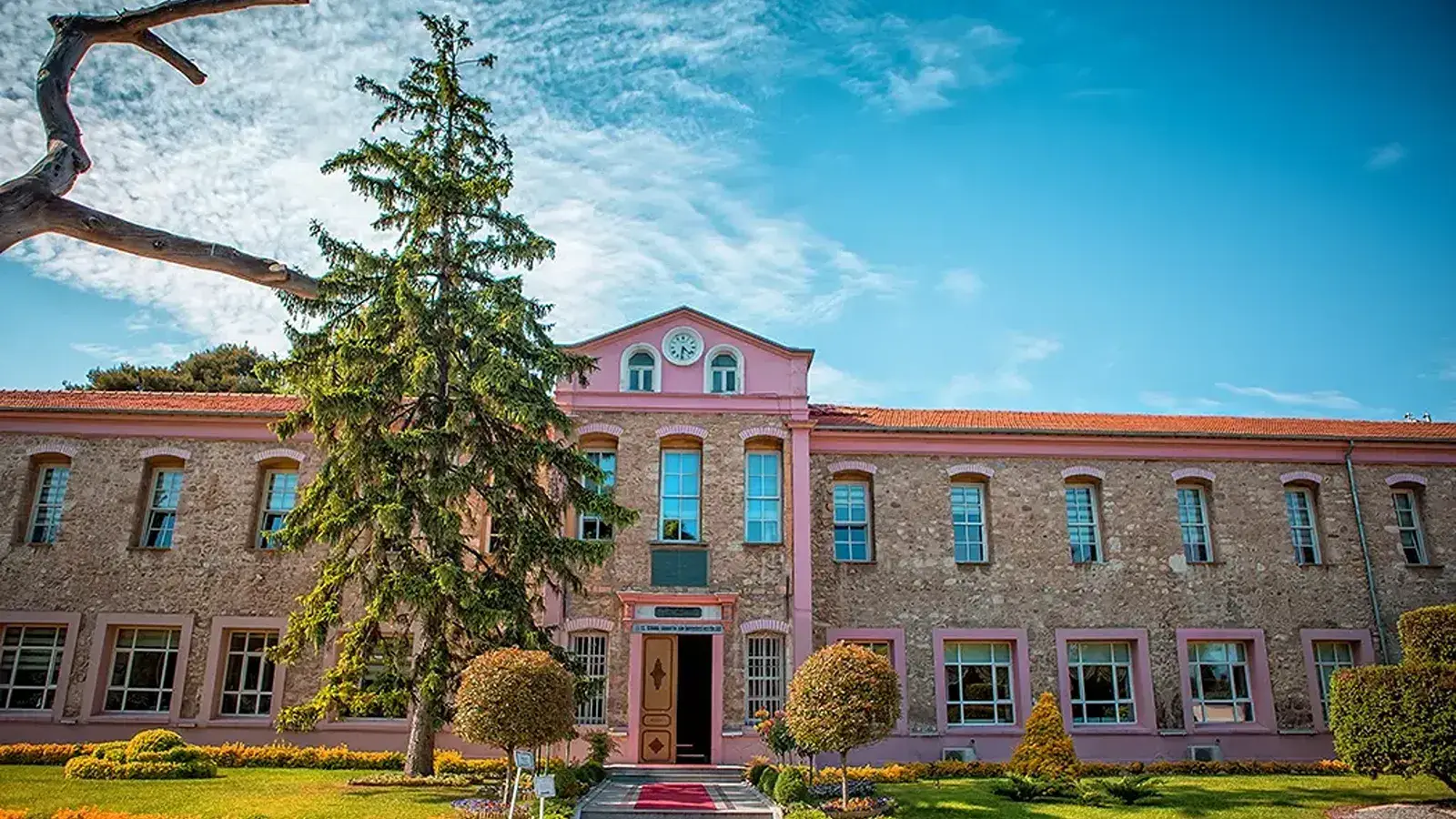
In our catalogue, a master’s in history and civilization studies in Istanbul is offered by Istanbul Sabahattin Zaim University, with annual tuition ranging from roughly $8,000 to $12,000 depending on the level. The university offers the field at both master’s and doctoral level, giving a clear pathway for those who want to continue to a PhD. This is a Turkish-taught program, a detail that matters for who it suits, which we explain in full. You can explore the full, filterable picture, including related humanities options, on our programs explorer.
This guide walks through everything a prospective student needs to weigh: who the program is for, what you actually study, the honest truth about the language, the real costs of studying and living in Istanbul, how recognition works, the admission and visa steps, and where the qualification can take you afterwards. The aim is a realistic picture, not a sales pitch, so you can decide whether this path fits your goals.
Who This Program Is For
A master’s in history and civilization studies is a postgraduate program that builds on an existing bachelor’s degree. It is an interdisciplinary humanities field, combining history with the study of civilisations, cultures, ideas, and the long-term patterns that shape human societies. Entrants typically hold an undergraduate degree in history, the humanities, social sciences, or a related field, and share a serious intellectual interest in the past and in the deeper questions of civilisational development.
This program suits several kinds of people. It suits humanities graduates who want to deepen their historical and civilisational knowledge and specialise before further study or a related career. It suits those drawn specifically to the history of the Islamic world, the Ottoman Empire, and the encounter of civilisations, themes for which Istanbul is an exceptional setting. It suits people working in or aiming for fields where this knowledge matters, such as education, culture, heritage, and research. And it suits those planning an academic path, since a master’s is the standard step toward a PhD and a scholarly career, with this university offering both levels.
It is honest to note what this field is and is not. It is an academic, research-oriented humanities discipline focused on understanding the past and the development of civilisations, not a vocational or professional qualification leading directly to a specific job. Its value lies in the depth of knowledge and the analytical, research, and writing skills it builds, and in the scholarly or related paths it opens, rather than in a direct line to a particular profession. For those drawn to the life of ideas and the serious study of history and civilisation, it is a rewarding path; for those seeking a direct vocational route, a different field would fit better, and it is worth being clear about that distinction.
Why Study History and Civilization Studies in Istanbul
There may be no better place in the world to study the meeting of civilisations than Istanbul. The city has been the capital of two great empires, Byzantine and Ottoman, a bridge between Europe and Asia, and a centre where Christian and Islamic civilisations, and many others, met, clashed, and intermingled for millennia. To study civilisation in Istanbul is to study it amid its physical evidence, the monuments, institutions, and layered urban fabric that embody the very processes the field examines. Few cities offer a richer living laboratory for this discipline.
Istanbul Sabahattin Zaim University offers this field with a focus that suits the setting, and a strong interest in the Islamic and Ottoman civilisational heritage that the city embodies. For a student drawn to these themes, studying them in the place where so much of the history happened, with access to the relevant institutions, archives, and scholarly community, is a genuine advantage over studying them from afar.
The cost picture, while higher than some humanities options, remains accessible by international standards. Compared with postgraduate humanities study at many Western universities, where fees and living costs are high, Istanbul offers serious scholarship at a more manageable total cost, with tuition in our catalogue between roughly $8,000 and $12,000 a year and a cost of living lower than most Western capitals. For a humanities master’s, this is a reasonable investment, especially given the setting.
Finally, there is the broader experience of living in Istanbul. The city bridges continents, layers thousands of years of history, and offers a cultural depth that turns a degree into something larger than a credential. For students from the region, particularly Iran, the Middle East, Central Asia, and the wider Muslim world, whose own histories are bound up with the civilisations the field studies, Istanbul combines cultural and intellectual proximity with a serious academic environment.
Is a Master’s in History and Civilization Studies Worth It?
Whether a degree is “worth it” depends on your goals, your starting point, and the alternatives. For history and civilisation studies, the honest answer is that it is worth it for those with a genuine intellectual passion for the subject and a clear sense of where they want it to lead, whether toward a PhD, an academic career, or a related field where the knowledge and skills matter.
On the positive side, the program builds genuine depth of knowledge and a powerful set of transferable skills: rigorous research, critical analysis, the interpretation of complex sources, and clear, sustained writing and argument. These skills are valued well beyond academia, in fields from education and culture to media, policy, and research. For those drawn to the subject, the intellectual reward of studying the great questions of history and civilisation, in a city that embodies them, is itself a large part of the value. And for those aiming at a scholarly career, the master’s is the necessary step toward a PhD, which this university also offers.
On the realistic side, weigh a few things honestly. This is a humanities field, so it leads less directly to a specific, well-defined career than a vocational program; its value depends substantially on what you do with it and how you combine it with your wider goals. The program is Turkish-taught, so it requires strong Turkish. And as with any postgraduate study, the value comes from genuine engagement and a clear purpose. Approached with real intellectual passion and a sense of direction, it is deeply worthwhile. Approached as a vague default, it delivers less. The clearer your purpose, the better the return.
How Long Is the Program and How Is It Structured?
A master’s in history and civilization studies in Türkiye typically takes about two years of full-time study, though the exact length depends on the track and on whether you choose a thesis or non-thesis option. The university offers the field at both master’s and doctoral level, so there is a clear pathway from the master’s to a PhD for those who want to continue to a scholarly career.
The thesis track is the more research-intensive option, combining taught coursework with a substantial research project written up and defended as a master’s thesis. This is the route to choose if you intend to continue to a PhD or want a rigorous, research-oriented training, since it develops the skills of independent historical research, source analysis, and academic writing that scholarship requires. The non-thesis track is more coursework-focused, suiting those who want the deeper knowledge and the qualification primarily for professional or personal reasons rather than to launch a research career.
Across both tracks, the program combines the study of history with the broader, often comparative, analysis of civilisations, ideas, and cultures, and the methods of historical and humanities research. For thesis students, the research project allows deep focus on a question of genuine interest, often connected to the Islamic, Ottoman, or wider civilisational themes for which the setting is so apt. Because a master’s can lead onward to doctoral study, and because the supervisor relationship matters increasingly as you move toward research, the strength and focus of the faculty in your area of interest is worth weighing when you consider the program.
What You Study
The exact curriculum varies, but a master’s in history and civilization studies covers a recognisable core blending historical study with broader civilisational and cultural analysis. The subjects below appear, in some form, across most programs, with the particular emphasis shaped by the department’s focus.
Theories and methods of history ground you in how historians work: how sources are read and criticised, how historical arguments are constructed, and the major approaches and debates that shape the discipline.
The concept and study of civilisation is central to this field, examining what civilisations are, how they develop, interact, and change, and the major theories scholars have used to understand the long-term patterns of human societies.
Islamic and Ottoman history and civilisation are natural areas of emphasis given the setting, covering the development of Islamic civilisation, the Ottoman Empire, and their institutions, culture, and legacy, themes that Istanbul embodies and that the university takes particular interest in.
Intellectual and cultural history explores the history of ideas, beliefs, and cultural forms, tracing how thought and culture developed and shaped societies over time.
Comparative and world history situate particular histories within a broader, global frame, examining the connections, exchanges, and comparisons between different civilisations and regions.
Sources, archives, and historiography train you to work with primary sources and to understand how history itself has been written and interpreted, a crucial skill for serious research, especially in a field rich in original documents.
Research methods and the thesis complete the master’s for thesis-track students, developing the skills to design and carry out original historical research and to write it up to academic standards, culminating in the thesis. If your interest leans toward the religious and intellectual tradition specifically, our guide to Islamic studies in Istanbul covers a closely related field, and for the scientific heritage, our guide to the history of Islamic science in Istanbul covers a fascinating specialisation.
Language of Instruction: An Honest Look
This is an important practical section, because the language of instruction shapes who the program realistically suits. The history and civilization studies program in our catalogue is Turkish-taught, which means lectures, seminars, reading, discussion, and assessment are conducted in Turkish.
For a humanities field built on reading, discussion, interpretation, and writing, language is especially central. Much of the learning happens through engaging deeply with texts and ideas, debating interpretations, and constructing written arguments, all of which require a strong command of the language of instruction. A subject this dependent on nuanced reading and expression is difficult to pursue without genuine fluency, so the Turkish requirement here is not a formality but a real condition for getting value from the program.
So what does this mean concretely? If you do not already speak Turkish well, you should plan to reach a strong level, ideally B2 to C1 or higher, before you can study comfortably, often through a one-year preparatory program. Beyond the language of instruction, depending on your research focus, the ability to work with sources in their original languages, which for Islamic and Ottoman themes often means Arabic, Ottoman Turkish, or Persian, can be important for serious research, particularly if you continue toward a thesis or a PhD. The language of instruction and the languages of your sources are related but distinct considerations.
Language check: this program is Turkish-taught — plan to reach B2 to C1 or higher, often through a one-year preparatory program, before you can study comfortably.
The honest takeaway is that this field suits those who already have, or are committed to developing, strong Turkish, and who, for research-focused study, are prepared to engage with relevant source languages. If that fits you, the program in this extraordinary setting is a rewarding opportunity. If your Turkish is limited and you are not in a position to develop it, the program would be difficult. We would rather be honest about this. If you would like an assessment of whether your preparation fits, you can contact us and we will tell you straight.
The University Offering History and Civilization Studies in Istanbul
Here is the university in our catalogue that offers history and civilization studies in Istanbul, with its levels, language, and tuition.
| University | City | Language | Levels | Tuition/yr |
|---|---|---|---|---|
| Istanbul Sabahattin Zaim University | Istanbul | Turkish | Master, PhD | $8,000 to $12,000 |
Istanbul Sabahattin Zaim University is the institution in our catalogue offering history and civilization studies in Istanbul, at both master’s and doctoral level, in Turkish, with tuition between roughly $8,000 and $12,000 a year. Offering the field at both levels is a real advantage, since it gives you a clear pathway from the master’s to a PhD at the same institution if you decide to pursue a scholarly career. Because this is the dedicated option in our catalogue for this exact field, it is also worth considering closely related humanities fields, such as Islamic studies and the history of Islamic science, which overlap substantially and may suit a related research interest. The full, filterable list is in the programs explorer.
Tuition Fees in Istanbul (2026)
For the 2026 intake, tuition for history and civilization studies at Istanbul Sabahattin Zaim University in our catalogue ranges from about $8,000 to $12,000 per year across its master’s and doctoral levels, with the higher figure typically reflecting the doctoral level. By the standards of postgraduate humanities study internationally, this remains accessible, particularly when combined with Istanbul’s lower cost of living.
A few things are worth understanding about these numbers. First, they are annual figures, so a two-year master’s costs roughly twice the yearly amount, before living expenses, and a doctorate accumulates over more years. Second, tuition can change from year to year, and the exact fee may depend on the level and on any institutional discounts or funding, so always confirm the current figure directly. Third, for postgraduate humanities study, and especially if you continue to a PhD, it is worth asking about funding, assistantships, and scholarships, which can substantially offset the cost for strong candidates, as we discuss below.
For a fuller picture of how fees and funding work across Turkish universities, including the kinds of discounts and arrangements that are sometimes available, see our dedicated guide to scholarships and tuition. It is worth reading before you decide, because the headline tuition is not always the whole story.
Cost of Living for Students in Istanbul
Tuition is only one part of your budget. As a rough guide, a student in Istanbul can expect to spend somewhere between $400 and $700 a month on living costs, depending heavily on lifestyle and, above all, on accommodation. Over a year, that works out to roughly $4,800 to $8,400, a significant part of the total cost of postgraduate study, so it deserves careful planning.
Accommodation is the biggest single variable. University dormitories and shared flats are the most economical options, while a private apartment in a central, sought-after neighbourhood costs considerably more. Where you live also affects your transport costs and your proximity to the libraries, archives, and historical sites that a student of history and civilisation will want to use, which is a real consideration here. Food is reasonable if you cook and shop at local markets, and more expensive if you eat out frequently. Public transport in Istanbul is extensive and student discounts help keep costs down, but the city is large.
Other regular expenses include health insurance, which is required for your residence permit, mobile and internet, books and research materials, and personal spending. For a humanities student, books can be a meaningful cost. None of these is individually large, but together they add up, so build them into your plan. The overall message is that Istanbul is affordable by the standards of major international cities, but “affordable” still means budgeting carefully and being realistic about how your choices, especially housing, drive your total.
Scholarships and Funding
Funding for postgraduate study in Türkiye comes from several directions, and it is worth understanding the landscape before assuming you will pay full price, particularly if you intend to continue to a PhD. The most prominent government scheme is Türkiye Bürsları, the national scholarship program, which is competitive and, for successful applicants, covers tuition along with a stipend and other benefits, including at master’s and doctoral levels. For postgraduate humanities study, this kind of support can be transformative, so it is well worth a serious application if your profile is strong.
Beyond the national scheme, universities often offer their own discounts, and for doctoral candidates, funding and assistantships, particularly for strong research students. It is always worth asking the university directly about the funding available for its programs, as the effective cost can be very different from the published tuition. For research-focused or doctoral study in particular, this conversation should be part of your decision from the start.
For a thorough overview of the options, eligibility, and how to approach funding strategically, read our guide to scholarships and tuition. And if you would like personalised help identifying which funding routes realistically fit your background and academic plans, you can book a free consultation and we will talk it through honestly.
Recognition and Accreditation: An Honest Look
Recognition matters for any degree, and for a humanities degree it bears particularly on academic and research paths. Istanbul Sabahattin Zaim University operates within the Turkish higher education system and is recognised by YÖK, the Council of Higher Education, which governs and accredits universities in Türkiye. A degree from a YÖK-recognised university is a legitimate, accredited qualification, recognised internationally as a Turkish higher education degree.
For academic and scholarly paths, what matters alongside formal recognition is the quality of your work and, if you continue to research, the reputation of the institution and your supervisor and your own publications. In the humanities, your standing is built substantially on what you produce, your research, writing, and scholarly contributions, not only on the certificate. The university’s focus on the historical and civilisational heritage that Istanbul embodies is relevant here, and as in any research-oriented choice, the specific faculty and their work in your area of interest are worth examining closely.
The honest, encouraging point is that for academic and many related paths, an accredited degree from a recognised institution, combined with strong work, is what counts, and these are achievable in Istanbul at an accessible cost. The skills the degree builds, research, analysis, and writing, are also widely recognised and valued beyond academia. If you intend to pursue an academic career in a specific country, it is wise to understand how qualifications and hiring work there, but the fundamentals, a real degree plus real scholarship and skill, travel well.
Admission Requirements
Admission requirements vary, but for a master’s in history and civilization studies you can expect most of the following. First, you generally need a relevant bachelor’s degree, typically in history, the humanities, social sciences, or a related field, since the master’s builds on prior study, and your background should connect meaningfully to the field. A reasonable academic record strengthens your application, particularly for the thesis track or if you intend to continue to a PhD.
You will need to submit your academic transcripts and degree certificate. Because this is a Turkish-taught program, you should expect to demonstrate strong Turkish proficiency, or to complete a Turkish preparatory year before starting. For thesis-track or research-oriented admission, a statement of purpose and sometimes a preliminary research interest or proposal may be expected, and letters of recommendation are common. Some programs may ask for an interview.
Other common elements include a copy of your passport and passport-style photographs. Requirements differ between institutions and tracks and can change between intakes, so always confirm the current, exact list with the university or with us before you assemble your file. If you would like help checking your eligibility, including an honest view on the language fit and, for research-focused study, your source-language preparation, get in touch and we will give you a straight assessment.
How to Apply: Timeline
While exact dates vary, a realistic timeline for a master’s intake looks something like this. Start your research roughly nine to twelve months before you intend to begin, comparing the program with related humanities options, thinking hard about the language question, and, if you lean toward research or a PhD, considering the faculty and their areas of focus. If you need a Turkish preparatory year, factor it into your whole schedule.
Six to nine months before you start, prepare your documents. Gather and, where required, translate and certify your transcripts and degree certificate, sort out your passport, and write your statement of purpose, shaping a preliminary research interest if you are aiming at the thesis track. If you are applying for scholarships such as Türkiye Bürsları, note that these often have their own earlier deadlines, so check them well in advance.
Three to six months before, submit your applications. Many private universities have rolling or multiple intake windows, but applying earlier gives you more time for the visa and residence steps. Once you receive an offer and an acceptance letter, you move into the visa and travel phase, which we cover next. Throughout, keep digital and physical copies of everything, and confirm each requirement directly with the university. If managing this feels overwhelming, that is exactly the kind of thing we help with, so reach out and we can guide you step by step.
Student Visa and Residence Permit
Once you have an official acceptance letter from a Turkish university, the visa and residence process follows a well-trodden path, but it requires attention to detail and timing. The first step for most international students is to apply for a student visa at the Turkish embassy or consulate in your home country. You generally cannot enter Türkiye to study long-term on a tourist arrangement and then convert it, so the student visa from your home country is the proper route. You will need your acceptance letter, a valid passport, proof of funds, and the other documents the consulate specifies.
After you arrive in Türkiye and settle in, you must apply for a residence permit, the ikamet, within the period set by the authorities. This legalises your stay for the duration of your studies. The application involves registering with the migration authority, providing your acceptance and enrolment documents, proof of accommodation, valid health insurance, and the relevant fees. Your university’s international student office is usually a major help here and handles these applications routinely for incoming students.
The two pieces of advice that matter most are to start early and to keep your documents in order. Visa and residence processes can take time, and missing a deadline or a required document causes avoidable stress. Keep multiple copies of everything, follow the instructions your university gives you, and ask for help when you are unsure. If you want a clearer overview of what studying in Türkiye involves end to end, our study in Turkey guide pulls the practical pieces together in one place.
Careers After a Master’s in History and Civilization Studies
A master’s in history and civilization studies opens onto a range of paths, though as a humanities field it leads less to a single defined career than to a set of possibilities shaped by your interests and how you build on the degree. The most direct academic path is continuing to a PhD, which this university offers, and pursuing a scholarly career in history, civilisational studies, or related fields, teaching and researching at university level. For this, the master’s is the necessary step.
Beyond academia, the knowledge and skills the degree builds support careers in a range of fields. Education, at various levels, values historical and humanities expertise. The culture and heritage sector, including museums, archives, cultural institutions, and heritage organisations, draws on exactly the knowledge this field provides, especially in a country and city as rich in heritage as Türkiye and Istanbul. Research, publishing, editing, and writing, including for wider audiences, value the analytical and writing skills the degree develops. Roles in cultural diplomacy, foundations, and organisations concerned with history, culture, and civilisation are further possibilities.
It is honest to say that, as with humanities study generally, the path from the degree to a career is less direct than in vocational fields, and the strongest outcomes go to those who combine the degree with clear direction, relevant experience, and the transferable skills, research, analysis, and writing, that are valued across many sectors. For those drawn to the subject and clear about their goals, the degree opens genuine opportunities, in academia for those who continue, and in culture, education, and research more widely. As always, plan with a clear sense of where you want the degree to lead.
How to Choose the Right Program
With this field offered by one university in our catalogue, choosing well is partly about that program and partly about how it compares with related options and fits your goals. Start with your purpose. If you are aiming at a scholarly career or a PhD, the fact that this university offers both the master’s and the doctorate is a real advantage, giving you a clear pathway, and you should look closely at the faculty and their research in your area of interest. If your interest is in the knowledge and skills for a related career, weigh how the program’s focus matches your goals.
Because this is the dedicated option for this exact field in our catalogue, it is worth widening your view to closely related humanities fields, such as Islamic studies and the history of Islamic science, which overlap substantially and may suit a related research interest just as well or better. Compare their focus and the faculty carefully, since in the humanities the specific strengths of a department matter a great deal. The programs explorer is the place to lay these options side by side.
Then weigh the practical factors: total cost including living expenses, the funding available especially if you continue to research, the campus and its proximity to the libraries, archives, and historical resources your study will draw on, and the thesis versus non-thesis decision based on whether you lean toward research. And keep the language question firmly in view, since it underlies whether the program will work for you. If you would like a second opinion that weighs all of this against your particular situation and goals, that is precisely what we do, so book a free consultation.

“A second opinion that weighs the program, the related fields and the language question against your own situation and goals — that is precisely what we do, and the consultation is free.”
Mary — Türkiye Apply admissions team
Common Mistakes Applicants Make
A few recurring mistakes are worth flagging. The first is underestimating the language requirement. The program is Turkish-taught, and because the humanities depend so heavily on reading, discussion, and writing, strong Turkish is essential rather than optional. For research-focused study, applicants also sometimes overlook the source-language demands, which for Islamic and Ottoman themes can include Arabic, Ottoman Turkish, or Persian. Assess both honestly before committing.
A second mistake is treating a humanities degree as if it led to a single, defined career in the way a vocational program does. Its value lies in depth of knowledge and transferable skills, and in the paths you build with it, so applicants do best when they have a clear sense of their direction, whether academic or in a related field, rather than expecting the degree to map automatically to a job. A third mistake is overlooking closely related fields, such as Islamic studies, that might fit a particular research interest better; compare them before deciding.
Other frequent missteps include budgeting only for tuition and forgetting living costs, leaving applications and especially scholarship deadlines too late, and, for those aiming at research, not considering the faculty and supervisor fit that matters increasingly as you move toward a thesis or PhD. Finally, many applicants fail to confirm current details directly with the university. Fees, requirements, and intake dates change, so always verify before you commit. Avoiding these mistakes will save you time, money, and disappointment.
DON’T
- Underestimate the Turkish language requirement
- Budget only for tuition and forget living costs
- Leave applications and scholarship deadlines too late
DO
- Assess your Turkish and source languages honestly
- Compare closely related fields like Islamic studies
- Confirm current fees and requirements with the university
Related Programs You Might Consider
If you are weighing history and civilization studies against neighbouring fields, several of our other guides may help you compare. If your interest is specifically in the Islamic intellectual and religious tradition, our guide to Islamic studies in Istanbul covers a closely related field that overlaps substantially. If you are drawn to the scientific heritage of the Islamic world, our guide to the history of Islamic science in Istanbul covers a fascinating specialisation within this broad area.
If your interest leans toward language, literature, and culture, exploring programs in Turkish, Arabic, or Persian language and literature can be worthwhile, and if you are drawn to the governance and institutional side of societies past and present, our guide to local administrations in Istanbul covers a related social-science path. Reading across these guides can help you confirm that history and civilization studies really is the right fit, or point you toward a neighbouring field. The programs explorer lets you compare all of these side by side. Istanbul’s graduate scene also runs to the highly technical end of the spectrum — see our guide to the master’s in cyber security in Istanbul for a glimpse of that side.
Frequently Asked Questions
Can I study history and civilization studies in English in Istanbul?
In our catalogue, the history and civilization studies program in Istanbul is Turkish-taught, and because the humanities depend so heavily on reading, discussion, and writing, strong Turkish is genuinely central. Plan to reach a strong level, ideally B2 to C1 or higher, or complete a one-year Turkish preparatory program before starting. For research-focused study, source languages such as Arabic or Ottoman Turkish may also be important depending on your focus.
What is the difference between the master’s and the PhD here?
The master’s, around two years, deepens your knowledge and, in the thesis track, develops your research skills, and is the standard step toward further study. The PhD is the research doctorate, a multi-year program centred on an original dissertation, for those pursuing a scholarly career. This university offers both, so you can complete the master’s and continue to the doctorate at the same institution if you wish.
How much does it cost?
In our catalogue, tuition at Istanbul Sabahattin Zaim University ranges from about $8,000 to $12,000 a year across the master’s and doctoral levels, with the higher figure typically reflecting the doctoral level. On top of tuition, budget around $400 to $700 a month for living costs in Istanbul. Ask about funding and scholarships, which can substantially reduce the cost for strong candidates, especially at the doctoral level.
What kind of career does this lead to?
As a humanities field, it leads to a range of possibilities rather than a single career. The most direct academic path is continuing to a PhD and a scholarly career. Beyond academia, the knowledge and skills support roles in education, the culture and heritage sector, research, publishing and writing, and cultural institutions. The path is less direct than in vocational fields, so clear direction and the degree’s transferable skills matter for the best outcomes.
Do I need a history degree to apply?
Not necessarily a history degree specifically, but a relevant bachelor’s in history, the humanities, social sciences, or a related field is the usual basis, and your background should connect meaningfully to the field. What matters is a serious foundation in and interest in the study of the past and of civilisations, on which the master’s builds.
Is this mainly about Islamic and Ottoman history?
The field is broad, covering history and civilisation generally, but given the setting and the university’s focus, Islamic and Ottoman history and civilisation are natural areas of emphasis, and Istanbul is an exceptional place to study them. The program also engages with the concept and comparative study of civilisations more widely, and your own research can focus on the themes that most interest you within the field.
Will the degree be recognised internationally?
Yes. It is an accredited Turkish higher education degree, recognised internationally as such, and the research, analysis, and writing skills it builds are widely valued. For an academic career, the quality of your work and, if you continue to research, the standing of your institution and supervisor and your publications matter alongside the formal recognition. If you plan to work in a specific country, it is wise to understand how qualifications are viewed there.
Choosing where and how to pursue a master’s in history and civilization studies is a significant decision, and you do not have to make it alone. If you would like honest, personalised guidance on whether this path fits your background, interests, and goals, including the language question, book a free consultation. You can also browse and compare every option, including the university discussed here, in our programs explorer.
Have a question about this article?
Our advisors will guide you for free so you can choose the best path.
Free consultationWhy students choose us
Real partnerships, honest pricing, and support that doesn't stop at admission.
Scholarships & smart discounts
We match you with merit scholarships (often 25–100%) plus sibling and early-payment discounts, so you pay the lowest fair price for your program.
Free, end-to-end guidance
As an authorized agent, our advice and application support cost you nothing. We prepare and submit everything for you — no guesswork.
57 partner universities
Direct partnerships across Türkiye and Northern Cyprus with 5,500+ programs. We find the program that fits you, not just any offer.
Transparent, honest fees
Every tuition figure comes straight from our live catalog and is shown upfront. No hidden costs, no surprises before you commit.
No entrance exam needed
Most private universities admit you on your academic record — many fully in English — so you can apply without YÖS or SAT.
With you to visa & arrival
From choosing a program to your student visa, residence permit and settling in, we stay by your side at every step.