Bachelor's in Russian Translation & Interpreting in Istanbul (2026)
Türkiye and the Russian-speaking world are deeply connected. Millions of Russian-speaking tourists visit Türkiye every year, trade between the countries runs into the tens of billions, and Russian-speaking communities, businesses, and institutions are a visible part of life in Istanbul and along the coasts. Wherever two languages meet at this scale, skilled translators and interpreters are essential, the people who make communication possible across the language barrier in business, tourism, law, media, and diplomacy. A degree in Russian translation and interpreting trains exactly those professionals, and Istanbul, a global crossroads with strong ties to the Russian-speaking world, is a logical place to study it.
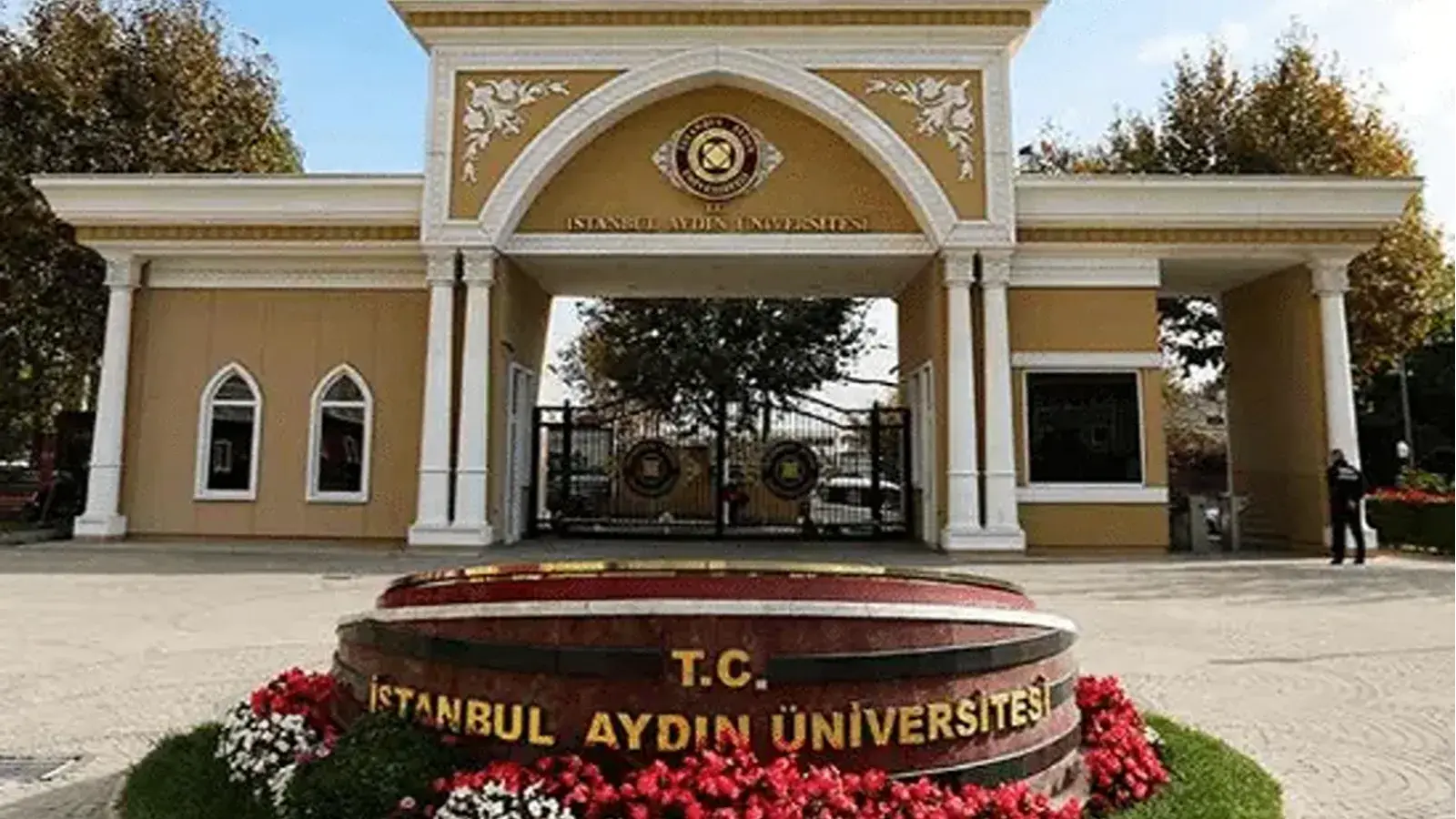
In our catalogue, Russian translation and interpreting in Istanbul is offered by Istanbul Aydin University, at both associate and bachelor’s level, with annual tuition ranging from roughly $2,700 to $5,000 depending on the level. This is a Turkish-medium program built around the Turkish and Russian language pair, a detail that shapes who it suits, which we explain in full. You can explore the full, filterable picture, including related options, on our programs explorer.
This guide walks through everything a prospective student needs to weigh: who the program is for, what you actually study, the honest truth about the languages you need, the associate and bachelor’s options, the real costs of studying and living in Istanbul, how recognition works, the admission and visa steps, and where the qualification can take you afterwards. The aim is a realistic picture, not a sales pitch, so you can decide whether this path fits your goals.
Who This Program Is For
Translation and interpreting is a professional language field that trains you to convert meaning accurately and fluently between languages, in writing (translation) and in speech (interpreting). A degree in Russian translation and interpreting specifically trains you to work between Turkish and Russian, the two working languages of the program. It exists at two levels in our catalogue: a two-year associate degree, a shorter, more vocational qualification, and a four-year bachelor’s degree, the fuller professional qualification, which is the main focus of this guide.
This program suits several kinds of people. It suits those with a genuine aptitude for and love of languages, who enjoy the precise, creative work of moving meaning between Turkish and Russian. It suits people who already have a strong foundation in both languages, or are committed to building it, and want to turn that into a profession. It suits those drawn to the many fields where Turkish and Russian meet, tourism, trade, business, law, media, and diplomacy. And it suits people who want a practical, skills-based degree leading to a clear and in-demand profession.
It is honest to note the central reality of this field, which we return to in detail below: it is fundamentally about command of two languages. Success requires a high level in both Turkish and Russian, since you will be translating and interpreting between them. This is not a field where you learn the languages from scratch as you go; it builds on, and demands, real proficiency in both. For someone with that bilingual foundation, or genuinely committed to reaching it, the field is rewarding and practical. For someone without a strong base in both languages, it would be very difficult, and it is worth being clear about that before committing.
Why Study Russian Translation and Interpreting in Istanbul
Istanbul is an exceptional setting for this field because of the depth and breadth of Turkish and Russian-speaking contact there. The city is a major destination for Russian-speaking tourists and a hub for trade and business between Türkiye and the Russian-speaking world, with countless companies, agencies, and institutions that need Turkish and Russian communication. For a student of translation and interpreting, studying in a place where the language pair is constantly in real-world use is a genuine advantage, offering exposure, practice, and eventually professional opportunity.
Istanbul Aydin University offers the field at both levels, giving a clear route into the profession, whether through the quicker associate degree or the fuller bachelor’s. For a practical, skills-based field, an institution that offers a structured path and operates in a city where the languages are in constant demand is a sensible choice.
The cost picture is favourable. Compared with studying translation and interpreting in Western countries, Istanbul is markedly more affordable, with tuition in our catalogue between roughly $2,700 and $5,000 a year. When you add a cost of living lower than most Western capitals, the total cost of the degree is very manageable, which is attractive for a practical professional qualification.
Finally, there is the broader experience of living in Istanbul, a city that bridges Europe and Asia and is itself a meeting point of languages and cultures. For students from the region, including those with ties to the Russian-speaking world or to Türkiye, Istanbul combines opportunity and exposure in the relevant languages with an affordable, respected educational environment. You study the meeting of two languages in a city where that meeting happens every day.
Is a Degree in Russian Translation and Interpreting Worth It?
Whether a degree is “worth it” depends on your goals, your starting point, and the alternatives. For Russian translation and interpreting, the honest answer is that it is worth it for people with a real bilingual aptitude and an interest in the profession, especially given the strong and ongoing demand for Turkish and Russian language skills.
On the positive side, translation and interpreting is a genuine profession with steady demand, and the Turkish and Russian pair is particularly active given the scale of tourism, trade, and other ties. A degree gives you not just language skills but the specific professional competencies of translation and interpreting, accuracy, speed, register, terminology, and the techniques of written translation and live interpreting, which are distinct skills beyond simply knowing two languages. The qualification signals professional training to employers and clients, and the field offers varied work across many sectors. The affordability of studying in Istanbul improves the return.
On the realistic side, weigh a few things. The field rewards real, high-level command of both languages, so it delivers most for those who have or build that foundation. Translation and interpreting also reward practical skill and experience, so the degree is most valuable when paired with practice and a growing portfolio of work. And the profession is evolving with technology, including machine translation, so the strongest professionals are those who bring the human judgement, nuance, and specialised skill, especially in interpreting and complex or sensitive translation, that technology cannot replace. Approached as professional training for someone with genuine bilingual ability, it is worth it. Approached without that language foundation, it disappoints. The stronger your two languages, the better the return.
How Long Is the Program and How Is It Structured?
The structure depends on the level. The associate degree is a two-year vocational program that provides a focused, practical training in translation and interpreting between Turkish and Russian, preparing you relatively quickly for entry-level professional work or for further study. The bachelor’s degree is a four-year program offering a fuller, deeper professional and academic training, and is the standard qualification for the profession.
Importantly, there is a clear pathway between the two. Graduates of the associate degree in Türkiye can typically progress to a related bachelor’s through the vertical transfer system, known as DGS, an examination that allows associate-degree holders to continue to a bachelor’s, often with advanced standing. This means the associate degree can be a deliberate first step toward the full bachelor’s qualification, offering a quicker, more affordable entry that need not be the end of the road.
Across both levels, the program combines advanced study of the two languages with the specific theory and practice of translation and interpreting. You develop written translation skills across different text types and fields, and the distinct skills of interpreting, which may include consecutive interpreting, where you translate after the speaker pauses, and the more demanding simultaneous interpreting, where you translate in real time. Practical training, exercises, and often supervised practice are central, because translation and interpreting are learned substantially by doing. When you consider the program, look at how it balances the two languages and how much practical, skills-building work it includes.
What You Study
The exact curriculum varies by level, but a program in Russian translation and interpreting covers a recognisable core combining language mastery with professional translation and interpreting skills. The subjects below appear, in some form, across the program.
Advanced Turkish and Russian form the foundation. The program deepens your command of both languages to a high, professional level, since accurate translation and interpreting depend on a sophisticated grasp of grammar, vocabulary, idiom, and register in both.
Translation theory and practice teach you the principles and techniques of written translation: how to render meaning accurately and naturally, handle different text types, and address the many challenges of moving between languages with different structures and cultures.
Interpreting skills cover the distinct discipline of oral translation, including consecutive interpreting and, at the more advanced level, simultaneous interpreting, along with the techniques, note-taking, and mental skills these demanding tasks require.
Specialised and technical translation introduce the vocabulary and conventions of specific fields, such as legal, commercial, technical, medical, or media translation, since professional translators often specialise and each field has its own terminology and norms.
Contrastive linguistics and language structure help you understand how Turkish and Russian differ in structure and expression, which underpins the ability to translate accurately and idiomatically rather than literally.
Culture and area knowledge deepen your understanding of the cultures behind the languages, since translation is never just about words but about conveying meaning across cultural contexts.
Translation technology familiarises you with the tools of the modern profession, including computer-assisted translation tools and an understanding of machine translation, so you can work effectively alongside the technology that now shapes the field.
Practical training and projects run throughout, applying everything to real translation and interpreting tasks, which is how professional skill is built. If your interest is more in language teaching than translation, our guide to Turkish education in Istanbul covers a related language path.
Language Reality: An Honest Look
This is the most important practical section of the guide, because in translation and interpreting, language is not a hurdle to clear before studying but the entire substance of the field, and the requirements are specific and demanding.
First, there are really two language dimensions. The program in our catalogue is Turkish-medium, meaning the instruction, the academic life, and much of the coursework are in Turkish. And the field itself is about working between Turkish and Russian, so you need a high level in both languages to study and practise it. This is fundamentally a bilingual profession; you cannot translate or interpret between two languages without strong command of each.
What does this mean concretely? You need genuine, high-level proficiency in both Turkish and Russian, well beyond basic fluency, to succeed. Translation and interpreting demand a sophisticated grasp of both languages, their nuance, register, idiom, and structure, and you will be developing and refining that command to a professional level throughout the program. This is not a field where you can arrive with one language and pick up the other casually; it builds on and requires a real foundation in both. The exact entry expectations vary, and the program develops your skills further, but you should be honest with yourself about your starting level in both languages.
Language check: this is a Turkish-medium program built around the Turkish and Russian pair — it builds on and develops real proficiency in both languages rather than teaching them from scratch.
The honest takeaway is that this field suits people who already have, or are genuinely committed to building, strong Turkish and Russian. For someone with that bilingual ability, especially a native or strong speaker of one language with solid command of the other, the program is an excellent route into a real profession in a city where the languages are in constant demand. For someone without a strong base in both, it would be very difficult. We would rather be honest about this central requirement. If you would like an assessment of whether your language background fits the program, you can contact us and we will tell you straight.
The University Offering Russian Translation and Interpreting in Istanbul
Here is the university in our catalogue that offers Russian translation and interpreting in Istanbul, with its levels and tuition.
| University | City | Language | Levels | Tuition/yr |
|---|---|---|---|---|
| Istanbul Aydin University | Istanbul | Turkish | Associate, Bachelor | $2,700 to $5,000 |
Istanbul Aydin University is the institution in our catalogue offering Russian translation and interpreting in Istanbul, at both associate and bachelor’s level, with tuition between roughly $2,700 and $5,000 a year. Offering both levels is useful, since it gives you a choice between the quicker, more affordable associate degree and the fuller four-year bachelor’s, with the vertical transfer pathway connecting them. For students focused on the Turkish and Russian language pair specifically, this is the dedicated option in our catalogue; if you are open to other language pairs or to translation studies more broadly, it is worth exploring related translation programs too. The full, filterable list is in the programs explorer.
Tuition Fees in Istanbul (2026)
For the 2026 intake, tuition for Russian translation and interpreting at Istanbul Aydin University in our catalogue ranges from about $2,700 to $5,000 per year across its associate and bachelor’s levels. This is an affordable range for a professional qualification, and notably lower than studying translation and interpreting in Western countries.
A few things are worth understanding about these numbers. First, they are annual figures, so the total depends on the program length, two years for the associate or four for the bachelor’s, before living expenses. Second, tuition can change from year to year, and the exact fee may depend on the level and any institutional discounts, so always confirm the current figure directly. Third, the affordability, especially of the associate degree, combined with the vertical transfer pathway to the bachelor’s, makes this a financially accessible route into a real profession.
For a fuller picture of how fees and funding work across Turkish universities, including the kinds of discounts and arrangements that are sometimes available, see our dedicated guide to scholarships and tuition. It is worth reading before you decide, because the headline tuition is not always the whole story.
Cost of Living for Students in Istanbul
Tuition is only one part of your budget. As a rough guide, a student in Istanbul can expect to spend somewhere between $400 and $700 a month on living costs, depending heavily on lifestyle and, above all, on accommodation. Over a year, that works out to roughly $4,800 to $8,400, which for students on an affordable program is often larger than the tuition itself, so it deserves careful planning.
Accommodation is the biggest single variable. University dormitories and shared flats are the most economical options, while a private apartment in a central, sought-after neighbourhood costs considerably more. Where you live also affects your transport costs and daily convenience. Living in Istanbul also offers something valuable for a language student: real exposure to both Turkish and, in many parts of the city and its tourism and business life, Russian, which can support your language development outside the classroom. Food is reasonable if you cook and shop at local markets, and more expensive if you eat out frequently. Public transport is extensive and student discounts help, but the city is large.
Other regular expenses include health insurance, which is required for your residence permit, mobile and internet, books and dictionaries, and personal spending. None of these is individually large, but together they add up, so build them into your plan. The overall message is that Istanbul is affordable by the standards of major international cities, but “affordable” still means budgeting carefully and being realistic about how your choices, especially housing, drive your monthly total.
Scholarships and Funding
Funding for study in Türkiye comes from several directions, and it is worth understanding the landscape before assuming you will pay full price. The most prominent government scheme is Türkiye Bürsları, the national scholarship program, which is competitive and covers tuition along with a stipend and other benefits for successful applicants. It is well worth investigating if your profile is strong, though you should not count on it.
Beyond the national scheme, individual private universities frequently offer their own tuition discounts and merit-based reductions. These vary by institution and year and are often conditional on your academic record, so it is always worth asking the university directly what is available for your specific program. Given that this field is already affordable, a discount can make the cost very manageable.
Tip: private universities frequently offer their own tuition discounts and merit-based reductions — always ask the university directly what is available for your specific program.
For a thorough overview of the options, eligibility, and how to approach funding strategically, read our guide to scholarships and tuition. And if you would like personalised help identifying which funding routes realistically fit your background, you can book a free consultation and we will talk it through honestly.
Recognition and Professional Practice: An Honest Look
Recognition matters, and it has two aspects: academic recognition and professional practice. Istanbul Aydin University operates within the Turkish higher education system and is recognised by YÖK, the Council of Higher Education, so a degree from it is a legitimate, accredited Turkish qualification, recognised internationally as such.
For translation and interpreting, professional practice is, in many contexts, less about formal licensing than about demonstrable skill, though there are important exceptions. Much translation and interpreting work is open to anyone who can do it well, and your portfolio, experience, and reputation matter enormously. There are, however, areas with specific requirements: sworn or certified translation for official and legal documents often requires particular accreditation or registration, which varies by country and which you would arrange according to where you intend to work. Court and official interpreting may have similar requirements. So the degree provides the training and the credential, while certain specialised areas have their own additional formalities.
The honest, practical point is that this is a field where what you can actually do, your real bilingual skill and professional competence, is decisive, and an accredited degree plus demonstrable ability is what opens most opportunities. The skills are also genuinely portable, since the ability to translate and interpret between Turkish and Russian is valuable wherever those languages meet. If you intend to do sworn or official translation in a particular country, research its specific accreditation requirements. For the broad world of translation and interpreting work, your competence and the demand for the language pair are what matter most.
Admission Requirements
Admission requirements vary by level. For the associate degree, you generally need a high school diploma and to meet the university’s entry criteria. For the bachelor’s, similar requirements apply at a higher threshold, and for those transferring from an associate degree, the vertical transfer examination, DGS, is the standard route. Across both, given the nature of the field, your proficiency in the relevant languages is central, and you should expect the program to assess or require a real foundation in Turkish and Russian.
You will need to submit your academic transcripts and diploma or degree certificate. Because the program is Turkish-medium and the field is bilingual, demonstrating strong Turkish, and a solid foundation in Russian, is important, and the exact expectations vary by your background and the level. Some programs may assess language ability as part of admission, given how central it is.
Other common elements include a copy of your passport, passport-style photographs, and sometimes a statement of purpose. Requirements differ and can change between intakes, so always confirm the current, exact list with the university or with us before you assemble your file. If you would like help checking your eligibility, including an honest view on whether your two languages are at the level the program needs, get in touch and we will give you a straight assessment.
How to Apply: Timeline
While exact dates vary, a realistic timeline looks something like this. Start your research roughly nine to twelve months before you intend to begin, comparing the associate and bachelor’s options, honestly assessing your level in both languages, and, if needed, planning how to strengthen them before you start, since they are the foundation of the whole program.
Six to nine months before you start, prepare your documents. Gather and, where required, translate and certify your transcripts and diploma or degree certificate, sort out your passport, and write your statement of purpose if one is needed. If you are applying for scholarships such as Türkiye Bürsları, note that these often have their own earlier deadlines, so check them well in advance.
Three to six months before, submit your applications. Many private universities have rolling or multiple intake windows, but applying earlier gives you more time for the visa and residence steps. Once you receive an offer and an acceptance letter, you move into the visa and travel phase, which we cover next. Throughout, keep digital and physical copies of everything, and confirm each requirement directly with the university. If managing this feels overwhelming, that is exactly the kind of thing we help with, so reach out and we can guide you step by step.
Student Visa and Residence Permit
Once you have an official acceptance letter from a Turkish university, the visa and residence process follows a well-trodden path, but it requires attention to detail and timing. The first step for most international students is to apply for a student visa at the Turkish embassy or consulate in your home country. You generally cannot enter Türkiye to study long-term on a tourist arrangement and then convert it, so the student visa from your home country is the proper route. You will need your acceptance letter, a valid passport, proof of funds, and the other documents the consulate specifies.
After you arrive in Türkiye and settle in, you must apply for a residence permit, the ikamet, within the period set by the authorities. This legalises your stay for the duration of your studies. The application involves registering with the migration authority, providing your acceptance and enrolment documents, proof of accommodation, valid health insurance, and the relevant fees. Your university’s international student office is usually a major help here and handles these applications routinely for incoming students.
The two pieces of advice that matter most are to start early and to keep your documents in order. Visa and residence processes can take time, and missing a deadline or a required document causes avoidable stress. Keep multiple copies of everything, follow the instructions your university gives you, and ask for help when you are unsure. If you want a clearer overview of what studying in Türkiye involves end to end, our study in Turkey guide pulls the practical pieces together in one place.
Careers After Studying Russian Translation and Interpreting
A degree in Russian translation and interpreting leads to a range of careers built on the ability to work between Turkish and Russian, a pairing in steady demand given the depth of ties between Türkiye and the Russian-speaking world. The most direct paths are professional translation, converting written documents between the languages, and interpreting, enabling live spoken communication, whether as a staff translator or interpreter or as a freelancer serving many clients.
The fields that need these skills are numerous. Tourism, given the millions of Russian-speaking visitors to Türkiye, is a major employer. Trade and business between Türkiye and Russian-speaking countries generate constant demand for commercial translation and interpreting. Legal translation, including for contracts, official documents, and proceedings, is an important and often well-paid specialism. Media, publishing, technical fields, and increasingly localisation, adapting content for different language markets, all need skilled translators. Interpreting is needed in business meetings, conferences, tourism, and official settings.
Beyond these direct paths, the strong bilingual ability the degree builds is valuable in many roles that involve working across the two languages and cultures, in companies, organisations, and institutions operating between Türkiye and the Russian-speaking world. Many translators and interpreters work freelance, building a portfolio and a client base, which offers flexibility and the ability to specialise. The profession is evolving with technology, so the most successful professionals combine their language skills with adaptability and the human judgement, especially in interpreting and complex translation, that remains essential. As always, your prospects depend above all on the real level of your two languages and the demand for the pair, which for Turkish and Russian is strong.
How to Choose the Right Program
With this field offered by one university in our catalogue, choosing well begins with deciding on the level that fits your goals and your starting point. If you want a quicker, more affordable entry and are happy to start at a vocational level, or to use it as a stepping stone, the associate degree is the route. If you want the fuller professional qualification, the four-year bachelor’s is the standard path, reachable directly or via vertical transfer from the associate degree.
Most importantly, assess honestly your level in both Turkish and Russian against the demands of the field, since this is the single most important factor in whether the program will work for you. Be candid about where you stand in each language and what you would need to build. If your foundation in both is strong, the program is a practical route into a real profession; if it is weak in one, address that first.
Then weigh the practical factors: total cost including living expenses, the balance and depth of the two languages in the program, the amount of practical, skills-building translation and interpreting work, and the campus and its setting. Consider too how the program connects to the real-world demand for the language pair in Istanbul, which is part of what makes the city such a good place to study it. If you would like a second opinion that weighs all of this against your particular situation and language background, that is precisely what we do, so book a free consultation.
Common Mistakes Applicants Make
A few recurring mistakes are worth flagging. By far the biggest, and the one most specific to this field, is underestimating the language requirement. Translation and interpreting demand a high level in both Turkish and Russian, and some applicants assume the program will teach them the languages from scratch. It builds on and develops real proficiency rather than starting from zero, so be honest about your foundation in both languages before committing.
A second mistake is not understanding the difference between the associate and bachelor’s levels, and the pathway between them. The associate degree is a quicker vocational qualification, while the bachelor’s is the fuller professional one, and the vertical transfer system connects them. Be clear about which level your goals require. A third mistake is treating translation and interpreting as the same skill; they are related but distinct, with interpreting in particular demanding specific real-time abilities, so consider where your interest and aptitude lie.
Other frequent missteps include budgeting only for tuition and forgetting living costs, leaving applications and scholarship deadlines too late, and underestimating the importance of practical, skills-building experience alongside the degree. Finally, many applicants fail to confirm current details directly with the university. Fees, requirements, and intake dates change, so always verify before you commit. Avoiding these mistakes, above all the language one, will save you time and disappointment.
Related Programs You Might Consider
If you are weighing Russian translation and interpreting against neighbouring fields, several of our other guides may help you compare. If your interest is in languages and translation but not specifically the Russian pair, exploring translation programs in other language pairs can be worthwhile, since the professional skills are similar. If you are drawn more to teaching a language than translating it, our guide to Turkish education in Istanbul covers a related path centred on the Turkish language.
If your interest is in the broader cultural and historical world that the languages open up, our guide to history and civilization studies in Istanbul covers a humanities path, and if you are drawn to international business and trade, where these language skills are highly valued, our guide to business and management studies in Turkey may be useful. Reading across these guides can help you confirm that Russian translation and interpreting really is the right fit, or point you toward a neighbouring field. The programs explorer lets you compare all of these side by side.
Frequently Asked Questions
Do I need to already speak Russian and Turkish to study this?
Effectively yes, at a real level in both. Translation and interpreting between Turkish and Russian require a high command of both languages, and the program builds on and develops that proficiency rather than teaching the languages from scratch. The ideal candidate is a strong or native speaker of one language with a solid foundation in the other, committed to bringing both to a professional level. Be honest about your starting point before applying.
What is the difference between the associate and bachelor’s degrees?
The associate degree is a two-year vocational qualification offering a focused, practical training, while the bachelor’s is a four-year program providing the fuller professional and academic qualification. Crucially, associate graduates can usually progress to the bachelor’s through the vertical transfer system (DGS), so the associate degree can be a quicker, more affordable first step toward the full qualification.
Is the program taught in English?
No. In our catalogue, the program at Istanbul Aydin University is Turkish-medium, and the field itself is about working between Turkish and Russian. Strong Turkish is needed for the instruction, and a high level in both Turkish and Russian is needed for the translation and interpreting work that is the substance of the degree.
How much does it cost?
In our catalogue, tuition at Istanbul Aydin University ranges from about $2,700 to $5,000 a year across the associate and bachelor’s levels, which is affordable for a professional qualification. On top of tuition, budget around $400 to $700 a month for living costs in Istanbul. Always confirm current fees directly.
What is the difference between translation and interpreting?
Translation is the conversion of written text from one language to another, while interpreting is the oral conversion of spoken language, in real time or after the speaker pauses. They are related but distinct skills; interpreting in particular requires specific real-time abilities, concentration, and techniques. The program develops both, but it is worth knowing which draws you more.
What kind of work can I do afterwards?
Professional translation and interpreting across many fields, including tourism, trade and business, legal and official translation, media, technical fields, and localisation, either employed or freelance. The strong bilingual ability is also valuable in many roles that involve working between Türkiye and the Russian-speaking world. Demand for the Turkish and Russian pair is steady given the depth of ties between them.
Will my qualification be recognised for official translation work?
The degree is an accredited Turkish qualification, recognised internationally as such, and most translation and interpreting work depends on demonstrable skill. However, sworn or certified translation for official and legal documents often requires specific accreditation or registration, which varies by country. If you intend to do official translation in a particular country, research its specific requirements. For the broad world of translation work, your competence and the demand for the language pair matter most.
Choosing where and how to study Russian translation and interpreting is a significant decision, and in this field your command of both languages is the decisive factor. If you would like honest, personalised guidance on whether this path fits your background and language ability, book a free consultation. You can also browse and compare every option, including the university discussed here, in our programs explorer.
Have a question about this article?
Our advisors will guide you for free so you can choose the best path.
Free consultationWhy students choose us
Real partnerships, honest pricing, and support that doesn't stop at admission.
Scholarships & smart discounts
We match you with merit scholarships (often 25–100%) plus sibling and early-payment discounts, so you pay the lowest fair price for your program.
Free, end-to-end guidance
As an authorized agent, our advice and application support cost you nothing. We prepare and submit everything for you — no guesswork.
57 partner universities
Direct partnerships across Türkiye and Northern Cyprus with 5,500+ programs. We find the program that fits you, not just any offer.
Transparent, honest fees
Every tuition figure comes straight from our live catalog and is shown upfront. No hidden costs, no surprises before you commit.
No entrance exam needed
Most private universities admit you on your academic record — many fully in English — so you can apply without YÖS or SAT.
With you to visa & arrival
From choosing a program to your student visa, residence permit and settling in, we stay by your side at every step.