
The ability to communicate is one of the most fundamental parts of being human, and when it is impaired, by a stroke, a developmental condition, a hearing difficulty, an injury, or a disorder of speech, language, voice, or swallowing, the effect on a person’s life can be profound. Language and speech therapists, also called speech and language therapists or speech-language pathologists, are the health professionals who assess and treat these difficulties, helping children and adults to communicate and swallow as fully as possible. It is a caring, clinical, and deeply rewarding profession that combines science, health, and human connection. A bachelor’s in language and speech therapy prepares people for this work, and Ankara, Türkiye’s capital and a major centre of health education, is a place to study it.
In our catalogue, a bachelor’s in language and speech therapy with an Ankara option is offered by Ankara Medipol University, taught in Turkish, with annual tuition of around $4,000, and the field is widely offered across Türkiye, with options at many universities in Istanbul and elsewhere. This is a clinical health profession deeply tied to language, two details that shape who it suits and which we explain in full. You can explore the full, filterable picture, including options in other cities, on our programs explorer.
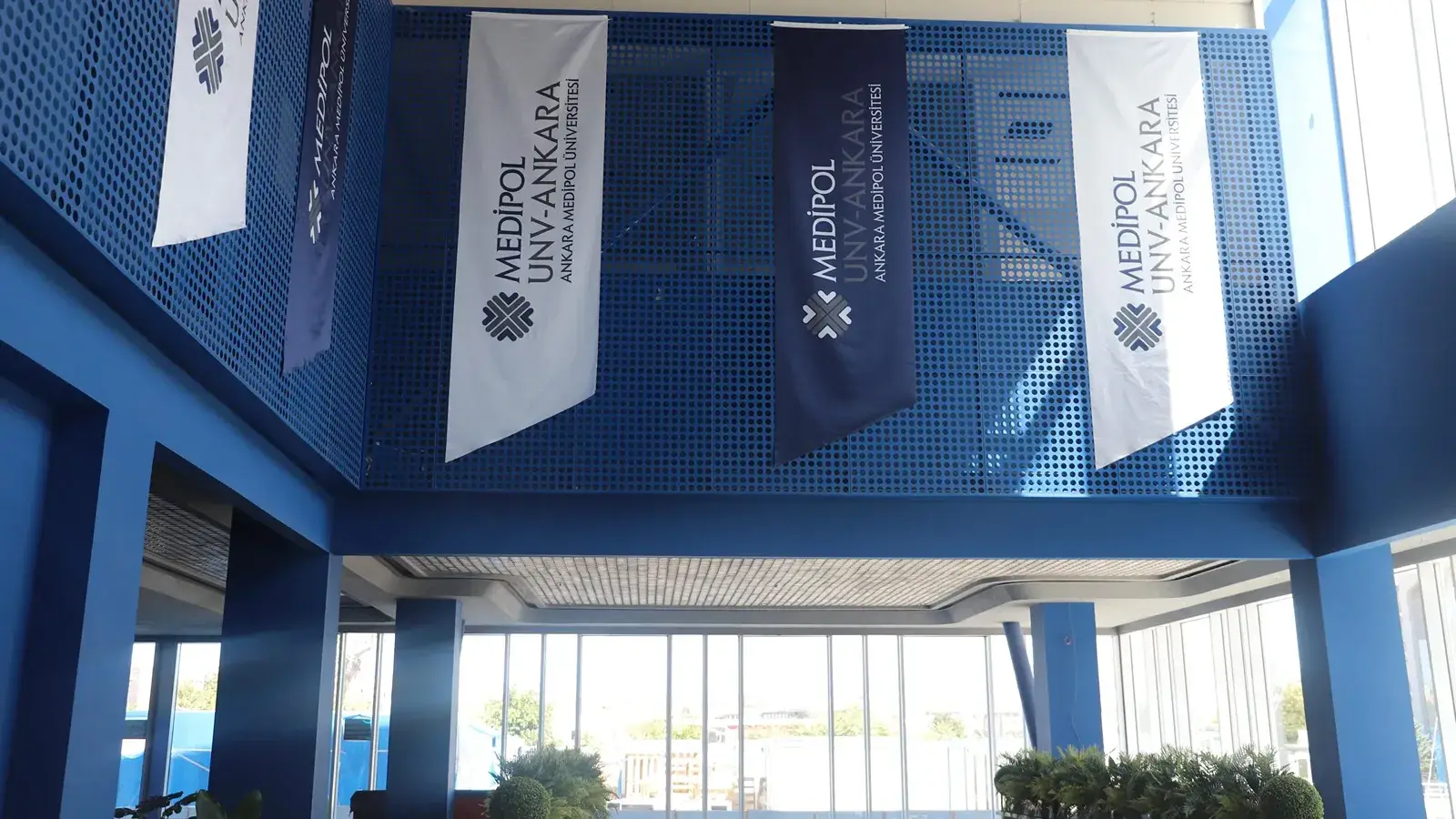
This guide walks through everything a prospective student needs to weigh: who the program is for, what you actually study, the honest truth about the language and clinical realities, the real costs of studying and living in Ankara, how recognition and professional practice work, the admission and visa steps, and where the qualification can take you afterwards. The aim is a realistic picture, not a sales pitch, so you can decide whether this path fits your goals.
Who This Program Is For
A bachelor’s in language and speech therapy is a four-year undergraduate health degree that prepares you to become a speech and language therapist, a clinical professional who assesses, diagnoses, and treats disorders of communication, speech, language, voice, fluency, and swallowing, in both children and adults. It combines health and medical science with the specific knowledge and clinical skills of the profession, and it includes substantial supervised clinical practice. It suits people drawn to a caring, health-focused profession who want to help others in a direct and meaningful way.
This program suits several kinds of people. It suits those with a genuine desire to help people overcome difficulties and improve their lives, combined with an interest in communication, language, and human health. It suits people who are patient, empathetic, and good at building relationships, since the work involves close, often long-term, work with patients and families. It suits those interested in the science of communication and the health professions, who want a clinical career grounded in both. And it suits people who want a respected, in-demand healthcare profession with clear purpose and steady opportunity.
It is essential to be honest about the central realities of this field, which we return to in detail below. Language and speech therapy is a clinical health profession, which means it is regulated, requires clinical training and competence, and, crucially, is deeply tied to language, since you will be assessing and treating people’s communication in their own language. This makes the field most suited to people who are committed to clinical healthcare work and who have, or will develop, the strong command of the language of their patients that the profession demands. For someone with that commitment and the right temperament, it is a deeply rewarding career; understanding these realities from the start is essential.
Why Study Language and Speech Therapy in Ankara
Ankara, Türkiye’s capital, is a major centre of health education and healthcare, home to leading universities, hospitals, and health institutions. For a clinical health profession that depends on quality teaching and supervised clinical placements, studying in a city with a strong health education sector and abundant clinical settings offers a sound foundation. Türkiye has invested significantly in health and health education, and speech and language therapy is a growing and increasingly recognised profession within its healthcare system.
The field is also well established and widely available in Türkiye. While this guide focuses on the Ankara option, language and speech therapy is offered at many universities across the country, reflecting its status as a recognised and in-demand health profession. This breadth means a developed academic field with established programs, and growing professional recognition and opportunity within the Turkish healthcare system.
The cost picture is favourable. Compared with studying speech and language therapy in Western countries, where such health degrees can be expensive, Ankara is markedly more affordable, with tuition in our catalogue around $4,000 a year. When you add a cost of living lower than most Western capitals, and often somewhat lower than Istanbul, the total cost of this four-year health degree is manageable. For students seeking an affordable route into a respected healthcare profession, this is attractive.
Finally, there is the broader context. Speech and language therapy is a profession with growing demand, as awareness of communication and swallowing disorders increases and as healthcare systems recognise the importance of these services for children and adults alike. It offers meaningful, people-centred work with clear social value and steady opportunity. Studying it in Türkiye, within a developing healthcare system and a well-established academic field, positions you within a profession on the rise, for those who intend to practise within the relevant healthcare and language context.
Is a Bachelor’s in Language and Speech Therapy Worth It?
Whether a degree is “worth it” depends on your goals, your starting point, and the alternatives. For language and speech therapy, the honest answer is that it is worth it for people genuinely drawn to a caring clinical profession, who are committed to the language and clinical realities it involves, and who want meaningful, in-demand healthcare work.
On the positive side, this is a respected health profession with growing demand and clear purpose. Speech and language therapists do meaningful, people-centred work that directly improves lives, which many find deeply fulfilling. The profession offers steady opportunity, since communication and swallowing disorders affect people across all ages and the need for these services is increasingly recognised. The degree provides a clear, structured path into a defined profession, combining science, health, and human connection, and the affordability of studying in Türkiye improves the return for a four-year health degree.
On the realistic side, weigh several things honestly. This is a clinical, regulated profession, so it requires clinical competence, professional registration, and meeting the requirements of the healthcare system where you practise. It is deeply tied to language, since you assess and treat communication in patients’ own language, which has major implications discussed below. The work is also emotionally engaged and requires patience, empathy, and resilience, as you work closely with people facing real difficulties. Approached by someone committed to clinical healthcare, suited to caring work, and prepared for the language realities, it is a deeply worthwhile and rewarding profession. Approached without that commitment or the necessary language foundation, it would be a difficult fit. The clearer your commitment and suitability, the better the return.
How Long Is the Program and How Is It Structured?
A bachelor’s in language and speech therapy in Türkiye is a four-year program, the standard length for a Turkish undergraduate health degree. It combines academic study of the health and communication sciences with the specific knowledge and clinical skills of the profession, and crucially includes substantial supervised clinical practice, building from foundational knowledge toward clinical competence over the four years.
The early years typically establish the foundations: the relevant health and medical sciences, including anatomy and physiology relevant to speech, hearing, and swallowing, the science of communication and language, and the foundations of the disorders the profession addresses. As the program progresses, you move into the specific clinical knowledge and methods of assessing and treating the range of communication and swallowing disorders, in both children and adults.
A defining feature of this profession’s education is its substantial clinical component. Becoming a speech and language therapist is not only about academic knowledge but about clinical competence, developed through supervised practice with real patients in clinical settings. This clinical training, working with patients under supervision, is central to the degree and to becoming a capable practitioner, and it is part of why the language and clinical realities matter so much, since you practise with real patients in their own language. When you consider a program, look closely at the clinical training it provides and the clinical settings it connects to, since this hands-on experience is essential to the profession.
What You Study
The exact curriculum varies, but a bachelor’s in language and speech therapy covers a recognisable core combining health science with the clinical knowledge and skills of the profession. The subjects below appear, in some form, across most programs.
Anatomy, physiology, and the health sciences ground you in the structures and systems involved in speech, hearing, language, and swallowing, the medical and scientific foundation the profession builds on.
The science of speech, language, and communication covers how communication works, including the linguistic, cognitive, and physical processes involved, which underpins understanding and treating disorders.
Communication and swallowing disorders are the heart of the field, covering the range of conditions the profession addresses, in children and adults, from developmental language and speech disorders to acquired conditions following stroke or injury, voice and fluency disorders, and swallowing difficulties.
Assessment and diagnosis teach you how to evaluate communication and swallowing, identify disorders, and determine their nature and severity, the essential first step in clinical care.
Therapy and intervention cover the methods and approaches used to treat the various disorders, helping patients improve their communication and swallowing, which is the core therapeutic work of the profession.
Working with specific populations addresses the particular needs of different groups, such as children with developmental disorders, adults recovering from stroke or injury, and others, since approaches differ across populations and conditions.
Clinical practice and supervised placements are the practical backbone of the degree, applying knowledge with real patients under supervision in clinical settings, where clinical competence is genuinely built.
Professional and ethical practice ground you in the standards, responsibilities, and ethics of a clinical health profession, essential given the care of vulnerable patients. If you are interested in related caring and health-focused fields, our guide to studying psychology in Turkey covers a related path concerned with human wellbeing.
Language and Clinical Reality: An Honest Look
This is the most important practical section of the guide, because language and speech therapy involves two realities that are especially central: the language, and the clinical and regulated nature of the profession.
First, and most importantly, language. The programs in our catalogue, including the Ankara option, are predominantly Turkish-taught, but the deeper issue is the nature of the profession itself. A speech and language therapist assesses and treats people’s communication, in their own language, working with the sounds, words, grammar, and meaning of that language to help patients overcome their difficulties. This makes the profession exceptionally language-dependent, far more so than most health fields. To practise as a speech and language therapist with Turkish-speaking patients, you need a native or near-native command of Turkish, since you are working directly with the Turkish language to assess and treat communication. The language is not a medium for the work; in large part it is the substance of the work.
Second, language and speech therapy is a clinical, regulated health profession. Practising involves not only the degree but clinical competence developed through supervised training, and professional registration or licensing within the healthcare system. The degree, with its clinical placements, is the essential foundation, but professional practice operates within the requirements of the healthcare system where you work. The profession is tied to a specific healthcare and, above all, language context.
Putting these together, the honest takeaway is that this field realistically suits people who have, or will develop to a native or near-native level, the command of Turkish that treating Turkish-speaking patients requires, and who are committed to clinical healthcare practice within the Turkish system. For a fluent Turkish speaker drawn to clinical care, it is a meaningful and rewarding profession. For someone without that depth of Turkish, the core of the profession, working clinically with the Turkish language, would be extremely difficult, regardless of academic ability. We say this plainly because the language requirement here is unusually fundamental. If you would like an honest assessment of whether your language background and goals fit this profession, you can contact us and we will tell you straight.
Universities Offering Language and Speech Therapy: Tuition Compared
Here is the Ankara option in our catalogue, alongside a sample of the many other universities offering the field across Türkiye, with their levels, language, and tuition. The field is widely available, so this is a selection rather than the full list.
| University | City | Language | Levels | Tuition/yr |
|---|---|---|---|---|
| Ankara Medipol University | Ankara | Turkish | Bachelor | $4,000 |
| Biruni University | Istanbul | English/Turkish | Bachelor | $4,000 |
| Fenerbahce University | Istanbul | Turkish | Bachelor | $3,150 |
| Istanbul Atlas University | Istanbul | Turkish | Bachelor, Master | $4,050 to $13,500 |
| Istanbul Gelisim University | Istanbul | Turkish | Bachelor | $3,500 |
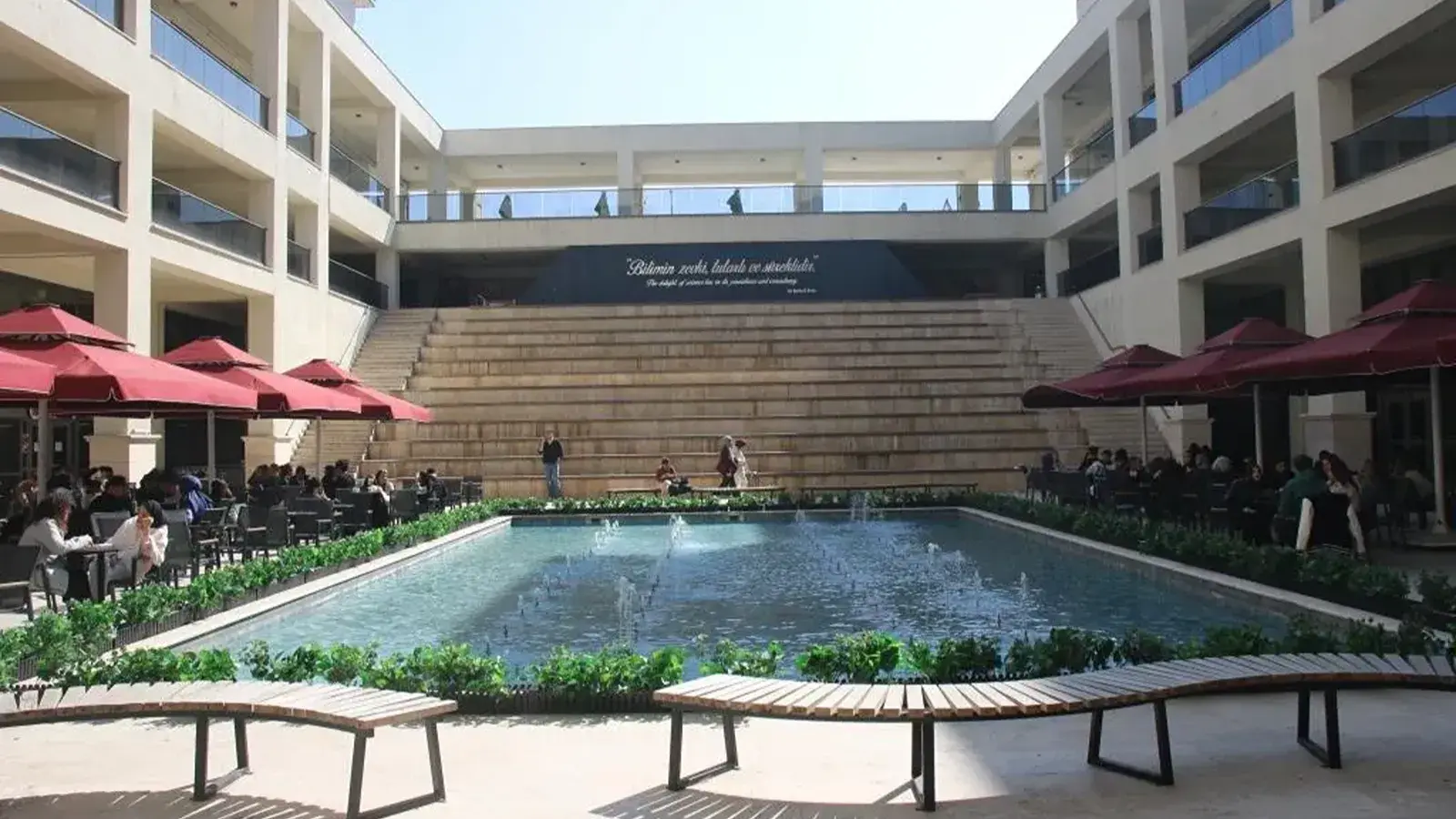
For the Ankara option that this guide focuses on, Ankara Medipol University offers the bachelor’s in Turkish at around $4,000 a year, in the capital’s strong health education environment. The field is widely offered across Türkiye, with many options in Istanbul and elsewhere, including Biruni University, which offers an English and Turkish option, and several others at a range of affordable prices, plus master’s-level study at some universities for those who want to specialise further. Because the field is so widely available, our catalogue lists many more options than shown here. The full, filterable list, where you can compare all of them by city, level, and cost, is in the programs explorer.
Tuition Fees in Ankara (2026)
For the 2026 intake, tuition for the bachelor’s in language and speech therapy at Ankara Medipol University in our catalogue is around $4,000 per year. Across the many universities offering the field nationally, tuition generally ranges from around $3,000 to $5,000 a year at bachelor’s level, with master’s-level options reaching higher. These are affordable figures for a four-year health degree, and notably lower than studying speech and language therapy in Western countries.
A few things are worth understanding about these numbers. First, they are annual figures, so a four-year bachelor’s costs roughly four times the yearly amount, before living expenses. Second, tuition can change from year to year, and the exact fee may depend on any institutional discounts and scholarships, so always confirm the current figure directly and ask about available reductions. Third, because the field is so widely offered, there is a range of options at different price points and locations, so it is worth comparing across universities to find the program that best matches your needs and budget.
For a fuller picture of how fees and funding work across Turkish universities, including the kinds of discounts and scholarships that are sometimes available, see our dedicated guide to scholarships and tuition. It is worth reading before you make a final decision, because the headline tuition is not always the whole story.
Cost of Living for Students in Ankara
Tuition is only one part of your budget. Ankara, as the capital and a major city, has living costs broadly comparable to other large Turkish cities, and often somewhat lower than Istanbul. As a rough guide, a student in Ankara can expect to spend somewhere between $400 and $650 a month on living costs, depending heavily on lifestyle and, above all, on accommodation. Over a year, that works out to roughly $4,800 to $7,800, which for a four-year degree is a significant total, so it deserves careful planning.
Accommodation is the biggest single variable. University dormitories and shared flats are the most economical options, while a private apartment in a central, sought-after area costs considerably more. Where you live also affects your transport costs and, relevantly for a clinical program, your proximity to the clinical placement settings your training involves. Food is reasonable if you cook and shop at local markets, and more expensive if you eat out frequently. Public transport in Ankara is good and student discounts help keep costs down. As the capital, Ankara offers a substantial student population and the amenities of a major city, often at a slightly lower cost than Istanbul.
Other regular expenses include health insurance, which is required for your residence permit, mobile and internet, books, and personal spending. None of these is individually large, but together they add up over four years, so build them into your plan. The overall message is that Ankara is affordable by the standards of major international cities, and somewhat cheaper than Istanbul, but “affordable” still means budgeting carefully and being realistic about how your choices, especially housing, drive your monthly total.
Scholarships and Funding
Funding for study in Türkiye comes from several directions, and it is worth understanding the landscape before assuming you will pay full price. The most prominent government scheme is Türkiye Bürsları, the national scholarship program, which is competitive and covers tuition along with a stipend and other benefits for successful applicants. For a strong health-sciences student, it is well worth investigating, though you should not count on it given how competitive it is.
Beyond the national scheme, individual private universities frequently offer their own tuition discounts and merit-based scholarships. These vary by institution and year and are often conditional on your academic record, so it is always worth asking the university directly what is available for your specific program. Because the field is offered at so many universities, comparing the discounts and scholarships available across them can be worthwhile, as the effective cost can vary.
For a thorough overview of the options, eligibility, and how to approach funding strategically, read our guide to scholarships and tuition. And if you would like personalised help identifying which funding routes realistically fit your background, you can book a free consultation and we will talk it through honestly.
Recognition and Professional Practice: An Honest Look
Recognition matters in a clinical health profession, and it has two parts: the academic recognition of the degree and the professional requirements to practise. The universities in our catalogue are recognised by YÖK, the Council of Higher Education, so a language and speech therapy degree from them is a legitimate, accredited Turkish health qualification, recognised internationally as such.
But academic recognition is only part of the picture for a clinical profession. Speech and language therapy is a regulated health profession, and practising involves clinical competence, developed through the supervised training the degree provides, and professional registration or recognition within the healthcare system. The degree, with its clinical placements, is the essential foundation, but practising as a professional therapist operates within the requirements of the relevant healthcare system. Anyone serious about the profession should understand the path to professional practice within the system where they intend to work.
The international dimension is especially important here, and it connects back to language. Speech and language therapy is exceptionally tied to language and to a specific healthcare system. A qualification focused on therapy in Turkish, within the Turkish healthcare system, is most directly relevant for practising in that context. If you intended to practise in another country and another language, you would face not only that country’s recognition and licensing requirements but the fundamental reality that the profession is conducted in the patients’ language. The honest conclusion is that this qualification is most valuable for practising as a speech and language therapist in a Turkish-language and Turkish-healthcare context. For someone committed to that, it is a strong path; understanding the language and professional realities is essential to pursuing it well.
Admission Requirements
Admission requirements vary, but for a bachelor’s in language and speech therapy you can generally expect the following. You need a high school diploma and to meet the university’s entry criteria, and a good academic background, particularly in science, is helpful given the health-science nature of the field. As a health program, it is often competitive, so a strong academic record strengthens your application.
You will need to submit your academic transcripts and high school diploma. Because the programs are predominantly Turkish-taught and, more fundamentally, the profession is conducted in Turkish, demonstrating strong Turkish is essential, and given the language-centred nature of the profession, the practical bar is high, as discussed above. Some programs may have additional requirements given the clinical and competitive nature of the field.
Other common elements include a copy of your passport and passport-style photographs. Requirements differ between institutions and can change between intakes, so always confirm the current, exact list with the university or with us before you assemble your file. Given the language realities and the clinical, regulated nature of the profession, an honest early assessment of fit is especially valuable. If you would like help checking your eligibility, including a candid view on the language requirement, get in touch and we will give you a straight assessment.
How to Apply: Timeline
While exact dates vary, a realistic timeline looks something like this. Start your research roughly nine to twelve months before you intend to begin, comparing the many programs available, honestly assessing your Turkish against the profession’s demands, and considering the clinical and professional realities of the field. If you need to strengthen your Turkish, factor that into your schedule.
Six to nine months before you start, prepare your documents. Gather and, where required, translate and certify your transcripts and high school diploma, sort out your passport, and prepare any other required materials. If you are applying for scholarships such as Türkiye Bürsları, note that these often have their own earlier deadlines, so check them well in advance and do not let them slip past.
Three to six months before, submit your applications. Many private universities have rolling or multiple intake windows, but applying earlier gives you more time for the visa and residence steps. Once you receive an offer and an acceptance letter, you move into the visa and travel phase, which we cover next. Throughout, keep digital and physical copies of everything, and confirm each requirement directly with the university. If managing this feels overwhelming, that is exactly the kind of thing we help with, so reach out and we can guide you step by step.
Student Visa and Residence Permit
Once you have an official acceptance letter from a Turkish university, the visa and residence process follows a well-trodden path, but it requires attention to detail and timing. The first step for most international students is to apply for a student visa at the Turkish embassy or consulate in your home country. You generally cannot enter Türkiye to study long-term on a tourist arrangement and then convert it, so the student visa from your home country is the proper route. You will need your acceptance letter, a valid passport, proof of funds, and the other documents the consulate specifies.
After you arrive in Türkiye and settle in, you must apply for a residence permit, the ikamet, within the period set by the authorities. This legalises your stay for the duration of your studies and will need renewing across a four-year degree. The application involves registering with the migration authority, providing your acceptance and enrolment documents, proof of accommodation, valid health insurance, and the relevant fees. Your university’s international student office is usually a major help here and handles these applications routinely for incoming students.
The two pieces of advice that matter most are to start early and to keep your documents in order, and across a four-year degree, to stay on top of renewal deadlines. Keep multiple copies of everything, follow the instructions your university gives you, and ask for help when you are unsure. If you want a clearer overview of what studying in Türkiye involves end to end, our study in Turkey guide pulls the practical pieces together in one place.
Careers After a Bachelor’s in Language and Speech Therapy
A bachelor’s in language and speech therapy leads directly to a career as a speech and language therapist, a respected health profession with growing demand. Therapists work in a range of settings: hospitals, where they help patients recovering from stroke, injury, or surgery affecting communication or swallowing; rehabilitation centres; clinics; schools and special education settings, working with children with developmental and learning-related communication difficulties; and early intervention services for young children. The breadth of settings and the range of patients, from children to the elderly, gives the profession variety and steady demand.
The conditions speech and language therapists address are wide-ranging: developmental speech and language disorders in children, communication difficulties following stroke or brain injury, voice disorders, stuttering and fluency disorders, hearing-related communication difficulties, and swallowing disorders. As awareness of these conditions grows and healthcare systems increasingly recognise the importance of these services, demand for qualified therapists continues to rise, making this a profession with strong and growing opportunity.
For those who wish to specialise or advance, master’s-level study is available at some universities, allowing deeper specialisation in particular areas or populations, and supporting roles in research, teaching, and senior clinical practice. It is honest to repeat the central realities: this is a clinical, regulated profession conducted in the patients’ language, so its career relevance is greatest within the Turkish-language and Turkish-healthcare context, and professional practice involves meeting the system’s requirements. For someone committed to clinical care, suited to caring work, and equipped with the necessary command of Turkish, it offers a meaningful, respected, and in-demand career helping people communicate and live more fully. As always, plan with a clear understanding of the language and professional realities and the context in which you intend to practise.
How to Choose the Right Program
Choosing well begins, more than in most fields, with an honest assessment of fit, particularly your command of Turkish and your suitability for clinical caring work, since these determine whether the profession is realistic for you. If you have the native or near-native Turkish the profession requires and are committed to clinical healthcare, the field is open to you; if not, a frank conversation about whether it fits is the better starting point.
Assuming the fit is right, the breadth of options is an advantage: with the field offered at many universities, you can compare programs to find the best match. Look closely at the clinical training and placements each program provides, since clinical competence is central to the profession and good placements are essential. Consider the program’s reputation and its connections to clinical settings, hospitals, and health institutions, which shape the quality of your training and your opportunities.
Then weigh the practical factors: total cost including living expenses, which varies across the many options, the location, comparing Ankara with the other cities where the field is offered, the scholarships available, and the campus and clinical facilities. And reflect honestly on your suitability for the profession, your language, your temperament for caring work, and your commitment to a clinical path, which matter as much as any academic factor. If you would like a second opinion that weighs all of this against your particular situation, that is precisely what we do, so book a free consultation.
Common Mistakes Applicants Make
A few recurring mistakes are worth flagging. By far the biggest, and the one most specific to this field, is underestimating the language requirement. Speech and language therapy is exceptionally language-dependent, since you assess and treat communication in the patients’ own language, requiring a native or near-native command of Turkish to practise with Turkish-speaking patients. Applicants sometimes underestimate just how fundamental this is. Be honest about your Turkish, because it is central to whether you can practise the profession at all.
A second mistake is not understanding the clinical, regulated nature of the profession. This is a clinical health profession requiring clinical competence and professional registration within the healthcare system, not just academic study. Understand the path to professional practice within the system where you intend to work. A third mistake is underestimating the demands of caring clinical work, which requires patience, empathy, and resilience as you work closely with people facing real difficulties. Reflect honestly on your suitability for this kind of work.
Other frequent missteps include budgeting only for tuition and forgetting living costs over four years, leaving applications and scholarship deadlines too late, and, given the breadth of options, not comparing programs carefully on clinical training and quality. Finally, many applicants fail to confirm current details directly with the university. Fees, requirements, and intake dates change, so always verify before you commit. Avoiding these mistakes, above all the language one, will save you significant time and disappointment.
Related Programs You Might Consider
If you are weighing language and speech therapy against neighbouring fields, several of our other guides may help you compare. If you are drawn to the mind, behaviour, and mental processes, which connect to communication and its disorders, our guide to studying psychology in Turkey covers a related field concerned with human wellbeing. If you are interested in the brain and nervous system underlying communication, our guide to neuroscience in Istanbul covers a related scientific path, though a research rather than clinical one.
If your interest is more broadly in the caring health professions, our guide to studying nursing in Turkey covers another hands-on clinical caring profession, and if it is in supporting people through difficulty more broadly, our guide to social services in Istanbul explores a related caring field. Reading across these guides can help you confirm that language and speech therapy really is the right fit, or point you toward a neighbouring field. The programs explorer lets you compare all of these side by side.
Frequently Asked Questions
Do I need to speak Turkish fluently to study and practise this?
Effectively yes, to a native or near-native level, to practise. Speech and language therapy is exceptionally language-dependent, since you assess and treat people’s communication in their own language, working directly with the Turkish language to help Turkish-speaking patients. The programs are also predominantly Turkish-taught. This is the single most important factor to weigh honestly, because strong Turkish is fundamental to whether you can practise the profession.
Is language and speech therapy a clinical health profession?
Yes. It is a regulated clinical health profession that assesses, diagnoses, and treats disorders of communication, speech, language, voice, fluency, and swallowing in children and adults. The degree includes substantial supervised clinical practice, and practising professionally involves clinical competence and registration within the healthcare system, not just academic study.
How much does it cost?
In our catalogue, the bachelor’s at Ankara Medipol University is around $4,000 a year, and across the many universities offering the field nationally, bachelor’s tuition generally ranges from around $3,000 to $5,000 a year, with master’s options higher. On top of tuition, budget around $400 to $650 a month for living costs in Ankara. The field is widely offered, so it is worth comparing options. Always confirm current fees directly.
Where is the field offered, and is Ankara a good choice?
The field is widely offered across Türkiye, with options at many universities in Ankara, Istanbul, and elsewhere. Ankara, as the capital with a strong health education sector and abundant clinical settings, is a good choice, and Ankara Medipol University offers the bachelor’s there. Because the field is so widely available, it is worth comparing programs across cities on clinical training, cost, and quality.
What kind of work will I do as a speech and language therapist?
You will assess and treat disorders of communication and swallowing in children and adults, working in settings such as hospitals, rehabilitation centres, clinics, schools, and early intervention services. You might help a child with a developmental language disorder, an adult recovering communication after a stroke, someone with a voice or fluency disorder, or a patient with swallowing difficulties. It is varied, people-centred clinical work.
Is this a good career with good prospects?
For the right person, yes. Speech and language therapy is a respected health profession with growing demand, as awareness of communication and swallowing disorders increases and healthcare systems recognise the importance of these services. It offers meaningful work and steady opportunity. However, it is tied to the patients’ language and the healthcare system, so its prospects are strongest for those practising within the Turkish-language and Turkish-healthcare context.
Can I practise in another country with this qualification?
The profession is exceptionally tied to language and to a specific healthcare system, so a qualification focused on therapy in Turkish, within the Turkish system, is most directly relevant for practising in that context. Practising elsewhere would involve another country’s recognition and licensing requirements and, fundamentally, conducting therapy in that country’s language. If your goal is to practise in a Turkish-language context, this is the right path; for elsewhere, research that context’s requirements and language realities.
Choosing where and how to study language and speech therapy is a significant decision, and in this field the question of language is unusually fundamental to whether you can practise the profession. If you would like honest, personalised guidance on whether this path suits your background, language, and goals, book a free consultation. You can also browse and compare every option, including the many universities offering the field, in our programs explorer.
Have a question about this article?
Our advisors will guide you for free so you can choose the best path.
Get a free consultationWhy students choose us
Real partnerships, honest pricing, and support that doesn't stop at admission.
Scholarships & smart discounts
We match you with merit scholarships (often 25–100%) plus sibling and early-payment discounts, so you pay the lowest fair price for your program.
Free, end-to-end guidance
As an authorized agent, our advice and application support cost you nothing. We prepare and submit everything for you — no guesswork.
57 partner universities
Direct partnerships across Türkiye and Northern Cyprus with 5,500+ programs. We find the program that fits you, not just any offer.
Transparent, honest fees
Every tuition figure comes straight from our live catalog and is shown upfront. No hidden costs, no surprises before you commit.
No entrance exam needed
Most private universities admit you on your academic record — many fully in English — so you can apply without YÖS or SAT.
With you to visa & arrival
From choosing a program to your student visa, residence permit and settling in, we stay by your side at every step.