
International trade sits at the heart of Türkiye’s economy, so it is no surprise that a Master’s in International Trade is one of the most practical postgraduate routes the country offers. Across our catalogue there are 26 master’s programs in international trade at 13 universities, with tuition from roughly $2,100 to $14,000 a year and both English- and Turkish-taught options.
This complete 2026 guide is written for international students who are seriously considering an international trade master’s in Türkiye. It covers why the country is such a smart choice for this field, exactly what the curriculum looks like, which universities offer the degree and at what price, the scholarships that bring costs down, the admission requirements and visa process, and the careers a Master’s in International Trade can lead to. Wherever you see a university name, you can click straight through to its full profile, and you can compare every program side by side in our programs explorer.
Why Study International Trade in Türkiye in 2026
Türkiye is a natural bridge between Europe, the Middle East and Central Asia, and one of the world’s larger exporting nations. It has been in a Customs Union with the European Union since 1995, runs major ports in Istanbul, Mersin and Izmir, and has a fast-growing logistics, freight and e-commerce sector. Studying international trade here means learning the subject where it actually happens, often from faculty who consult for exporters, banks and logistics firms, and alongside classmates from dozens of trading nations.
The financial case is just as strong. Tuition for a Master’s in International Trade in Türkiye is a fraction of what comparable programs cost in Western Europe, North America or Australia, and the cost of living is lower too. Add hundreds of English-taught options, a large and welcoming international student community, a warm climate, modern campuses and globally recognised degrees, and Türkiye becomes one of the best value-for-money destinations in the world for a trade-focused master’s.
There is also a practical career angle that students often underestimate. Turkish exporters, freight forwarders, customs brokerages, banks and the regional supply-chain teams of multinationals all actively recruit graduates who understand cross-border commerce. A degree earned inside that ecosystem carries real weight with local and regional employers, and the professional network you build during the program frequently turns into your first job.
Is a Master’s in International Trade in Türkiye Worth It?
For most international students, the honest answer is yes, provided you choose the right program for your goals. The return on investment is unusually favourable because the upfront cost is so low. A one-to-two-year master’s that might cost $60,000 or more in the United Kingdom or the United States can be completed in Türkiye for a few thousand dollars in tuition plus modest living costs, while still earning you an internationally recognised qualification that follows the European Bologna framework.
The degree is also genuinely useful rather than purely academic. International trade is a field where employers value applied knowledge, customs and Incoterms literacy, trade-finance fundamentals and supply-chain understanding, and Turkish programs lean heavily into these practical skills. If your aim is to enter or advance within exporting, logistics, procurement or trade finance, the qualification pays for itself quickly. If your aim is academic, the thesis track keeps the door to a PhD wide open. The main situations where it might not be worth it are if you need a specific professional licence that your home country only recognises from local universities, which is why we always check recognition for your target country before you enrol.
International Trade Master’s Programs in Türkiye: What You’ll Study
A Master’s in International Trade blends economics, law, finance and logistics into a single, career-focused qualification. The exact mix depends on the university and the specialisation you choose, but the core is remarkably consistent across the country, which makes programs straightforward to compare.
Core Modules and Curriculum
Most programs cover international trade theory and policy, customs and foreign-trade regulation, trade finance and payment methods (letters of credit, Incoterms and documentary collections), logistics and supply-chain management, international marketing and international trade law. You will typically also study research methods, international economics and the regulatory environment of the World Trade Organization and regional trade agreements. Many programs include a real-world element such as an internship, a company project or a capstone consulting assignment with a local exporter, which is where a lot of the practical learning and networking happens.
International Trade Specialisations Explained
The specialisations available in our catalogue let you tilt the degree toward a particular career path:
- International Trade is the broad, general track, covering the full cycle of cross-border commerce.
- International Trade and Logistics focuses on freight, warehousing, customs clearance and supply-chain design, which is ideal if you want to work in the logistics sector that Türkiye is rapidly building out.
- International Trade and Finance leans into trade finance, foreign exchange, payment instruments and risk, a strong fit for banking and corporate-treasury roles.
- International Trade and Business blends trade with general management, useful if you want a broader commercial role.
- International Trade Law concentrates on the legal side of cross-border contracts, customs disputes and commercial arbitration.
- International Trade Management is the managerial track, preparing you to lead export departments and trade operations.
How Long Is an International Trade Master’s?
Most international trade master’s in Türkiye run between 1.5 and 2 years. The non-thesis route is usually around three semesters of coursework plus a project, while the thesis route adds a research dissertation and a defence. Part-time and evening options exist at several universities for students who want to work while they study, and a few programs can be completed slightly faster if you carry a full course load.
English-Taught vs Turkish-Taught International Trade Master’s
Language is the first thing international students ask about, and the good news is that you do not need Turkish to study international trade in Türkiye.
Studying in English
Of the 26 programs in our catalogue, 5 are taught fully in English, which is ideal if your Turkish is not yet exam-ready. The English-taught master’s in international trade are at:
- Istanbul Okan University, International Trade, $5,000 to $6,000 for the whole program
- Yaşar University in Izmir, International Trade and Finance, $7,200 a year
- Eastern Mediterranean University in Northern Cyprus, International Trade and Business, $8,360 a year
For these programs you will usually need to show English proficiency through IELTS or TOEFL, although many universities accept their own internal English placement test instead, which can save you time and money.
The Turkish Preparatory Year (Hazırlık)
The remaining programs are taught in Turkish. If you would like to study in Turkish but are not fluent yet, most universities offer a one-year Turkish preparatory year (hazırlık) before the master’s begins, with a placement test to confirm your level. This is a popular route for students who want to graduate with both a qualification and working Turkish, which is a genuine advantage if you plan to build a career inside Türkiye’s trade sector.
International Trade Master’s Universities in Türkiye: Tuition Compared
The table below lists every university in our catalogue that offers a Master’s in International Trade, with the city, program name, language of instruction and annual tuition. Click any university name to open its full profile, campus details and complete program list.
| University | City | Program | Language | Tuition (USD/yr) |
|---|---|---|---|---|
| Altinbas University | Istanbul | Trade Law | Turkish | $5,865 |
| Bahcesehir University | Istanbul | Trade Law | Turkish | $12,000-14,000 |
| Beykoz University | Istanbul | Trade & Logistics | Turkish | $2,100-3,000 |
| Halic University | Istanbul | Trade & Business | Turkish | $6,000-7,500 |
| Istanbul Arel University | Istanbul | Trade & Finance / Trade & Logistics | Turkish | $3,000-4,000 |
| Istanbul Gedik University | Istanbul | International Trade | Turkish | $2,875-3,150 |
| Istanbul Gelisim University | Istanbul | Trade & Logistics | Turkish | $3,750-4,500 |
| Istanbul Nisantasi University | Istanbul | Trade & Finance | Turkish | $3,300 |
| Istanbul Okan University | Istanbul | International Trade | English / Turkish | $3,500-6,000 (whole program) |
| Maltepe University | Istanbul | Trade Management | Turkish | $2,500-3,500 |
| Eastern Mediterranean University | Cyprus | Trade & Business | English | $8,360 |
| Hasan Kalyoncu University | Gaziantep | Trade & Logistics | Turkish | $2,250 |
| Yaşar University | Izmir | Trade & Finance | English / Turkish | $7,200 |
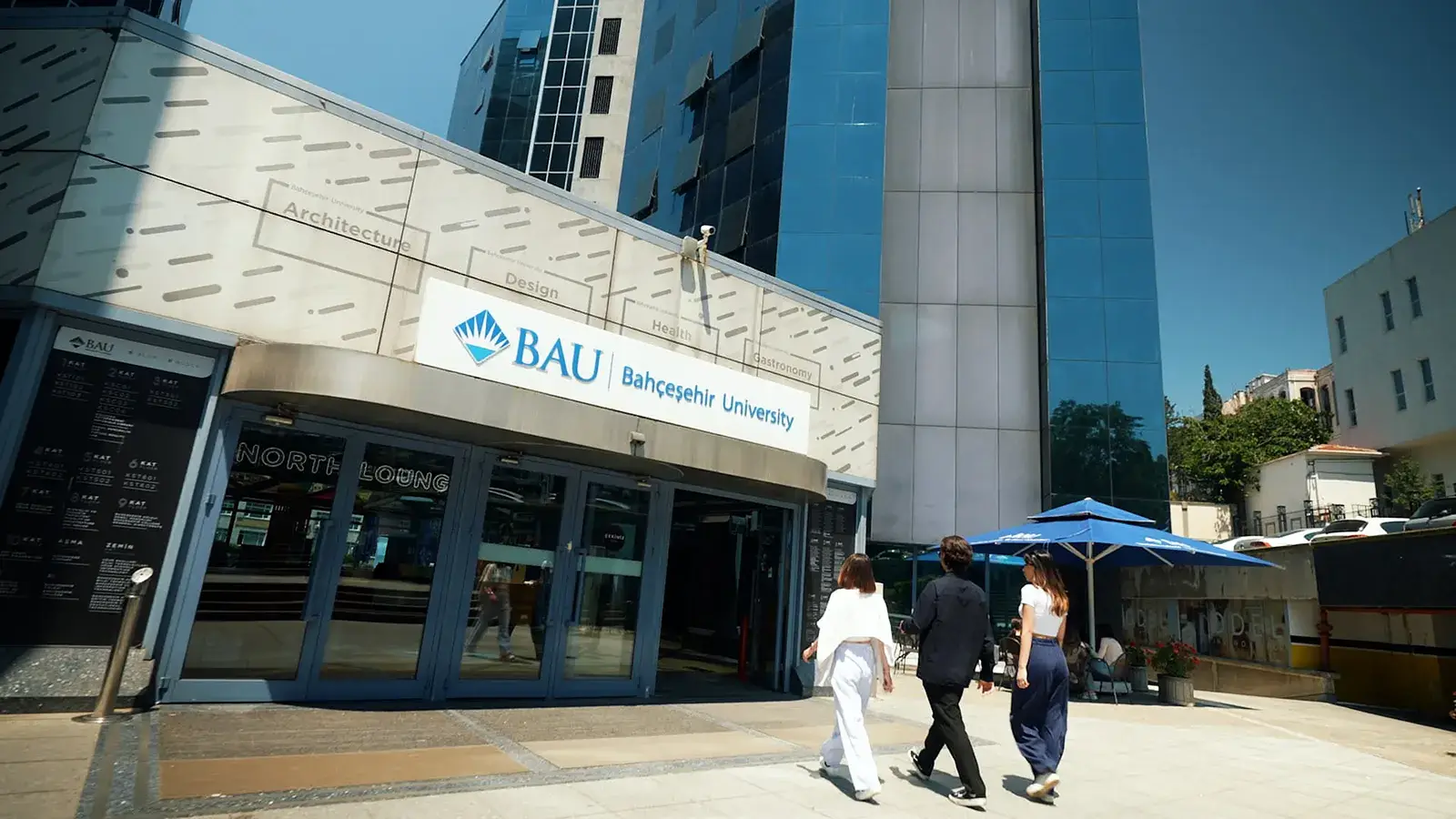
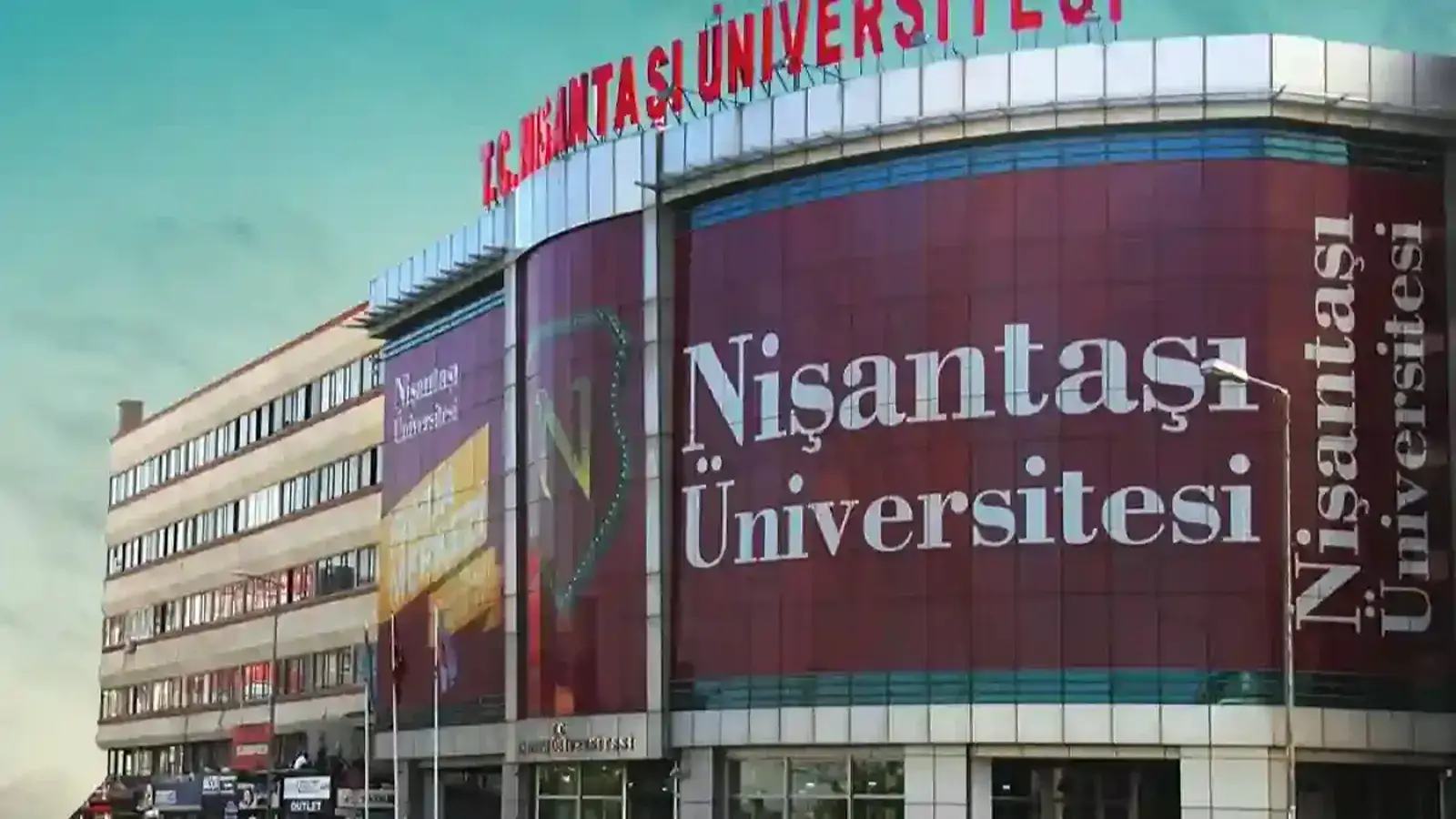
Tuition figures are per year, and ranges reflect the difference between the non-thesis and thesis tracks. Almost all of these programs are in Istanbul, with English-taught options also in Izmir (Yaşar) and Northern Cyprus (Eastern Mediterranean), and a more affordable Turkish-taught choice in Gaziantep (Hasan Kalyoncu).
International Trade Master’s Tuition Fees in Türkiye (2026)
Tuition across these master’s runs from about $2,100 a year at Beykoz University to $14,000 a year for the thesis track in trade law at Bahcesehir University. For most universities you are looking at $2,500 to $4,500 a year, which makes Türkiye one of the most affordable places in the world to take a business-focused master’s taught in English.
A few patterns are worth knowing as you compare fees. Non-thesis tracks are usually a little cheaper than thesis tracks at the same university. English-taught programs sometimes cost slightly more than their Turkish equivalents. The flagship, internationally accredited universities sit at the top of the range, while younger private universities compete hard on price, often undercutting the established names by a wide margin for a very similar curriculum. Remember that the published figure is an annual fee, so multiply by the length of the program for the full tuition cost, and check whether the university quotes fees in US dollars or euros, as the Northern Cyprus universities often price in euros. For the full, filterable list of fees, use our programs explorer, where you can sort by budget.
Cost of Living for International Trade Students in Türkiye
Tuition is only part of your budget. Plan for roughly $400 to $700 a month in living costs, depending heavily on the city. Istanbul is the most expensive, especially for rent on the European side, while Izmir, Gaziantep and the Northern Cyprus cities are noticeably cheaper.
A realistic monthly breakdown for a student looks something like this. Accommodation is the biggest variable: a place in a university dormitory or a shared flat can range from around $150 to $400 a month, with private studios costing more, particularly in central Istanbul. Food is affordable if you cook and use local markets, often $150 to $250 a month, and student cafeterias on campus are heavily subsidised. Public transport is cheap, and a student transport card brings the cost of getting around down further, typically $20 to $40 a month. Add mobile data, study materials and some social life, and most students find $500 a month comfortable outside Istanbul and $600 to $700 inside it.
Many universities offer dormitories at controlled prices, and working part-time as an international student is possible with the right permits, though most students rely on savings, family support or scholarships during a one-to-two-year master’s. Our Study in Türkiye guide breaks down the full picture of costs and timelines.
Scholarships and Discounts for International Trade Master’s Students
The headline tuition is rarely what students actually pay. Most private universities offer merit scholarships of 25 to 100 percent, awarded on your previous grades and sometimes a short interview. On top of that, many universities run sibling discounts for families sending more than one student, and cash or early-payment discounts for paying a year up front.
Tip: ask about every available discount before you commit — they are not always advertised prominently, and sibling and cash discounts frequently stack on top of a merit scholarship.
These discounts can change the maths considerably. A program with a $4,500 sticker price might cost noticeably less after a merit award and a cash discount are applied, sometimes bringing the net fee close to that of the very cheapest universities. The trick is to ask about every available discount before you commit, because they are not always advertised prominently and they frequently stack. You can see the live discounts each university offers in our programs explorer, and our dedicated guide to scholarships and tuition in Türkiye explains how to combine them and what documents you will need to qualify.
Thesis vs Non-Thesis International Trade Master’s: Which to Choose
Most universities offer both a thesis and a non-thesis version of the same program, and choosing the right one matters for your goals.
A non-thesis master’s is shorter and project-based, usually finishing in around 1.5 years. It is the better fit if you want to move quickly into a trade, logistics or export role, and it is often slightly cheaper. A thesis master’s takes a little longer, includes original research and a defended dissertation, and is the right choice if you might continue to a PhD or want a research-oriented profile. As the comparison table shows, the price difference between the two tracks is usually small.
If you are unsure, a good rule of thumb is to choose the non-thesis route for a faster, more applied path into industry, and the thesis route if academia, doctoral study or a research career is on your radar. You can also start on one track and, at some universities, switch early in the program, so the decision is not always irreversible.
Accreditation and Degree Recognition in Türkiye
Recognition is a reasonable concern for any international degree, and Türkiye is on solid ground here. Every Turkish university is accredited by the national Higher Education Council (YÖK), and the country follows the Bologna Process and the ECTS credit system used across Europe. That means an international trade master’s earned in Türkiye is generally recognised across the European Union, the Middle East and many other regions, and your ECTS credits are designed to be transferable.
Some universities and programs hold additional accreditations relevant to business and trade, and the flagship institutions tend to carry the most international recognition. The one thing we always advise is to confirm recognition for your specific home country before enrolling, especially if you intend to use the degree for a regulated role there. This is part of what we check for you during the consultation, so you are never guessing about whether your qualification will be accepted where you need it.
International Trade Master’s Admission Requirements in Türkiye
Admission is straightforward and far less competitive than in many Western countries. The typical requirements for an international student are:
- A completed bachelor’s degree, in any field for many programs, though business, economics, logistics or related fields are an advantage
- An official transcript of your undergraduate grades
- A copy of your passport
- For English-taught programs, proof of English such as IELTS or TOEFL, or a pass in the university’s own placement test
- Sometimes a short statement of purpose, a CV, or one or two reference letters
📋 Application file — tick as you gather
You generally do not need the GMAT or GRE, which removes a major barrier that puts many applicants off business master’s elsewhere. We prepare and check the paperwork with you, arrange certified translations where needed, and submit the application, which removes most of the friction from the process and avoids the common mistakes that delay an offer.
How to Apply: International Trade Master’s Application Timeline
Plan to start about two to three months before your intake. Türkiye has two main intakes: Fall, which begins around September, and Spring, which begins around February. A typical timeline looks like this:
- Free consultation, where we review your background, budget and goals and suggest a realistic shortlist.
- Choose program and university, where we finalise your shortlist and confirm tuition, scholarships and language of instruction.
- Apply and receive admission, where we prepare and submit your documents and secure your official acceptance letter.
- Visa and travel, where we guide you through the student visa, the residence permit and accommodation.
Starting early matters because scholarship quotas and popular programs fill up, and because the student visa step depends on having your acceptance letter in hand. Leaving everything to the last few weeks before the semester is the single most common cause of a delayed start.
Don't leave it late: leaving everything to the last few weeks before the semester is the single most common cause of a delayed start — plan to begin two to three months before your intake.
Student Visa and Residence Permit for International Trade Students
Once you receive your acceptance letter, you apply for a student visa at the Turkish consulate in your home country. The consulate will ask for your acceptance letter, passport, photographs, proof of funds and the visa form, and we walk you through the exact list so nothing is missing. You enter Türkiye on this visa to begin your studies.
After you arrive and enrol, you convert your status into a student residence permit (ikamet), which is what allows you to stay legally for the duration of your program and to travel in and out of the country. The university’s international office helps with enrolment, and we support you through the residence-permit application, which involves an online appointment, biometric details and health insurance. None of this is difficult, but it has a specific order and specific documents, and getting them right the first time saves weeks.
Careers After an International Trade Master’s in Türkiye
A Master’s in International Trade opens doors across the cross-border economy. Common roles include export and import specialist, foreign-trade officer, logistics and supply-chain coordinator, customs and compliance specialist, trade finance analyst at a bank, freight and forwarding operations manager, and procurement or sourcing manager. The logistics and finance specialisations in particular map directly onto fast-growing job markets, both in Türkiye and across the wider region.
Türkiye’s position as a manufacturing and re-export hub means local demand is genuine, and the skills are highly portable. Graduates also work for international freight forwarders, trading houses, customs consultancies and the regional supply-chain teams of multinationals. Because trade is fundamentally an international discipline, the qualification travels well, and many graduates use it to work in their home country or a third country after gaining experience in Türkiye. A thesis-track degree additionally keeps the door open to a PhD and a research or teaching career.
Best City to Study International Trade: Istanbul, Izmir, Cyprus or Gaziantep
Where you study shapes both your experience and your job prospects, so it is worth thinking about the city as much as the university.
Istanbul is Türkiye’s commercial capital and the obvious base for a trade career, with the country’s biggest port, busiest airport and densest concentration of exporters, banks and logistics firms. The trade-off is a higher cost of living and a faster pace. Izmir, on the Aegean coast, is a relaxed, affordable port city and home to the English-taught program at Yaşar University, a great option if you want a calmer lifestyle without giving up access to a major trading port. Gaziantep in the south-east is a powerhouse of manufacturing and export, where Hasan Kalyoncu University offers a budget-friendly Turkish-taught program right inside a real industrial economy. And Northern Cyprus offers an English-medium experience by the Mediterranean sea, with Eastern Mediterranean University combining strong academics and a low cost of living.
Still weighing your options? Our post on how to choose the right university and major walks through the trade-offs step by step, and you can compare related fields like an MBA or Business Administration master’s if you are torn between trade and general management.
Tips for International Students Studying International Trade in Türkiye
A few practical pointers make the transition smoother. Apply early, because the best scholarships and the most popular programs close first. Always ask about every discount, since sibling and cash discounts are easy to miss and frequently stack on top of a merit scholarship. Budget realistically for Istanbul, where rent can be the difference between a comfortable and a stretched student life. Learn at least basic Turkish even if you study in English, because it transforms daily life and makes you far more employable in the local trade sector. Use the program’s internship or project component deliberately, as it is often where your first job offer comes from. And keep your documents, transcripts and passport scans organised from the start, because you will reuse them for admission, the visa and the residence permit.
International Trade vs an MBA or Logistics Master’s
Many students who consider an international trade master’s also look at an MBA or a logistics and supply-chain master’s, and it helps to understand how they differ. An international trade master’s is the most focused of the three on the mechanics of cross-border commerce: customs, trade finance, Incoterms, trade law and export operations. It is the best fit if you already know you want a career in exporting, foreign trade, customs or trade finance. If it is the legal machinery of cross-border commerce that draws you most, our guide to the master’s in international trade law in Istanbul covers that specialised route.
An MBA or Business Administration master’s is broader, building general management skills across marketing, finance, strategy and operations. Choose it if you want flexibility, a management track, or you are not yet certain which function you will end up in. Türkiye has 134 business master’s at 39 universities, so the choice is enormous.
A logistics and supply-chain master’s overlaps heavily with the trade-and-logistics specialisation but goes deeper on warehousing, transport networks, inventory and operations, with less emphasis on finance and law. If your interest is the physical movement of goods rather than the commercial or financial side, that may be the better fit. In practice the lines blur, and several universities let you combine elements through electives. If you are unsure, our advisors can compare specific programs side by side against your goals during a free consultation, and our guide to choosing the right university and major walks through the decision in detail.
Student Life for International Trade Students in Türkiye
Beyond lectures, student life is a big part of why international students enjoy Türkiye. Campuses are modern and social, with active student clubs, sports facilities, libraries and subsidised cafeterias, and many universities run dedicated international offices that help newcomers with everything from the residence permit to finding accommodation. Trade and business faculties often organise company visits, guest talks from industry professionals, and career fairs where exporters and logistics firms recruit directly, which is a real advantage when you are looking for that first job.
Outside campus, the cities themselves are part of the education. Istanbul puts you in one of the world’s great trading cities, where you can see global commerce in action at its ports, bazaars and business districts. Izmir offers a relaxed Aegean lifestyle, Gaziantep an authentic industrial and culinary culture, and Northern Cyprus a Mediterranean island pace. Public transport, student discounts and a low cost of living make it easy to explore, and the central location means affordable flights across Europe, the Middle East and beyond during breaks. For many students, the friendships and professional contacts made during a trade master’s, with classmates from dozens of countries, become as valuable as the qualification itself.
Frequently Asked Questions About International Trade Master’s in Türkiye
Can I study a Master’s in International Trade in English in Türkiye?
Yes. Five programs in our catalogue are taught fully in English, at Istanbul Okan University, Yaşar University and Eastern Mediterranean University. You do not need to speak Turkish to enrol in these.
How much does an International Trade master’s cost in Türkiye?
Tuition ranges from about $2,100 to $14,000 a year, with most universities between $2,500 and $4,500. Scholarships and discounts often reduce this further.
How long does the degree take?
Most programs take 1.5 to 2 years, depending on whether you choose the thesis or non-thesis track.
Do I need a GMAT or GRE?
No. Turkish universities generally do not require the GMAT or GRE for an international trade master’s.
Is the degree internationally recognised?
Yes. Turkish universities are accredited by the Higher Education Council (YÖK) and follow the Bologna Process and ECTS, so the degree is recognised across the EU, the Middle East and beyond. We confirm recognition for your specific country before you enrol.
When should I apply?
Aim to start two to three months before your intake (Fall around September, Spring around February) so there is time for admission and the student visa.
Can I work while studying?
Working part-time is possible with the right permits, but most students rely on savings, family support or scholarships during a one-to-two-year master’s. The program’s internship component is often the best route to professional experience.
Do I need to know Turkish for an English-taught program?
No, but learning basic Turkish will improve your daily life and your job prospects in the local trade sector considerably.
What jobs can I get after an International Trade master’s?
Common roles include export and import specialist, foreign-trade officer, logistics and supply-chain coordinator, customs and compliance specialist, and trade finance analyst, among others.
Want help shortlisting the right program for your budget and goals? Book a free consultation and we will match you to the universities that fit you best, or browse every option now in our programs explorer.
Have a question about this article?
Our advisors will guide you for free so you can choose the best path.
Free consultationWhy students choose us
Real partnerships, honest pricing, and support that doesn't stop at admission.
Scholarships & smart discounts
We match you with merit scholarships (often 25–100%) plus sibling and early-payment discounts, so you pay the lowest fair price for your program.
Free, end-to-end guidance
As an authorized agent, our advice and application support cost you nothing. We prepare and submit everything for you — no guesswork.
57 partner universities
Direct partnerships across Türkiye and Northern Cyprus with 5,500+ programs. We find the program that fits you, not just any offer.
Transparent, honest fees
Every tuition figure comes straight from our live catalog and is shown upfront. No hidden costs, no surprises before you commit.
No entrance exam needed
Most private universities admit you on your academic record — many fully in English — so you can apply without YÖS or SAT.
With you to visa & arrival
From choosing a program to your student visa, residence permit and settling in, we stay by your side at every step.