
Periodontology is the branch of dentistry concerned with the gums and the structures that support the teeth, including the prevention and treatment of gum disease and the placement of dental implants. A doctorate in periodontology is a postgraduate clinical specialty, the training that turns a qualified dentist into a specialist periodontist, combining advanced clinical practice with research. For an international dentist who wants to specialise affordably in a major dental-education centre, Istanbul is a strong choice. In our catalogue, periodontology at doctoral level in Istanbul is offered by four universities, with tuition ranging from roughly $10,800 to $20,000 a year, far below the cost of equivalent specialty training in Western Europe or North America.
This complete 2026 guide is written for international dental graduates considering a doctorate in periodontology in Istanbul. It covers who the program is for, how the clinical specialty is structured, which universities offer it and at what price, the language of instruction, the all-important question of recognition for practice abroad, the admission requirements, and the careers it leads to. Click any university name to open its full profile, and compare every program in our programs explorer.
Who This Program Is For
It is important to be clear at the outset: a doctorate in periodontology is a postgraduate specialty for qualified dentists. To enter, you need a completed dentistry degree (DDS or equivalent). This is not an entry-level program or a route into dentistry for someone without a dental background; it is the next step for a dentist who wants to become a specialist in periodontology and implant dentistry. If you are not yet a dentist, the relevant starting point is a bachelor’s in dentistry, which our guide to studying dentistry in Türkiye covers, and you would return to specialty training later.
Why Specialise in Periodontology in Istanbul
Istanbul is one of the largest dental-education and dental-care centres in the region, with established dental faculties, busy teaching clinics and a thriving private dental sector, including a significant dental-tourism industry that has made Turkish implantology and periodontal care internationally known. For a dentist specialising in periodontology, this means training in clinics with high patient volumes and a strong focus on implant dentistry, which is central to modern periodontal practice.
The financial case is compelling. Specialty dental training in Türkiye costs a fraction of what equivalent programs cost in Western Europe or North America, where a periodontology residency or specialty can be extremely expensive or highly competitive to enter. While dental specialty tuition is higher than most other fields, reflecting the clinical and laboratory resources involved, it remains exceptional value for the depth of training, and the cost of living in Istanbul is far lower than in comparable Western cities.
Beyond cost and clinical exposure, Istanbul offers a vibrant, student-friendly environment with a large international community, which makes a multi-year specialty commitment more comfortable.
How Long Is the Doctorate and How Is It Structured?
A doctorate in periodontology in Türkiye is a multi-year clinical specialty, typically taking around four years, sometimes longer depending on the program and your research. It combines three strands: advanced clinical training, where you treat patients under supervision and build expertise in periodontal therapy, surgery and implant placement; academic coursework in the science underlying the specialty; and a research thesis, which is the doctoral component. You finish as a specialist with a doctoral qualification, having developed both the clinical skills of a periodontist and a research record. This blend of clinical residency and doctorate is the standard model for dental specialties in the Turkish system.
What You Do in a Periodontology Doctorate
The training is heavily clinical and centred on the periodontium, the gums, bone and tissues around the teeth. You develop expertise in diagnosing and managing periodontal disease, non-surgical and surgical periodontal therapy, periodontal plastic and regenerative surgery, and, very importantly, dental implantology, including the surgical placement of implants and the management of the tissues around them. Alongside the clinical work, you study the biology, microbiology and immunology of periodontal disease, and you carry out original research for your thesis. Because implant dentistry is such a large part of modern periodontal practice, programs in Istanbul, given the city’s strength in implantology, offer particularly rich clinical exposure in this area.
Language of Instruction: An Honest Look
The language picture is mixed and worth understanding. In our catalogue, most of the Istanbul periodontology doctorates are taught in Turkish, while one university offers it in English or Turkish. Because the program is intensely clinical and involves treating local patients, a working knowledge of Turkish is valuable regardless of the language of instruction, since you will communicate with patients in Turkish. If you do not speak Turkish, the English-medium option is the most accessible route, and a one-year Turkish preparatory year may be needed for Turkish-taught programs. We will be straightforward: for a patient-facing clinical specialty, language matters more than in a purely academic program, and our advisors will give you a realistic picture.
Universities Offering Periodontology in Istanbul: Tuition Compared
The table below lists the Istanbul universities in our catalogue that offer periodontology at the doctoral level, with the language of instruction, the levels available, and annual tuition. Click any university to open its full profile and complete program list.
| University | City | Language | Levels | Tuition/yr |
|---|---|---|---|---|
| Biruni University | Istanbul | Turkish | PhD | $10,800 |
| Istanbul Okan University | Istanbul | Turkish | PhD | $15,000 |
| Altinbas University | Istanbul | English / Turkish | Master, PhD | $16,200 to $19,800 |
| Istanbul Aydin University | Istanbul | Turkish | PhD | $20,000 |
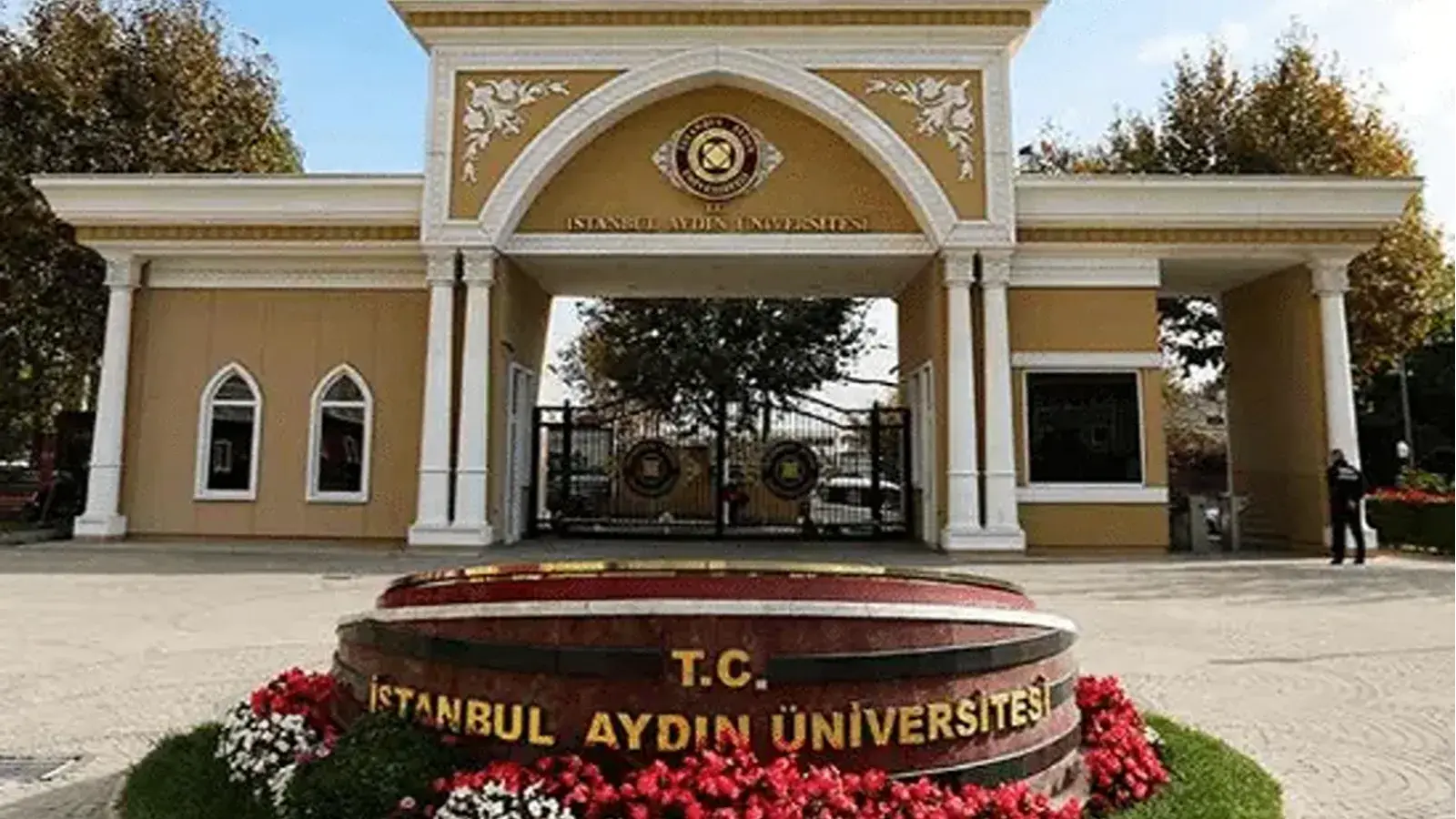
Four Istanbul universities offer the doctorate, with Altinbas University also offering an English-or-Turkish option and a master’s-level entry. Tuition reflects the clinical, resource-intensive nature of dental specialty training, ranging from about $10,800 to $20,000 a year, but across the multiple years of training it remains far cheaper than equivalent specialty programs in the West. Always confirm the currency and exactly what the fee includes. The full, filterable list of fees is in our programs explorer. Periodontology is also offered at doctoral level in Northern Cyprus, which we can include in your shortlist.
Periodontology Tuition Fees in Istanbul (2026)
Tuition for a periodontology doctorate in Istanbul ranges from about $10,800 a year at the more affordable end to roughly $20,000 a year at the higher end. This is more expensive than most postgraduate fields, which is normal for a clinical dental specialty given the patients, materials, laboratories and supervision involved, but it is still a fraction of the cost of equivalent training in many Western countries, where periodontology specialisation can be extremely costly or extremely competitive. Remember the fee is annual, so plan across the full length of the program, and confirm whether materials and laboratory costs are included. Our scholarships and tuition guide explains how to reduce the cost.
Cost of Living for Students in Istanbul
On top of tuition, budget roughly $400 to $700 a month for living costs in Istanbul, depending on your neighbourhood and lifestyle. Istanbul is the most expensive Turkish city, especially for rent, but it remains far more affordable than most European or North American cities where you might pursue the same specialty. A realistic monthly budget covers shared or dormitory accommodation, food, transport, study materials and some social life. Our Study in Türkiye guide breaks down the full cost picture.
Scholarships and Funding
Specialty dental tuition is at the higher end, so funding is worth exploring. Some private universities offer merit-based reductions on postgraduate tuition, and the usual sibling and cash or early-payment discounts can apply. Because periodontology is a clinical specialty rather than a research-assistant-heavy field, the funding picture is different from, say, an engineering doctorate, but it is always worth asking each university what it can offer. You can see live discounts in our programs explorer, and our advisors know which dental faculties are most flexible in a given intake.
Recognition for Practice Abroad: An Honest Caveat
This is the most important point for an international dentist to understand, so we are direct about it. A Turkish university is accredited by the national Higher Education Council (YÖK), and the country follows the Bologna Process and ECTS, so your doctorate is recognised academically across the European Higher Education Area and beyond. However, the right to practise as a specialist periodontist in a particular country is a separate matter governed by that country’s dental regulator, and most countries require foreign-trained dentists and specialists to pass licensing examinations and meet local registration requirements before they can practise. This is true of dental specialties worldwide, not just Turkish ones. So the doctorate gives you world-class training and a recognised academic qualification, but if you intend to practise in a specific country, you must check that country’s licensing pathway. We help you understand the recognition process for your target country during the consultation, so you plan with full information.
Licensing check: the doctorate is academically recognised, but the right to practise as a specialist periodontist is governed by each country's dental regulator — most require licensing examinations and local registration, so check your target country's pathway from the start.
Admission Requirements
Admission to a periodontology doctorate is structured, since it is a competitive clinical specialty. Typical requirements for an international applicant are:
- A completed dentistry degree (DDS or equivalent) with a good academic record
- A copy of your passport and your academic transcripts and diploma
- Proof of language at the required level, English or Turkish depending on the program, with a Turkish preparatory year an option where needed
- For some programs, an entrance examination, an interview, or a graduate examination score
Because places in clinical specialties are limited, a strong dental academic record helps. We review your profile honestly, identify the programs that fit your background and budget, and prepare and submit the application with you.
📋 Periodontology application file — tick as you gather
How to Apply: Timeline
Apply early, because clinical specialty places are limited and competitive. Most students begin two to four months before the intake. A typical timeline:
- Free consultation, where we review your dental qualification, language plan and budget.
- Choose university and program, confirming the language, tuition and clinical structure.
- Apply and receive admission, where we prepare and submit your documents and secure your acceptance letter.
- Visa and travel, where we guide you through the student visa, residence permit and accommodation.
Student Visa and Residence Permit
After you receive your acceptance letter, you apply for a student visa at the Turkish consulate in your home country, providing the acceptance letter, passport, photographs, proof of funds and the visa form. We walk you through the exact list. You enter Türkiye on this visa, then convert your status into a student residence permit (ikamet) after you arrive and enrol, which covers you for the duration of the program. We support you through the residence-permit steps, which involve an online appointment, biometrics and health insurance.
Careers After a Periodontology Doctorate
A doctorate in periodontology qualifies you as a specialist with strong career prospects. Graduates work as specialist periodontists in private practice and clinics, focusing on periodontal therapy, surgery and dental implants, an area of high and growing demand; in academia and research, as lecturers and clinical researchers in dental faculties; and in dental-tourism and implant centres, where periodontal and implant expertise is highly sought after. Implant dentistry in particular is a large and lucrative area of modern dental practice, and a periodontology specialty positions you at the centre of it. Subject to local licensing, the specialty is in demand internationally, and the research component also opens academic pathways.
Türkiye’s Dental Sector and Implantology
A practical reason to specialise in periodontology in Istanbul is the strength of the surrounding dental sector. Türkiye has become an internationally recognised centre for dental care, with a large private sector and a significant dental-tourism industry that draws patients from across Europe and the Middle East, particularly for implants. For a periodontology trainee, this means exposure to high patient volumes and advanced implant practice, which is exactly the clinical experience that builds a strong specialist. The faculties are well equipped, and the concentration of dental expertise in the city is a genuine advantage.
Tips for International Dental Specialists
A few pieces of advice make the journey smoother. Confirm your dentistry degree meets the entry requirements before applying, and have your diploma and transcripts ready and, if needed, translated. Take language seriously, since you will treat patients, and even on an English-medium program some Turkish helps enormously. Research the clinical and implant exposure of each program, since this is what shapes your skills. And, crucially, plan your licensing pathway for wherever you intend to practise from the start, so the specialty serves your long-term goal. Our advisors can help with each of these.
Common Mistakes International Dentists Make
A few avoidable mistakes cause most of the difficulties we see. The biggest, by far, is not planning the licensing pathway for the country where you intend to practise, since the academic doctorate and the right to practise as a specialist are separate things, and clarifying this early prevents disappointment later. The second is underestimating language, because this is a patient-facing clinical specialty and you will need to communicate with Turkish-speaking patients regardless of the language of instruction. A third is applying without confirming that your dentistry degree and transcripts meet the entry requirements, and without having them translated and ready. And a fourth is leaving the application too late for what are limited, competitive clinical places. Each of these is easy to avoid with the right guidance, which is exactly what our free consultation is designed to provide, and getting them right is the difference between a smooth specialty journey and an expensive detour.
DON’T
- Leave the licensing pathway for your target country unplanned
- Underestimate language in a patient-facing specialty
- Apply late for limited, competitive clinical places
DO
- Clarify early that the doctorate and the right to practise are separate things
- Confirm your dentistry degree meets the entry requirements
- Have your diploma and transcripts translated and ready
Related Programs You Might Consider
If you are not yet a dentist, the starting point is our guide to studying dentistry in Türkiye, which covers the bachelor’s degree. If you are a dentist weighing different specialties, the wider programs explorer lets you compare options, and our guide to studying medicine in Türkiye may interest those considering the medical side of healthcare. Our advisors can compare the specialties and their recognition pathways against your goals, and our guide to choosing the right university and major walks through the decision. Istanbul’s health-sciences faculties reach well beyond dentistry too — our guide to the master’s in sports physiology in Istanbul covers one such neighbouring path.
Frequently Asked Questions
Do I need to be a dentist to study periodontology?
Yes. A doctorate in periodontology is a postgraduate specialty for qualified dentists. You need a completed dentistry degree to enter.
How long is a periodontology doctorate in Türkiye?
It is a multi-year clinical specialty, typically around four years, combining clinical training, coursework and a research thesis.
How much does it cost in Istanbul?
Tuition ranges from about $10,800 to $20,000 a year, reflecting the clinical nature of dental specialty training, but it is far cheaper than equivalent programs in the West.
Can I study periodontology in English in Istanbul?
Most programs in our catalogue are in Turkish, while one university offers an English-or-Turkish option. Since you treat patients, some Turkish is valuable regardless.
Will I be able to practise as a periodontist abroad?
The doctorate is academically recognised, but the right to practise as a specialist is governed by each country’s dental regulator, which usually requires licensing examinations. Check your target country’s pathway, which we help with.
What jobs can I get after a periodontology doctorate?
Graduates work as specialist periodontists in private practice and implant centres, and in academia and research, subject to local licensing.
Want help finding a periodontology doctorate in Istanbul that fits your background and planning your licensing pathway? Book a free consultation and we will guide you, or compare every option now in our programs explorer.
Have a question about this article?
Our advisors will guide you for free so you can choose the best path.
Free consultationWhy students choose us
Real partnerships, honest pricing, and support that doesn't stop at admission.
Scholarships & smart discounts
We match you with merit scholarships (often 25–100%) plus sibling and early-payment discounts, so you pay the lowest fair price for your program.
Free, end-to-end guidance
As an authorized agent, our advice and application support cost you nothing. We prepare and submit everything for you — no guesswork.
57 partner universities
Direct partnerships across Türkiye and Northern Cyprus with 5,500+ programs. We find the program that fits you, not just any offer.
Transparent, honest fees
Every tuition figure comes straight from our live catalog and is shown upfront. No hidden costs, no surprises before you commit.
No entrance exam needed
Most private universities admit you on your academic record — many fully in English — so you can apply without YÖS or SAT.
With you to visa & arrival
From choosing a program to your student visa, residence permit and settling in, we stay by your side at every step.