
A master’s in occupational health and safety is one of the most practical and employable postgraduate degrees available, training specialists who keep workplaces safe, prevent accidents and protect workers’ health across every industry. Our catalogue lists occupational health and safety master’s programs at 12 universities, with tuition ranging from about $1,254 to $9,000 for the program, a fraction of what an equivalent degree costs in Western Europe, North America or Australia. There is one essential thing to know upfront, which we cover honestly below: in our catalogue these programs are taught in Turkish, so strong Turkish is required.
This complete 2026 guide is written for international students considering a master’s in occupational health and safety in Türkiye, especially those who speak Turkish or are committed to learning it. It covers why the field matters, the important language point, how the degree is structured with thesis and non-thesis tracks, which universities offer it and at what price, the certification question, the admission requirements and visa process, and the careers it leads to. Click any university name to open its full profile, and compare every program in our programs explorer.
The Most Important Point First: Language
Let us be completely honest at the outset, because it shapes everything. In our catalogue, the occupational health and safety master’s programs are taught in Turkish, with no English-taught option listed. This matters enormously, because occupational health and safety is a field rooted in national regulations, legislation, workplace inspection and communication with workers and managers, all of which happen in the local language. So this degree, and the career that follows it in Türkiye, genuinely requires strong Turkish.
Language check: these master's programs are taught in Turkish, with no English-taught option listed — if your Turkish is not yet sufficient, plan for a one-year preparatory course first.
This makes the degree well suited to students who already speak Turkish, who have a strong commitment to learning it, or who plan to build a career in a Turkish-speaking environment. If your Turkish is not yet sufficient, you would normally take a one-year Turkish preparatory course before the master’s, adding a year. If you are not in a position to study and work in Turkish, this particular degree may not be the right fit, and our advisors will tell you so honestly and suggest English-taught alternatives, such as our guide to a master’s in engineering management. For those who can study in Turkish, however, it is an affordable route into a stable, in-demand profession.
Why Occupational Health and Safety Matters
Occupational health and safety, often abbreviated OHS, is the discipline of protecting people at work, preventing accidents, injuries and ill health, and ensuring workplaces meet legal safety standards. It is a field of growing importance everywhere, driven by stronger regulation, greater awareness of worker wellbeing, and the simple fact that every workplace, from construction sites and factories to offices and hospitals, needs safety expertise. This makes OHS specialists genuinely in demand across virtually every industry.
Türkiye has invested significantly in occupational health and safety, with legislation requiring qualified safety specialists across many workplaces, which creates real demand for trained professionals. Studying an OHS master’s here means learning the field in a country with active regulation and a strong need for specialists, often from faculty with practical and regulatory experience.
The financial case is compelling. An OHS master’s in Türkiye costs a fraction of what an equivalent degree costs in the West, while still being delivered in well-regarded faculties. For those who can study in Turkish and want a stable, in-demand specialist career without heavy debt, it is an excellent value.
Is an Occupational Health and Safety Master’s from Türkiye Worth It?
For the right student, one who can study and work in Turkish, the answer is yes. OHS is a practical, in-demand field with a clear career path, since legislation requires qualified safety specialists across industries, and the work, protecting people from harm, is genuinely meaningful. The master’s deepens your expertise and strengthens your position for specialist and senior safety roles.
The return on investment is excellent because Türkiye’s tuition is so low compared with the stable demand for the qualification. The key considerations are the language requirement, covered above, and the certification pathway, covered below, since practising as a workplace safety specialist is regulated. For students who can study in Turkish and plan around certification, an OHS master’s from Türkiye is a cost-effective step into a secure, meaningful profession with demand across every industry.
How Long Is an Occupational Health and Safety Master’s in Türkiye?
A master’s in occupational health and safety in Türkiye typically takes one and a half to two years, entered after a bachelor’s degree, often in engineering, health sciences, science or a related field. As with other Turkish master’s degrees, there are commonly two tracks. The thesis track runs around two years and includes a research thesis alongside coursework, and is the stronger route if you may continue to a PhD or want a research profile. The non-thesis track is usually shorter, around one and a half years, replacing the thesis with more coursework and an applied project, and is popular with working professionals and those focused on practice. If you need a Turkish preparatory year first, add a year.
What You Study
The program builds the technical, legal and practical knowledge a safety specialist needs. Coursework typically covers occupational health and safety legislation and regulation, risk assessment and management, workplace hazard identification and control, occupational hygiene and health, safety management systems, emergency planning, ergonomics, and accident investigation, often with applied projects. The emphasis is on applying safety knowledge to real workplaces and the regulatory framework, which is exactly what employers need.
Occupational Health and Safety Specialisations
The field is broad, and electives and your project let you focus on areas of interest. Common directions include construction safety, one of the highest-risk and highest-demand sectors; industrial and manufacturing safety; occupational health and hygiene; fire safety and emergency management; environmental health and safety; and safety management systems and auditing. Whichever direction you take, the strong common core of risk assessment, regulation and hazard control prepares you to keep workplaces safe across sectors.
Universities Offering Occupational Health and Safety Master’s: Tuition Compared
The table below lists the universities in our catalogue that offer an occupational health and safety master’s, with the city, language of instruction and tuition. As noted, these programs are taught in Turkish. Click any university to open its full profile, campus details and complete program list.
| University | City | Language | Tuition/yr |
|---|---|---|---|
| Istanbul Aydin University | Istanbul | Turkish | $8,000-9,000 |
| Istanbul Esenyurt University | Istanbul | Turkish | $3,250 |
| Istanbul Gelisim University | Istanbul | Turkish | $3,750-4,500 |
| Istanbul Kent University | Istanbul | Turkish | $2,500 |
| Istanbul Kultur University | Istanbul | Turkish | $4,680 |
| Istanbul Okan University | Istanbul | Turkish | $3,500-4,500 |
| Istanbul Yeni Yuzyil University | Istanbul | Turkish | $3,500-4,000 |
| Istinye University | Istanbul | Turkish | $8,000 |
| Uskudar University | Istanbul | Turkish | $3,900-4,300 |
| Antalya Bilim University | Antalya | Turkish | $4,000 |
| Near East University | Cyprus | Turkish | €1,254 |
| Hasan Kalyoncu University | Gaziantep | Turkish | $2,250 |
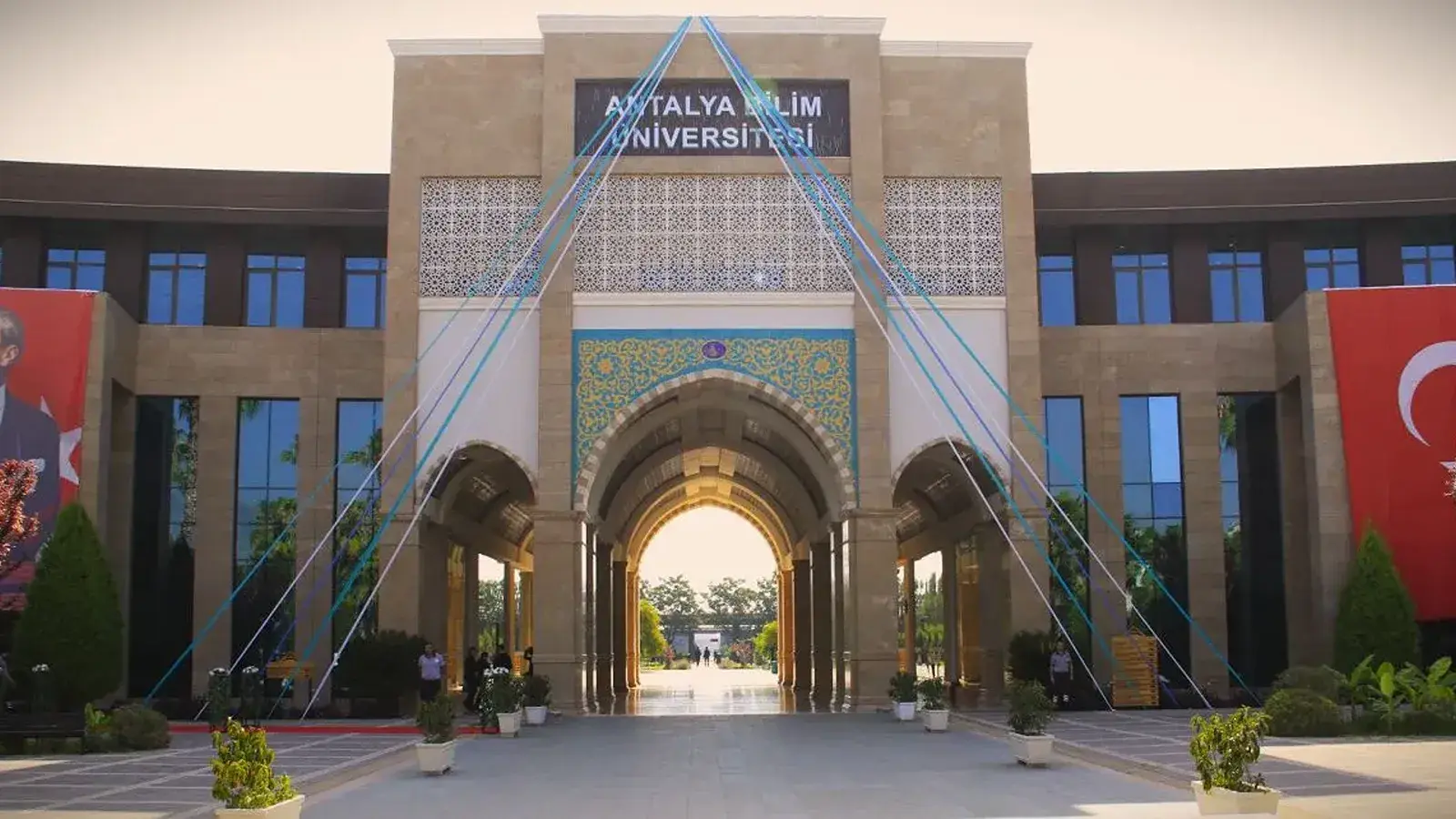
Tuition figures are for the program where shown. Occupational health and safety master’s tuition in Türkiye is affordable by international standards, and with 12 universities to choose from you can find a strong program at a sensible budget, mostly in Istanbul as well as other cities. Remember that the programs are taught in Turkish.
Occupational Health and Safety Master’s Tuition Fees in Türkiye (2026)
Tuition for an OHS master’s in Türkiye ranges from about $1,254 at the most affordable universities to roughly $9,000 at the more established private faculties for the program, with most options at the affordable end. The figure depends on the university’s reputation and the city.
A few points help you compare fairly. The faculty’s practical and regulatory expertise matters in this applied field, so weigh that alongside price. Check whether the quoted fee is for the whole program or per year or semester, and confirm whether it is in US dollars or euros. Remember to add a Turkish preparatory year if you need one. The full, filterable list of fees is in our programs explorer, where you can sort by budget, and our scholarships and tuition guide explains how to bring the cost down.
Cost of Living for Students in Türkiye
On top of tuition, budget roughly $400 to $700 a month for living costs, depending on the city. Istanbul is the most expensive, especially for rent, while Ankara, Izmir and other cities are more affordable. A realistic monthly budget covers dormitory or shared accommodation, food, transport, books and some social life. As a postgraduate you may also find part-time or assistant opportunities at some universities.
Because tuition is affordable and living costs are low, the total cost of an OHS master’s in Türkiye remains very competitive internationally. Our Study in Türkiye guide breaks down the full cost picture across cities.
Scholarships for Master’s Students in Türkiye
The headline tuition is rarely the final cost. Many private universities offer merit scholarships that reduce postgraduate tuition, awarded on your undergraduate grades and profile, and some offer partial scholarships to attract strong international postgraduates. On top of that, the usual cash or early-payment discounts can apply. Some thesis-track students also receive assistantship or research opportunities that offset costs.
A scholarship can meaningfully reduce the cost of an OHS master’s, so it is always worth asking what each university can offer before you commit. You can see live discounts in our programs explorer, and our scholarships and tuition guide explains how to combine them. Our advisors also know which universities are most generous in a given intake.
Accreditation, Recognition and the Certification Question
This is an important section. Every Turkish university and its faculty are accredited by the national Higher Education Council (YÖK), which sets the standards for the degree, and Türkiye follows the Bologna Process and the ECTS credit system used across Europe, so your master’s is recognised as a higher-education qualification across the European Higher Education Area and in many countries beyond it.
However, practising as an occupational health and safety specialist is a regulated, certified role in Türkiye and in most countries. In Türkiye, the workplace safety specialist role has specific certification requirements set by the relevant authorities, which typically involve qualifying criteria, training and examination, and a master’s supports but does not by itself constitute that certification. Crucially, the rules are country-specific, so if you intend to practise as a safety specialist in a particular country, you must check that country’s certification and recognition requirements. We are honest about this and help you understand the pathway, including how the degree fits with the certification you would need, so you choose with full information.
“The master's alone qualifies me to practise as a safety specialist.”
Practising as a safety specialist is a regulated, certified role — the master's supports but does not by itself constitute that certification, and the rules are country-specific.
Admission Requirements in Türkiye
Admission to an OHS master’s in Türkiye typically requires:
- A completed bachelor’s degree, often in engineering, health sciences, science or a related field
- Good undergraduate grades and a relevant academic transcript
- A copy of your passport
- Proof of Turkish proficiency, since the programs are taught in Turkish, or a Turkish preparatory year
- Sometimes a statement of purpose, references or work experience
A relevant technical, engineering or health background helps. We review your profile honestly, tell you which programs suit your background, grades, budget and language, and prepare and submit the application with you.
How to Apply to Study in Türkiye: Timeline
Apply early, because the best programs and scholarships fill first. Most students begin two to three months before the intake, plus extra time if a Turkish preparatory year is needed. A typical timeline:
- Free consultation, where we review your degree, grades, Turkish level and goals, including the certification question, and suggest realistic programs.
- Choose university and program, confirming the track, tuition, scholarships and any preparatory year.
- Apply and receive admission, where we prepare and submit your documents and secure your acceptance letter.
- Visa and travel, where we guide you through the student visa, residence permit and accommodation.
Starting ahead gives you the best access to scholarships and to places in sought-after programs.
Student Visa and Residence Permit for Students
After you receive your acceptance letter, you apply for a student visa at the Turkish consulate in your home country, providing the acceptance letter, passport, photographs, proof of funds and the visa form. We walk you through the exact list. You enter Türkiye on this visa to begin your studies, then convert your status into a student residence permit (ikamet) after you arrive and enrol, which covers you for the duration of the program. The university’s international office assists with enrolment, and we support you through the residence-permit steps, which involve an online appointment, biometrics and health insurance.
Careers After an Occupational Health and Safety Master’s
An OHS master’s leads into a stable, in-demand specialist field, subject to the certification requirements of where you work. Graduates work, where certified, as occupational health and safety specialists across industries; as safety engineers and managers; as safety consultants and auditors; in construction, manufacturing and industrial safety, high-demand sectors; in risk assessment and management; in inspection and compliance roles; and in environmental health and safety positions. Because legislation requires qualified safety specialists across many workplaces, demand is broad and durable.
The work is meaningful, protecting people from harm, and the demand is genuinely stable because safety is a legal and ethical requirement, not an optional extra, in industry after industry. The key planning points are the language, since the field is rooted in local communication and regulation, and the certification, which is required to practise. For students who can study and work in Turkish and plan around certification, an OHS master’s from Türkiye is a cost-effective step into a secure, in-demand profession with opportunities across virtually every sector of the economy. And if what draws you to the health field is direct clinical care rather than workplace safety, our guide to studying midwifery in Türkiye walks through another Turkish-taught profession with the same language planning.
Thesis vs Non-Thesis: Which Track to Choose
Choosing between the thesis and non-thesis tracks is an important early decision. The thesis track suits you if you may continue to a PhD, want a research-oriented profile, or value the depth a research project brings. The non-thesis track suits you if you are focused on practice and want to qualify a little sooner, replacing the thesis with more coursework and an applied project, which is why it is popular with working professionals heading into industry. For OHS, the non-thesis track is a common, practical choice for those heading into safety practice, while the thesis track keeps research and academic doors open. Our advisors can help you align your track choice with your goals.
Studying in Northern Cyprus vs Mainland Türkiye
A choice many applicants face is whether to study on the Turkish mainland or in Northern Cyprus, and both have advantages. Mainland Türkiye, and Istanbul in particular, offers the largest selection of programs, the strongest industry links, and the most professional opportunities, set within a major industrial economy with active safety regulation. The trade-off is a higher cost of living, especially in Istanbul.
Northern Cyprus can be an option depending on the programs available, combining a relaxed Mediterranean lifestyle and a lower cost of living with established universities. For OHS, weigh the language and the certification framework of where you intend to work wherever you study. Both routes lead to a recognised master’s, and the right choice comes down to your budget, language, the city and the specific programs, which we help you confirm.
How to Compare Occupational Health and Safety Programs in Türkiye
With 12 universities offering an OHS master’s, a short checklist keeps the decision clear. Start with the language requirement and your Turkish level, since the programs are taught in Turkish. Confirm the certification pathway for where you intend to practise. Weigh the faculty’s practical and regulatory expertise and any industry links. Choose the track, thesis or non-thesis, to fit your plans. Compare the real cost, taking the fee, subtracting any scholarship, and adding living costs and any preparatory year. And consider the city and its industrial opportunities. Our advisors run through exactly this checklist with each student during a free consultation.
Common Mistakes International Occupational Health and Safety Students Make
A few avoidable mistakes cause most of the disappointment we see. By far the biggest is underestimating the Turkish language requirement, since the degree and the profession are rooted in Turkish. The second is not checking the certification pathway for the country where they want to practise, since the safety specialist role is regulated. A third is choosing the wrong track for their goals. And a fourth is applying too late for the best programs and scholarships. Each of these is easy to avoid with honest guidance, which our free consultation provides.
What an Occupational Health and Safety Master’s Student Actually Does
Prospective students often ask what the program feels like day to day, and the honest answer is that an OHS master’s is a practical, applied program focused on real workplaces. You study legislation, risk assessment, hazard control, occupational health and safety management, you work on case studies and projects analysing real safety situations, and you learn to identify risks and design controls that protect people. Many programs include applied projects or fieldwork. It is a program that rewards practical, methodical, responsible people who want to make workplaces safer, and students drawn to protecting others and to the clear, in-demand career it leads to tend to find it directly useful.
Tips for International Occupational Health and Safety Students in Türkiye
A few pieces of advice make the journey smoother. Above all, be realistic about the Turkish language requirement and plan for a preparatory year if needed, since the field demands it. Check the certification pathway for where you intend to practise before you enrol. Choose the thesis or non-thesis track to fit your goals. Make the most of any applied projects, fieldwork and industry links, which build real competence. Apply early to secure scholarships and places. And keep your degree certificates, transcripts and passport scans organised, since you will reuse them for admission, the visa, the residence permit and any later certification.
Why Demand for Safety Specialists Stays Strong
It is worth understanding why occupational health and safety offers such durable job security, because it sets the field apart from many others. Safety is not a discretionary expense that organisations cut in hard times; it is a legal obligation enforced by regulation, and the consequences of getting it wrong, accidents, injuries, legal liability and human tragedy, are too serious to ignore. As a result, workplaces across construction, manufacturing, energy, logistics, healthcare and many other sectors are legally required to have qualified safety specialists, which creates steady, structural demand that does not vanish with economic cycles. On top of this legal foundation, awareness of worker wellbeing keeps rising, regulations tend to tighten over time rather than loosen, and new risks, from new technologies and ways of working, continually need expert management. For a qualified safety specialist, this means a profession with genuine, lasting demand and a clear social purpose. For an international student who can study and work in Turkish, training in this field at Turkish tuition levels is an efficient route into a career that combines stability with the satisfaction of protecting people.
The Practical, Hands-On Nature of the Field
A defining feature of occupational health and safety is how practical and hands-on it is, which appeals to people who want their work to have a visible, real-world effect. Safety specialists do not spend their days in the abstract; they walk workplaces, identify hazards, assess risks, design and check controls, investigate incidents, train workers and ensure compliance with regulations. The master’s reflects this, combining the legal and technical knowledge with applied projects and, in many programs, fieldwork that connects the classroom to the realities of factories, sites and other workplaces. This practical orientation means you graduate ready to do the job, not just to talk about it, and it suits methodical, observant, responsible people who take satisfaction in making concrete improvements that genuinely keep others safe. When you compare programs, it is worth asking about the applied and fieldwork components, since this hands-on experience is a large part of what makes the degree valuable and what prepares you for the certification and the role itself. Our advisors can help you identify the programs with the strongest practical training.
Who This Degree Is Right For
To bring the honest picture together, an occupational health and safety master’s in Türkiye is an excellent choice for a specific kind of student, and a poor one for another, and being clear about this saves disappointment. It is well suited to people who can study and work in Turkish, who have a relevant technical, engineering, science or health background, who are practical, methodical and responsible, and who want a stable, in-demand career with a clear social purpose. For these students, it offers an affordable route into a profession with durable demand and the satisfaction of keeping people safe. It is not the right choice for someone who cannot study in Turkish and is unwilling to learn it, since the degree and the profession are rooted in the local language and regulatory framework, nor for someone seeking an internationally portable, English-medium qualification, for whom an English-taught master’s such as engineering management would fit far better. We always give this honest assessment upfront, because the worst outcome is a student investing time and money in a degree that does not match their language situation or career plans. If, after an honest look, the field fits you, our advisors will help you find the right program; if it does not, they will point you toward alternatives that suit you better, so your decision is the right one either way.
🦺This degree FITS you if…
- You can study and work in Turkish, or are committed to learning it
- You have a technical, engineering, science or health background
- You want a stable, in-demand career with a clear social purpose
🧭Look ELSEWHERE if…
- You cannot study in Turkish and are unwilling to learn it
- You want an internationally portable, English-medium qualification — an English-taught master's such as engineering management fits better
Frequently Asked Questions About an Occupational Health and Safety Master’s in Türkiye
Can I study occupational health and safety in English in Türkiye?
In our catalogue, these programs are taught in Turkish, with no English-taught option listed. The field is rooted in local regulation and workplace communication, so strong Turkish is genuinely required.
How long is the master’s?
Typically one and a half to two years, depending on the thesis or non-thesis track, entered after a bachelor’s degree. Add a year if you need a Turkish preparatory course first.
What bachelor’s do I need to apply?
Often a degree in engineering, health sciences, science or a related field, though requirements vary by program. A relevant technical or health background helps.
Can I work as a safety specialist with this degree?
The master’s supports a safety career, but practising as an occupational health and safety specialist is a regulated, certified role with specific requirements that vary by country. Check the certification pathway for where you intend to work.
How much does it cost?
Tuition ranges from about $1,254 to $9,000 for the program, depending on the university and city, making it affordable. Scholarships can reduce this further.
Is occupational health and safety a good career?
Yes. It is stable and in demand, since legislation requires qualified safety specialists across industries, and the work, protecting people from harm, is meaningful.
Which track should I choose?
The non-thesis track suits a practice focus and is a little faster; the thesis track suits a research path or a possible PhD. Align the choice with your goals.
Is the degree internationally recognised?
As an academic qualification, yes, with national accreditation and Bologna/ECTS alignment. The separate question of safety-specialist certification depends on each country’s rules.
When should I apply?
Apply two to three months before the intake, plus extra time if you need a Turkish preparatory year.
Is studying occupational health and safety in Türkiye suitable for international students?
Yes for those who can study and work in Turkish and plan around certification. If Turkish is a barrier, our advisors will honestly suggest English-taught alternatives instead.
Want honest advice on whether an occupational health and safety master’s in Türkiye fits your language, background and certification plans? Book a free consultation and we will guide you, or compare every option now in our programs explorer.
Have a question about this article?
Our advisors will guide you for free so you can choose the best path.
Free consultationWhy students choose us
Real partnerships, honest pricing, and support that doesn't stop at admission.
Scholarships & smart discounts
We match you with merit scholarships (often 25–100%) plus sibling and early-payment discounts, so you pay the lowest fair price for your program.
Free, end-to-end guidance
As an authorized agent, our advice and application support cost you nothing. We prepare and submit everything for you — no guesswork.
57 partner universities
Direct partnerships across Türkiye and Northern Cyprus with 5,500+ programs. We find the program that fits you, not just any offer.
Transparent, honest fees
Every tuition figure comes straight from our live catalog and is shown upfront. No hidden costs, no surprises before you commit.
No entrance exam needed
Most private universities admit you on your academic record — many fully in English — so you can apply without YÖS or SAT.
With you to visa & arrival
From choosing a program to your student visa, residence permit and settling in, we stay by your side at every step.