
Midwifery is one of the most respected and meaningful health professions an international student can study in Türkiye, leading directly into caring for mothers and newborns through pregnancy, birth and beyond. Our catalogue lists midwifery at 17 universities, with tuition ranging from about $2,200 to $8,000 a year, a fraction of what a midwifery degree costs in Western Europe, North America or Australia. There is one important thing to know up front, which we are honest about throughout this guide: midwifery in Türkiye is taught in Turkish, so it suits students who are ready to study in Turkish, usually after a preparatory year.
This complete 2026 guide is written for international students who want to study midwifery in Türkiye. It covers why Türkiye is a strong choice, the all-important language question, how the four-year degree is structured, which universities offer it and at what price, the clinical training, the scholarships, the admission requirements and visa process, licensing, and the careers the degree leads to. Click any university name to open its full profile, and compare every program in our programs explorer.
Why Study Midwifery in Türkiye in 2026
Türkiye has a large, modern healthcare system with extensive maternity and women’s-health services, a strong tradition of midwifery, and many hospitals and family-health centres that train and employ midwives. Studying here means learning the profession in a country where it is genuinely valued and widely practised, often from faculty with clinical experience, in programs built around laboratories and supervised clinical placements in maternity settings.
The financial case is compelling. A complete midwifery education in Türkiye costs a fraction of what an equivalent degree costs in the West, while still being delivered in faculties with modern facilities and hospital partnerships. For students who are ready to study in Turkish and want a respected, hands-on health degree without heavy debt, and a route into a deeply meaningful profession, Türkiye is a strong choice.
Beyond cost, the lifestyle is a genuine draw. Turkish cities are vibrant and student-friendly, the climate is warm, and there is a large, established international student community that makes settling in straightforward. With midwifery being a four-year degree, you also qualify and enter the workforce relatively quickly.
The Language Question: Midwifery Is Taught in Turkish
This is the single most important thing to understand, so we put it near the top. In our catalogue, midwifery programs are taught in Turkish, with no fully English-taught option at present. This is partly because midwifery is intensely clinical and human, built around communicating with mothers and families during pregnancy and birth, which in Türkiye happens in Turkish. So a strong command of Turkish is not just an academic requirement, it is essential to the practice of the profession here.
Language check: midwifery in Türkiye is taught in Turkish, with no fully English-taught option at present — plan for the one-year preparatory year (Hazırlık) if you are not yet fluent.
For an international student, this means the realistic route is to study in Turkish, completing a one-year Turkish preparatory year (Hazırlık) first if you are not yet fluent, with a placement test to confirm your level. If you are committed to midwifery and willing to learn Turkish, this is very achievable and opens an affordable, well-regarded education. If you specifically need an English-taught health degree, you may want to consider our guides to nursing, physiotherapy or nutrition and dietetics, which have English options, and our advisors can help you weigh the choice honestly.
Is a Midwifery Degree from Türkiye Worth It?
For students who are ready to study in Turkish, the answer is a clear yes, particularly if you plan the licensing pathway for where you intend to work. Midwifery is a stable, respected and deeply human profession, and the skills, caring for mothers and newborns, supporting birth and women’s health, are needed everywhere. The combination of a low-cost, hands-on education and a meaningful, secure career is compelling.
The return on investment is excellent because Türkiye’s tuition is so low compared with the value and security of the qualification. The two things to plan for are the language, which we have covered, and licensing, since midwifery is a regulated profession and the requirements to register and practise vary by country, which we cover below. For committed students, a Turkish midwifery degree is a cost-effective route into a respected and globally needed profession.
How Long Is a Midwifery Degree in Türkiye?
Midwifery in Türkiye is a four-year undergraduate degree (BSc), entered directly after high school. On graduation you receive the bachelor’s degree, which is the foundation qualification for the profession and the prerequisite for postgraduate study. The four-year structure aligns with midwifery degrees offered across much of the world, so the qualification maps cleanly onto international expectations, subject to local licensing. If you are not yet fluent in Turkish, you complete the one-year preparatory year first, making the total five years.
The Four-Year Midwifery Curriculum
The four years build from the basic sciences to applied clinical practice. The first year covers anatomy, physiology, basic sciences and an introduction to midwifery. The middle years develop the core of the discipline, including obstetrics and gynaecology, antenatal, intranatal and postnatal care, neonatal care, women’s health, reproductive health and the assessment and support of mothers and babies. The later years add advanced subjects and, crucially, extensive supervised clinical practice in maternity and women’s-health settings, along with a graduation project. This blend of science, hands-on skill and real clinical experience is exactly what prepares graduates for the profession and is the heart of an accredited midwifery education.
Midwifery Specialisations and Scope
Midwifery is focused but rich, and electives, clinical placements and a later master’s let you deepen particular areas. These include antenatal and prenatal care, supporting pregnancy; labour and birth care, the heart of the profession; postnatal and neonatal care, supporting mothers and newborns after birth; women’s and reproductive health more broadly; and community midwifery in family-health settings. Whichever areas you focus on, the strong common core means you graduate with the full set of skills the profession requires.
Universities Offering Midwifery: Tuition Compared
The table below lists the universities in our catalogue that offer midwifery, with the city, language of instruction and annual tuition. All are taught in Turkish. Click any university to open its full profile, laboratory and clinical details, and complete program list.
| University | City | Language | Tuition/yr |
|---|---|---|---|
| Biruni University | Istanbul | Turkish | $4,000 |
| Fenerbahce University | Istanbul | Turkish | $3,150 |
| Halic University | Istanbul | Turkish | $4,800 |
| Istanbul Atlas University | Istanbul | Turkish | $4,050 |
| Istanbul Esenyurt University | Istanbul | Turkish | $2,200 |
| Istanbul Kent University | Istanbul | Turkish | $2,200 |
| Istanbul Medipol University | Istanbul | Turkish | $7,000 |
| Istanbul Nisantasi University | Istanbul | Turkish | $3,250 |
| Istanbul Topkapi University | Istanbul | Turkish | $3,250 |
| Istinye University | Istanbul | Turkish | $8,000 |
| Uskudar University | Istanbul | Turkish | $3,600 |
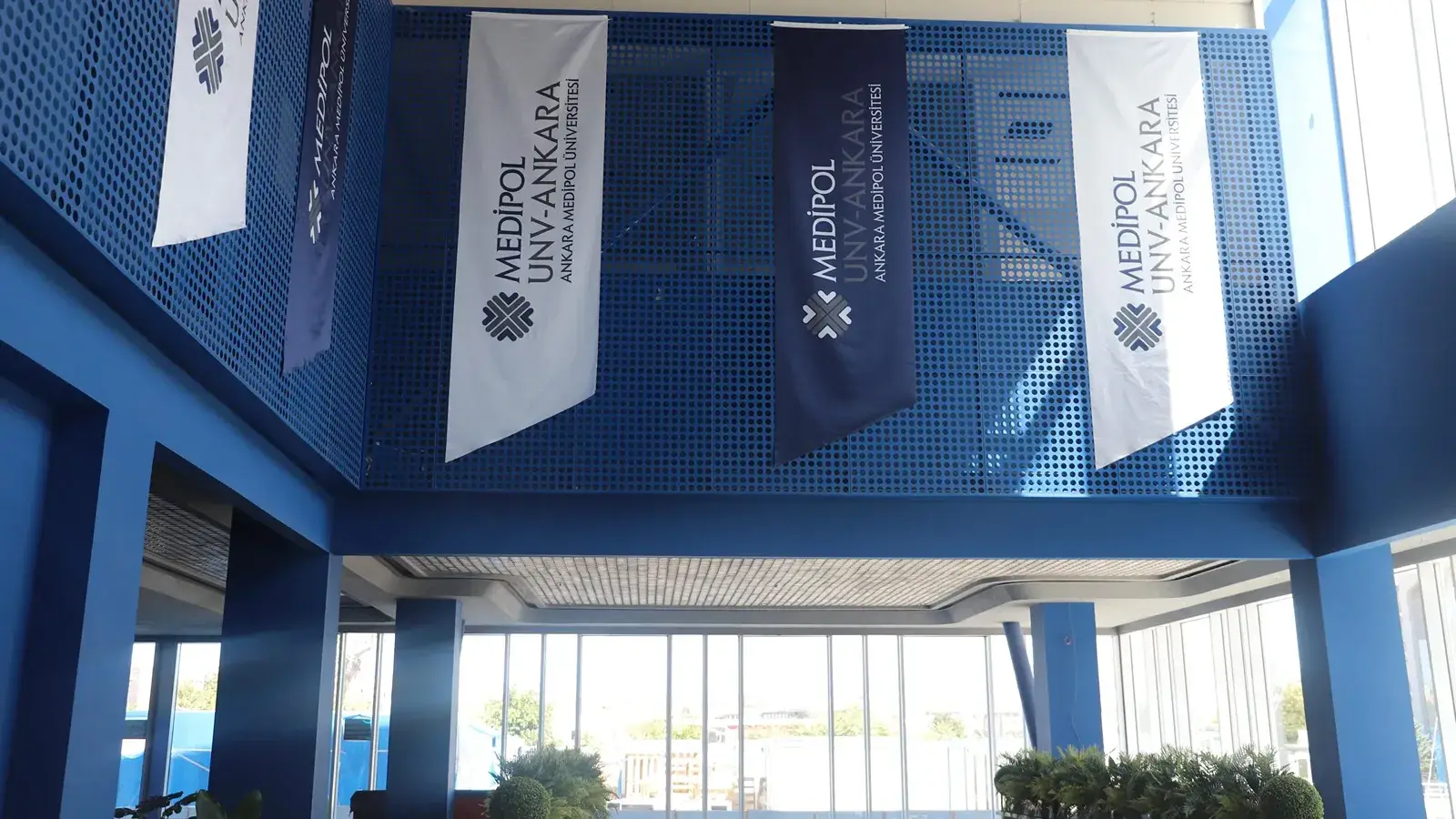
| Ankara Medipol University | Ankara | Turkish | $4,000 |
| Lokman Hekim University | Ankara | Turkish | $4,000 |
| Antalya Bilim University | Antalya | Turkish | $4,150 |
| Near East University | Cyprus | Turkish | €2,915 |
| Izmir Tınaztepe University | Izmir | Turkish | $2,700 |
| Kapadokya Universitesi | Nevşehir | Turkish | $2,450 |

Tuition is per year. Midwifery is among the more affordable health degrees in Türkiye, far less than medicine or dentistry, and with 17 universities to choose from you can find a well-equipped program at a modest budget, with options in Istanbul as well as other cities.
Midwifery Tuition Fees in Türkiye (2026)
Tuition for midwifery in Türkiye ranges from about $2,200 a year at the most affordable universities to roughly $8,000 a year at the most established private faculties, making it one of the most affordable health degrees anywhere. The figure depends on the university’s reputation, its laboratories and clinical partnerships and the city.
A few points help you compare fairly. The newer private faculties are often at the more affordable end, while established Istanbul private health faculties sit higher. Remember that the published number is an annual fee, so multiply across four years for the full cost of the degree, and confirm whether the fee is quoted in US dollars or euros. The full, filterable list of fees is in our programs explorer, where you can sort by budget, and our scholarships and tuition guide explains how to bring the cost down.
Cost of Living for Health Students in Türkiye
On top of tuition, budget roughly $400 to $700 a month for living costs, depending on the city. Istanbul is the most expensive, especially for rent, while Ankara, Izmir and the Anatolian cities are more affordable. A realistic monthly budget covers dormitory or shared accommodation, food, transport, study materials and some social life. Midwifery has a few specific extras, such as a clinical uniform, but universities provide the labs and clinical settings.
Because midwifery tuition is low and living costs are modest, the total cost of studying across four years remains very competitive internationally. Many universities offer dormitories at controlled prices, and a student transport card reduces travel costs. Our Study in Türkiye guide breaks down the full cost picture across cities.
Scholarships for Midwifery Students in Türkiye
The headline tuition is rarely what students pay. Many private universities offer merit scholarships that reduce midwifery tuition, awarded on your high-school grades and sometimes an assessment, and some offer partial scholarships specifically to attract strong international students into their health faculties. On top of that, the usual sibling and cash or early-payment discounts apply and can stack with a merit award.
A merit scholarship can bring an already-affordable health degree down to a very modest cost over four years, so it is always worth asking what each university can offer before you commit. You can see live discounts in our programs explorer, and our scholarships and tuition guide explains how to combine them. Our advisors also know which universities are most generous with health scholarships in a given intake.
Accreditation, Licensing and International Recognition
Midwifery is a regulated health profession, so the things to check go beyond academic recognition. Every Turkish university and its health faculty are accredited by the national Higher Education Council (YÖK), which sets the standards for the degree, and Türkiye follows the Bologna Process and the ECTS credit system used across Europe, so your degree is recognised as a higher-education qualification across the European Higher Education Area and in many countries beyond it.
The important point, which we cover honestly, is that the right to practise as a midwife is granted by each country and usually requires registration with a national body, and sometimes an examination or a recognition assessment. A Turkish midwifery degree is a strong foundation, but if you intend to practise in a specific country, you should confirm that country’s licensing route before you enrol. We help you research the licensing position for your target country during the consultation, so you choose with full information.
Midwifery Admission Requirements in Türkiye
Admission to midwifery in Türkiye is accessible compared with many Western systems. Typical requirements for an international applicant are:
- A completed high-school diploma with good grades, particularly in biology and the sciences
- A copy of your passport
- Turkish proficiency or completion of the preparatory year, since the program is taught in Turkish
- At some universities, an internationally recognised test score
Strong results in biology and the sciences help your application, since these are the foundation of the degree. We review your profile honestly, including the language requirement, tell you which health faculties suit your grades and budget, and prepare and submit the application with you.
📋 Midwifery application file — tick as you gather
How to Apply to Study Midwifery in Türkiye: Timeline
Apply early, because the best programs and scholarships fill first. Most students begin two to three months before the Fall intake, which is the main entry point. A typical timeline:
- Free consultation, where we review your grades, budget, language plans and goals and suggest realistic health faculties.
- Choose university and program, confirming tuition, scholarships, the preparatory year and clinical partnerships.
- Apply and receive admission, where we prepare and submit your documents and secure your acceptance letter.
- Visa and travel, where we guide you through the student visa, residence permit and accommodation.
Starting ahead of the crowd gives you the best access to scholarships and to places at the most sought-after health faculties.
Student Visa and Residence Permit for Health Students
After you receive your acceptance letter, you apply for a student visa at the Turkish consulate in your home country, providing the acceptance letter, passport, photographs, proof of funds and the visa form. We walk you through the exact list. You enter Türkiye on this visa to begin your studies, then convert your status into a student residence permit (ikamet) after you arrive and enrol, which covers you for the duration of the four-year program. The university’s international office assists with enrolment, and we support you through the residence-permit steps, which involve an online appointment, biometrics and health insurance.
Careers After a Midwifery Degree
Midwifery leads into a stable, respected and deeply meaningful profession. Graduates work as midwives in hospital maternity units, in labour and delivery, in antenatal and postnatal care, in family-health and community settings, in women’s and reproductive health, and in neonatal support, caring for mothers and babies through pregnancy, birth and the period that follows. The work is human, skilled and durable, and midwives are needed everywhere because maternal and newborn care is essential in every health system.
Because midwifery is a regulated profession with universal demand, the qualification is portable across countries subject to local licensing and language, and many midwives build secure careers. The profession is also resistant to automation, since it depends on human care, judgement and relationships. Many graduates continue to a master’s to specialise or to move into education and management, which can open senior roles. The combination of meaningful work, durable demand and a low-cost route to the degree makes midwifery a strong choice for a caring, committed student.
Clinical Placements and Hands-On Training
A defining feature of midwifery education in Türkiye is the emphasis on supervised clinical practice. As you progress, you spend increasing time in maternity units, delivery rooms and women’s-health clinics, supporting real mothers and babies under supervision, which is where the science becomes skill. These placements build your competence, confidence and professional network, and they are an essential part of an accredited midwifery degree. When comparing universities, it is worth looking at the strength of their hospital partnerships and the range of maternity settings you will train in, since hands-on experience drives the value of the degree and your readiness to practise.
Türkiye’s Maternal and Women’s Health Sector
A practical reason to study midwifery in Türkiye is the scale and quality of its maternal and women’s-health services. The country has a large healthcare system with extensive maternity provision, a strong tradition of midwifery, and many hospitals and family-health centres, all of which train and employ midwives. For students, this depth translates into rich clinical placements, exposure to modern practice, and a real and active job market for those qualified to work in Türkiye. It also means you learn the profession where it is genuinely valued and widely practised.
Why Midwifery Remains a Secure and Meaningful Career
In a world where some careers change quickly, midwifery stands out for its stability and human value. The care of mothers and newborns is essential in every society and every era, which gives the profession durable demand, and because the work depends on skilled hands, careful judgement and genuine human relationships, it is resistant to automation. For a student weighing where to invest four years, the combination of a secure, respected and deeply meaningful profession with a low cost of study in Türkiye is compelling, provided you are ready to study and practise in Turkish.
Master’s and PhD Options in Midwifery
After your bachelor’s, Turkish universities offer master’s and PhD programs in midwifery and women’s health, some of which can support specialisation, education or management roles, at affordable postgraduate tuition. Continuing to a master’s can also strengthen your profile and, in some countries, your licensing position. Midwifery sits within a wider family of health degrees, so if you are weighing your options you may also want to look at our guides to nursing and nutrition and dietetics. Graduates drawn to the preventive, workplace side of health can also consider a master’s in occupational health and safety in Türkiye.
How to Compare Midwifery Schools in Türkiye
With 17 universities offering midwifery, a short checklist keeps the decision clear. Start with the hospital partnerships and clinical placements, since hands-on maternity experience is the heart of the degree. Plan for the language, confirming you are ready for the Turkish-taught program and the preparatory year. Confirm the licensing route for any country where you intend to practise. Compare the real cost, taking published tuition and subtracting any discounts, then adding living costs for the city. And consider the city, since a large health hub can mean richer clinical experience. Our advisors run through exactly this checklist with each student during a free consultation.
Common Mistakes International Midwifery Students Make
A few avoidable mistakes cause most of the disappointment we see. The biggest is underestimating the language requirement, since midwifery here is taught and practised in Turkish, so you must be ready to study in Turkish. The second is not checking the licensing route for the country where you want to practise, since midwifery is regulated and recognition rules vary. The third is leaving the application too late, missing scholarships and places. And the fourth is choosing on price alone, without weighing the hospital partnerships and placements that drive the value of the degree. Each of these is easy to avoid with honest guidance, which our free consultation provides.
DON’T
- Underestimate the Turkish-language requirement
- Skip checking the licensing route for your target country
- Leave the application too late
- Choose on price alone
DO
- Be ready to study in Turkish and embrace the preparatory year
- Confirm the licensing route before you enrol
- Apply early to secure scholarships and places
- Weigh hospital partnerships and clinical placements
What a Midwifery Student Actually Does
Prospective students often ask what the four years feel like day to day, and the honest answer is that midwifery is a hands-on, human and deeply rewarding degree. Alongside lectures in anatomy, physiology and the core clinical sciences, you spend time in laboratories learning skills, and as you progress you move into supervised clinical placements in maternity units where you support real mothers and babies. It is a degree that blends scientific understanding with practical skill and profound human care, and students who are drawn to supporting women and families through one of life’s most important moments tend to thrive and to graduate ready to step into a respected and meaningful profession.
Tips for International Midwifery Students in Türkiye
A few pieces of advice make the journey smoother. Be realistic and committed about the language, since the program is in Turkish and so is the clinical work, and embrace the preparatory year. Confirm the licensing route for any country where you might want to practise, before you enrol. Apply early to secure scholarships and places. Keep your biology and sciences strong, as they are the foundation of the degree. Throw yourself into clinical placements, since they build the competence and confidence the profession requires. And keep your documents, transcripts and passport scans organised from the start, since you will reuse them for admission, the visa, the residence permit and any later licensing process.
A Day on a Maternity Placement
To picture the profession concretely, it helps to imagine a day on a maternity placement, which is where so much of the learning happens. You arrive at the hospital or family-health centre, review the women in your care with your supervising midwife, and take part in antenatal checks, monitoring the wellbeing of mother and baby, offering reassurance and education. During a birth you support the mother through labour, observe and assist under supervision, and help with the immediate care of the newborn. Afterwards you contribute to postnatal care, supporting feeding, recovery and the early days of parenthood. Throughout, you practise the communication, observation and clinical judgement that define a good midwife, and you see directly why language and human connection are so central to the work. Students consistently describe these placements as demanding but profoundly rewarding, and they are where the science of the classroom becomes the skill and confidence of a practitioner. Over the four years the placements grow in responsibility, so that by the final year you are working closely alongside qualified midwives and taking a genuine, supervised role in care. This steady build from observation to participation is deliberate, and it is what allows graduates to step into the profession ready to work, which is also why the strength of a university’s hospital partnerships matters so much when you compare programs.
Is Midwifery Right for You?
Midwifery is a calling as much as a career, so it is worth reflecting honestly on whether it fits you. It suits people who are caring and calm under pressure, who communicate well and build trust quickly, who can stay composed and capable at intense moments, and who are genuinely motivated to support women and families through one of life’s most significant experiences. It also asks for stamina, since the work can involve long and unpredictable hours, and for the willingness, in Türkiye, to study and practise in Turkish. If that description resonates, midwifery offers an unusually meaningful and secure career, with the added advantage in Türkiye of a low-cost, hands-on education in a country where the profession is valued. Our advisors are happy to talk through honestly whether it is the right path for you, and to compare it with related health degrees such as nursing if you are still deciding.

“Midwifery is a calling as much as a career — we talk through honestly whether it is the right path for you, and compare it with related health degrees such as nursing if you are still deciding.”
Mary — Türkiye Apply admissions team
Frequently Asked Questions About Studying Midwifery in Türkiye
Can I study midwifery in English in Türkiye?
Not at present. In our catalogue, midwifery is taught in Turkish, so international students study in Turkish, usually after a one-year preparatory year. If you need an English health degree, consider nursing, physiotherapy or nutrition.
How long is a midwifery degree in Türkiye?
It is a four-year undergraduate degree entered directly after high school. The Turkish preparatory year adds one year if you are not yet fluent.
How much does it cost to study midwifery in Türkiye?
Tuition ranges from about $2,200 to $8,000 a year, making it one of the most affordable health degrees. Scholarships can reduce this further.
Do I need to speak Turkish?
Yes. Midwifery is taught and practised in Turkish, so a strong command of Turkish, usually built through the preparatory year, is essential.
Can I practise as a midwife abroad with a Turkish degree?
Midwifery is regulated, so you usually need to register with the national body in the country where you want to work, sometimes with an exam or recognition assessment. Confirm the route for your target country before enrolling.
Is a Turkish midwifery degree recognised internationally?
As a qualification, yes. Every university is accredited nationally and Türkiye follows the Bologna Process and ECTS. Practising rights depend on each country’s licensing and language rules.
What jobs can I get with a midwifery degree?
Graduates work as midwives in hospital maternity units, labour and delivery, antenatal and postnatal care, family-health settings and women’s health.
When should I apply for midwifery?
Apply two to three months before the Fall intake to secure the best scholarships and places, and allow time for the preparatory year.
Can I do a master’s in midwifery in Türkiye?
Yes. Turkish universities offer postgraduate midwifery and women’s-health programs at affordable tuition.
Is studying midwifery in Türkiye suitable for international students?
Yes, for those ready to study in Turkish. Turkish cities are student-friendly, the universities have modern health faculties, and dedicated international offices help you settle in.
Want honest advice on whether a Turkish-taught midwifery program fits your goals, or which English health degree might suit you instead? Book a free consultation and we will guide you, or compare every option now in our programs explorer.
Have a question about this article?
Our advisors will guide you for free so you can choose the best path.
Free consultationWhy students choose us
Real partnerships, honest pricing, and support that doesn't stop at admission.
Scholarships & smart discounts
We match you with merit scholarships (often 25–100%) plus sibling and early-payment discounts, so you pay the lowest fair price for your program.
Free, end-to-end guidance
As an authorized agent, our advice and application support cost you nothing. We prepare and submit everything for you — no guesswork.
57 partner universities
Direct partnerships across Türkiye and Northern Cyprus with 5,500+ programs. We find the program that fits you, not just any offer.
Transparent, honest fees
Every tuition figure comes straight from our live catalog and is shown upfront. No hidden costs, no surprises before you commit.
No entrance exam needed
Most private universities admit you on your academic record — many fully in English — so you can apply without YÖS or SAT.
With you to visa & arrival
From choosing a program to your student visa, residence permit and settling in, we stay by your side at every step.