
Sociology is one of the most insightful and broadly useful social-science degrees an international student can take in Türkiye, training you to understand societies, institutions and human behaviour through evidence and analysis, in a country undergoing fascinating social change. Our catalogue lists sociology at 16 universities, with 6 offering it in English and tuition ranging from about $1,750 to $8,500 a year, a fraction of what an equivalent degree costs in Western Europe, North America or Australia. For students curious about how societies work and who want a versatile degree with strong analytical and research skills, it is an excellent and affordable choice.
This complete 2026 guide is written for international students who want to study sociology in Türkiye. It covers why Türkiye is a strong choice, how the four-year degree is structured, which universities offer it and at what price, the important question of language, the scholarships, the admission requirements and visa process, and the careers the degree leads to. Click any university name to open its full profile, and compare every program in our programs explorer.
Why Study Sociology in Türkiye in 2026
Türkiye is a uniquely rich place to study society. A large, dynamic country bridging Europe and Asia, undergoing rapid social, economic and demographic change, with deep history and striking diversity, it is in many ways a living laboratory for the questions sociology asks, about identity, migration, urbanisation, family, religion, inequality and modernity. Studying sociology here means learning the discipline in a setting where its themes are vividly present, often from faculty actively researching these questions.
The financial case is compelling. A complete sociology education in Türkiye costs a fraction of what an equivalent degree costs in the West, while still being delivered in well-regarded faculties. For students who want a respected, analytically rigorous social-science degree without heavy debt, Türkiye is one of the strongest value propositions anywhere.
Beyond cost, the lifestyle is a genuine draw. Turkish cities are vibrant and culturally rich, the climate is warm, and there is a large, established international student community that makes settling in straightforward. With the degree being four years, you also qualify and move on to work or further study relatively quickly, with a strong set of transferable skills.
Is a Sociology Degree from Türkiye Worth It?
For most international students the answer is yes, particularly if you value the skills sociology builds. Sociology trains you to understand how societies and institutions work, to gather and analyse evidence, both quantitative and qualitative, to think critically about social issues, and to communicate findings clearly. These are genuinely versatile skills, valued in research, policy, the social sector, business, media and beyond, which is why sociology graduates work in such a wide range of fields.
The return on investment is excellent because Türkiye’s tuition is so low compared with the value of the qualification and the skills you build. The main thing to plan for is how you want to use the degree, since it is versatile but rewards a clear direction, and developing practical skills such as data analysis and research methods strengthens your profile. For most graduates, a sociology degree from Türkiye is a cost-effective route into a flexible set of careers, and because it is not a licensed profession, the qualification is fully portable.
How Long Is a Sociology Degree in Türkiye?
Sociology in Türkiye is a four-year undergraduate degree (BA), entered directly after high school. On graduation you receive the bachelor’s degree, which is the foundation for many careers and the prerequisite for postgraduate study. The four-year structure is the same used across much of the world, so the qualification maps cleanly onto international expectations. Whether you take a Turkish preparatory year depends on the language of instruction, which we discuss below.
The Four-Year Curriculum
The four years build sociological understanding and research skills. The first year covers an introduction to sociology, social theory and the social sciences. The middle years develop the core of the discipline, including classical and contemporary sociological theory, research methods, both quantitative statistics and qualitative methods, and substantive areas such as the sociology of family, work, religion, gender, urban life and social change. The later years add advanced and elective subjects, specialised areas of interest, and a research project or thesis where you carry out your own study. This blend of theory, method and substantive knowledge is exactly what builds the analytical, evidence-based graduate sociology is known for.
Sociology Specialisations
Sociology is broad, and most programs let you lean toward areas of interest through electives and your research. Common directions include the sociology of family and gender; urban and migration studies; the sociology of work, organisations and economy; social policy and inequality; the sociology of religion and culture; criminology and deviance; and research methods and data analysis, an increasingly valuable specialisation. Whichever direction you take, the strong common core of social theory, research method and critical analysis means you graduate with flexible, widely applicable skills.
Studying in English vs Turkish in Türkiye
This is an important point to understand clearly for sociology. Of the universities in our catalogue, 6 offer sociology in English, while the rest teach mainly in Turkish. This matters for two reasons. First, choose the language that fits you: if you want to study in English, focus on the English-medium programs; if you are open to studying in Turkish, or want to, the choice widens and you gain deep Turkish, valuable for understanding Turkish society and for local careers. Second, if you choose a Turkish-taught program without sufficient Turkish, you will normally take a one-year Turkish preparatory course first, adding a year. Sociology is also a discipline where language is central, since so much of the analysis and reading is text-based, so being comfortable in the language of instruction matters more than in some technical fields. We help you choose the right language pathway honestly during the consultation. If you would prefer a clearly English-taught humanities field, our guides to English language and literature and English translation may suit you better.
Language check: sociology is a discipline where language is central — choosing a Turkish-taught program without sufficient Turkish normally means a one-year preparatory course first, adding a year.
Universities Offering Sociology: Tuition Compared
The table below lists the universities in our catalogue that offer sociology, with the city, language of instruction and annual tuition. Click any university to open its full profile, campus details and complete program list. Pay attention to the language column when shortlisting.
| University | City | Language | Tuition/yr |
|---|---|---|---|
| Altinbas University | Istanbul | English | $4,250 |
| Bahcesehir University | Istanbul | English | $8,500 |
| Dogus University | Istanbul | Turkish | $2,463 |
| Ibn Haldun University | Istanbul | English | $4,800 |
| Istanbul Arel University | Istanbul | Turkish | $3,000 |
| Istanbul Aydin University | Istanbul | Turkish | $5,000 |
| Istanbul Beykent University | Istanbul | Turkish | $3,365 |
| Istanbul Bilgi University | Istanbul | English | $6,600 |
| Istanbul Esenyurt University | Istanbul | Turkish | $2,200 |
| Istanbul Gelisim University | Istanbul | Turkish | $3,500 |
| Istanbul Nisantasi University | Istanbul | Turkish | $2,950 |
| Istanbul Sabahattin Zaim University | Istanbul | Turkish | $3,500 |
| Istanbul Topkapi University | Istanbul | English | $1,750 |
| Maltepe University | Istanbul | Turkish | $3,500 |
| Uskudar University | Istanbul | Turkish | $3,600 |
| TED University | Ankara | English | $2,950 |
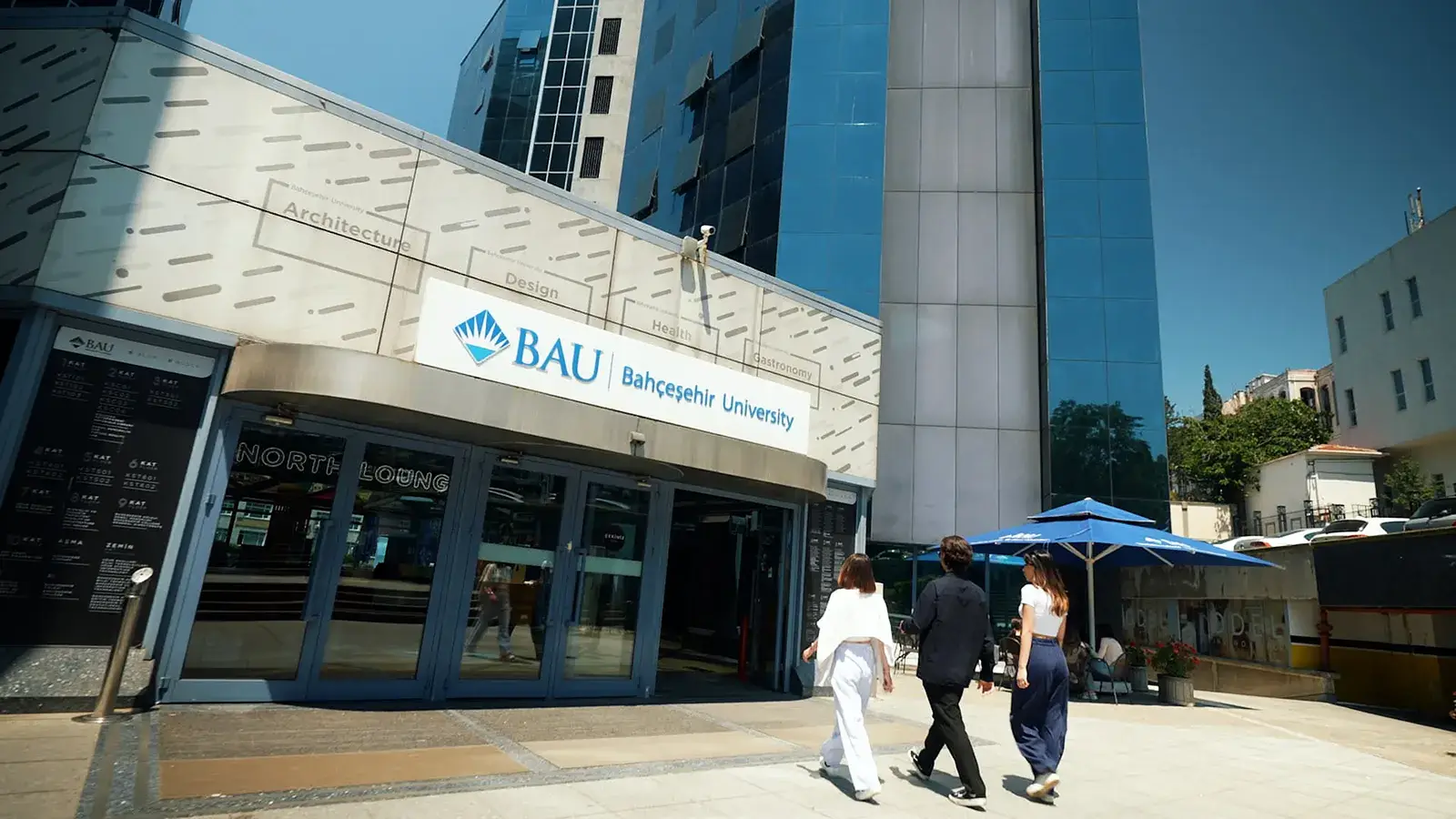

Tuition is per year. Sociology is among the most affordable degrees in Türkiye, and with 16 universities to choose from you can find a strong program at a modest budget, mostly in Istanbul as well as other cities, though note the language of instruction for each.
Sociology Tuition Fees in Türkiye (2026)
Tuition for sociology in Türkiye ranges from about $1,750 a year at the most affordable universities to roughly $8,500 a year at the most prestigious private faculties, with most programs in the lower-to-middle part of that range, making it one of the more affordable degrees. The figure depends on the university’s reputation, the language of instruction and the city.
A few points help you compare fairly. The reputation and faculty strength matter in a social-science degree, so weigh those alongside price. Remember that the published number is an annual fee, so multiply across four years, and add a year if you need Turkish preparatory study for a Turkish-taught program. Confirm whether the fee is quoted in US dollars or euros. The full, filterable list of fees is in our programs explorer, where you can sort by budget, and our scholarships and tuition guide explains how to bring the cost down.
Cost of Living for Students in Türkiye
On top of tuition, budget roughly $400 to $700 a month for living costs, depending on the city. Istanbul is the most expensive, especially for rent, while Ankara, Izmir and other cities are more affordable. A realistic monthly budget covers dormitory or shared accommodation, food, transport, books and some social life.
Because tuition is moderate and living costs are low, the total cost of studying across four years remains very competitive internationally. Many universities offer dormitories at controlled prices, and a student transport card reduces travel costs. Our Study in Türkiye guide breaks down the full cost picture across cities.
Scholarships for Social-Science Students in Türkiye
The headline tuition is rarely what students pay. Many private universities offer merit scholarships that reduce tuition, awarded on your high-school grades and sometimes an assessment, and some offer partial scholarships specifically to attract strong international students. On top of that, the usual sibling and cash or early-payment discounts apply and can stack with a merit award.
A merit scholarship can bring an already-affordable degree down to a very modest cost over four years, so it is always worth asking what each university can offer before you commit. You can see live discounts in our programs explorer, and our scholarships and tuition guide explains how to combine them. Our advisors also know which universities are most generous with scholarships in a given intake.
Accreditation and International Recognition
Sociology is an academic degree, so recognition is straightforward. Every Turkish university and its faculty are accredited by the national Higher Education Council (YÖK), which sets the standards for the degree, and Türkiye follows the Bologna Process and the ECTS credit system used across Europe, so your degree is recognised as a higher-education qualification across the European Higher Education Area and in many countries beyond it.
Because it is not a licensed profession, there is no registration barrier, so the degree is fully portable for employment and further study worldwide. We verify the standing of the programs we recommend, so you can prioritise quality and the right language pathway in your choice.
Admission Requirements in Türkiye
Admission to sociology in Türkiye is accessible compared with many Western systems. Typical requirements for an international applicant are:
- A completed high-school diploma with good grades
- A copy of your passport
- Proof of language: for English-taught programs, English such as IELTS or TOEFL; for Turkish-taught programs, Turkish proficiency or a preparatory year
- At some universities, an entrance examination or an internationally recognised test score
Strong results in humanities and social-science subjects help your application. We review your profile honestly, tell you which faculties suit your grades, budget and language, and prepare and submit the application with you.
How to Apply to Study in Türkiye: Timeline
Apply early, because the best programs and scholarships fill first. Most students begin two to three months before the Fall intake, which is the main entry point. A typical timeline:
- Free consultation, where we review your grades, budget, language and goals and suggest realistic faculties.
- Choose university and program, confirming language, tuition and scholarships.
- Apply and receive admission, where we prepare and submit your documents and secure your acceptance letter.
- Visa and travel, where we guide you through the student visa, residence permit and accommodation.
Starting ahead of the crowd gives you the best access to scholarships and to places at the most sought-after faculties.
Student Visa and Residence Permit for Students
After you receive your acceptance letter, you apply for a student visa at the Turkish consulate in your home country, providing the acceptance letter, passport, photographs, proof of funds and the visa form. We walk you through the exact list. You enter Türkiye on this visa to begin your studies, then convert your status into a student residence permit (ikamet) after you arrive and enrol, which covers you for the duration of the four-year program. The university’s international office assists with enrolment, and we support you through the residence-permit steps, which involve an online appointment, biometrics and health insurance.
Careers After a Sociology Degree
Sociology leads into a versatile range of careers built on research, analysis and an understanding of society. Graduates work in social research and market research, gathering and analysing data; in the social sector and NGOs, in civil society, charities and international organisations; in public policy and the civil service, where understanding society informs decisions; in human resources and organisations, applying insight into people and groups; in media, journalism and communications; in education and academia; and in roles across business that value research and analytical skills. The data and research skills in particular are increasingly sought across many sectors.
Because the skills are broad and transferable, demand is wide rather than narrow, and the qualification is portable across countries. The main thing is to direct the degree toward a goal and build relevant practical skills, especially data analysis and research methods, which make sociology graduates particularly employable. Many graduates also continue to a master’s to specialise, in areas such as social policy, criminology, data and research, or social work. The combination of versatility, valuable analytical skills and a low-cost route to the degree makes sociology a smart choice for a curious, socially engaged international student.
Why Türkiye Is a Fascinating Place to Study Society
A distinctive reason to study sociology in Türkiye is the country itself as a subject of study. Few places offer such a vivid setting for the questions sociology asks. Türkiye bridges continents and cultures, blends deep tradition with rapid modernisation, has experienced large-scale internal and international migration, and is home to lively debates about identity, religion, gender, family and the city. For a sociology student, this means studying theory and method while living amid the very phenomena you are analysing, an education in society that goes well beyond the classroom. Whether you study in English or Turkish, the experience of observing a complex, changing society first-hand is a genuine asset, deepening both your understanding and your global perspective in a way that enriches your degree and your later career.
The Value of Research and Data Skills
It is worth highlighting one part of the sociology degree that increasingly drives graduate employability: research methods and data skills. Modern sociology trains you in both quantitative methods, including statistics and survey analysis, and qualitative methods, such as interviews and ethnography, and in turning evidence into clear, defensible conclusions. In a world awash with data, employers across business, government, technology and the social sector value people who can design research, analyse data responsibly and communicate what it means. Students who lean into these skills, taking the methods courses seriously, learning relevant software, and applying them in their research project, graduate with a practical, marketable capability on top of their sociological understanding. We encourage students to treat these skills as a core part of the degree, and our advisors can point you toward programs with particular strength in research training.

“Take the methods courses seriously — research and data skills are exactly what make sociology graduates employable, and we can point you toward programs with particular strength in research training.”
Mary — Türkiye Apply admissions team
Master’s Options in Sociology and the Social Sciences
After your bachelor’s, Turkish universities offer master’s programs in sociology, social policy, social work, criminology and related fields, some taught in English. Continuing to a master’s lets you specialise, strengthens your profile, and Türkiye’s affordable postgraduate tuition makes this attractive. Sociology pairs naturally with neighbouring social sciences and humanities, so the bachelor’s opens many postgraduate directions. Our advisors can help you plan the pathway, including which language and specialisation fit your goals.
Studying in Northern Cyprus vs Mainland Türkiye
A choice many applicants face is whether to study on the Turkish mainland or in Northern Cyprus, and both have advantages. Mainland Türkiye, and Istanbul in particular, offers the largest selection of programs, the most opportunities, and strong social-science faculties, set within the very society you are studying. The trade-off is a higher cost of living, especially in Istanbul.
Northern Cyprus can be an option, particularly where an English-taught program is available, combining a relaxed Mediterranean lifestyle and a lower cost of living with established universities and international cohorts. Both routes lead to the same kind of qualification, and the right choice comes down to your budget, the language and city you want, and the specific universities’ standing, which we help you confirm.
How to Compare Sociology Schools in Türkiye
With 16 universities offering sociology, a short checklist keeps the decision clear. Start with the language of instruction, since this shapes your whole experience and whether you need a preparatory year. Weigh the university’s standing and faculty strength in sociology. Look at the research-methods training and specialisations offered, since these drive employability. Compare the real cost, taking published tuition and subtracting any discounts, then adding living costs and any preparatory year. And consider the city, since opportunities vary. Our advisors run through exactly this checklist with each student during a free consultation.
Common Mistakes International Sociology Students Make
A few avoidable mistakes cause most of the disappointment we see. The biggest is not checking the language of instruction, then being surprised by a Turkish-taught program or a preparatory year. The second is not thinking about how to use the degree, since it is versatile but rewards a clear direction. A third is neglecting research and data skills, which are exactly what make sociology graduates employable. And a fourth is leaving the application too late, missing scholarships and places. Each of these is easy to avoid with the right guidance, which our free consultation provides.
DON’T
- Skip checking the language of instruction
- Drift without thinking about how to use the degree
- Neglect research and data skills
- Leave the application too late
DO
- Confirm the language and plan for any preparatory year
- Think early about your direction and build toward it
- Take research methods and data skills seriously
- Apply early to secure scholarships and places
What a Sociology Student Actually Does
Prospective students often ask what the four years feel like day to day, and the honest answer is that sociology is a reading, thinking, researching and discussing degree. You spend time reading social theory and research, learning and applying research methods, both statistical and qualitative, attending seminars and debating ideas, and writing essays and a research project that analyse real social questions. You learn to question assumptions, weigh evidence and understand the forces that shape societies and individuals. It is a degree that rewards curiosity about people and society, critical thinking and an interest in evidence, and students who are fascinated by how the social world works tend to thrive and to graduate with versatile, analytical skills.
Tips for International Sociology Students in Türkiye
A few pieces of advice make the journey smoother. Confirm the language of instruction and plan for any preparatory year before you commit. Think early about how you want to use the degree, and build toward it. Take research methods and data skills seriously, since they drive employability. Seek internships or volunteering in research, NGOs or the social sector to build experience. Apply early to secure scholarships and places. And keep your documents, transcripts and passport scans organised from the start, since you will reuse them for admission, the visa and the residence permit.
Is Sociology Right for You?
It is worth asking honestly whether sociology suits you, because the students who thrive are those genuinely curious about people and society. Sociology rewards people who ask why the social world works the way it does, who are willing to question assumptions, including their own, who enjoy reading and discussing ideas, and who are interested in evidence rather than just opinion. You do not need to have a single career in mind from the start, since the degree is deliberately broad, but you do need an appetite for thinking carefully about complex social questions and for the research and writing the degree involves. If you are the kind of person who notices patterns in how people behave, who is curious about inequality, culture, institutions and change, and who wants a degree that builds transferable analytical and research skills, sociology can be a genuinely rewarding choice. If you prefer something more directly vocational, our advisors are happy to help you compare sociology with other fields so you choose what fits you best.
How Sociology Compares with Related Social Sciences
Many students weighing sociology also look at neighbouring social sciences, and understanding the differences helps you choose well. Sociology takes the broadest view, studying societies, groups, institutions and social behaviour as a whole, which is exactly what makes it so versatile. Psychology focuses more on the individual mind and behaviour, political science on government, power and politics, social work on directly helping individuals and families, and economics on the production and distribution of resources. There is real overlap, and many sociology graduates move into adjacent fields or combine sociology with them at master’s level. The advantage of sociology is its breadth and its strong grounding in research methods, which keep many doors open; the trade-off is that you may want to specialise later to point the degree toward a particular career. Our advisors can talk through how sociology compares with these related fields against your own interests, so you make an informed choice rather than guessing. It is also perfectly possible to begin in sociology and then narrow your focus through your electives, your research project and a later master’s, which is one of the reasons the degree works so well for students who are still exploring exactly where they want to end up.
Frequently Asked Questions About Studying Sociology in Türkiye
Can I study sociology in English in Türkiye?
Yes, at the 6 universities in our catalogue that offer it in English. The rest teach mainly in Turkish, which would normally require a Turkish preparatory year, so check the language of each program carefully.
How long is the degree in Türkiye?
It is a four-year undergraduate degree entered directly after high school. Add a year if you need a Turkish preparatory course for a Turkish-taught program.
How much does it cost?
Tuition ranges from about $1,750 to $8,500 a year, depending on the university, language and city, making it one of the more affordable degrees. Scholarships can reduce this further.
What jobs can I get with this degree?
Graduates work in social and market research, NGOs and the social sector, public policy, human resources, media, education and roles across business that value research and analytical skills.
Is a Turkish sociology degree recognised internationally?
Yes. Every university is accredited nationally and Türkiye follows the Bologna Process and ECTS. It is not a licensed profession, so the degree is portable.
Do I need to speak Turkish?
For an English-taught program, no, beyond useful daily Turkish. For a Turkish-taught program, yes, and you would take a preparatory year if needed. Sociology is language-intensive, so comfort in the language of instruction matters.
What skills make sociology graduates employable?
Research methods and data analysis, both quantitative and qualitative, alongside critical thinking and clear communication, are especially valued across many sectors.
When should I apply?
Apply two to three months before the Fall intake to secure the best scholarships and places.
Can I do a master’s in sociology in Türkiye?
Yes. Turkish universities offer postgraduate sociology, social policy, criminology and social-work programs, some in English, at affordable tuition.
Is studying sociology in Türkiye suitable for international students?
Yes, especially given Türkiye’s rich social setting. Confirm the language of instruction, and dedicated international offices help you settle in.
Want help finding a sociology program that fits your language, goals and budget? Book a free consultation and we will shortlist the right faculties for you, or compare every option now in our programs explorer.
Have a question about this article?
Our advisors will guide you for free so you can choose the best path.
Free consultationWhy students choose us
Real partnerships, honest pricing, and support that doesn't stop at admission.
Scholarships & smart discounts
We match you with merit scholarships (often 25–100%) plus sibling and early-payment discounts, so you pay the lowest fair price for your program.
Free, end-to-end guidance
As an authorized agent, our advice and application support cost you nothing. We prepare and submit everything for you — no guesswork.
57 partner universities
Direct partnerships across Türkiye and Northern Cyprus with 5,500+ programs. We find the program that fits you, not just any offer.
Transparent, honest fees
Every tuition figure comes straight from our live catalog and is shown upfront. No hidden costs, no surprises before you commit.
No entrance exam needed
Most private universities admit you on your academic record — many fully in English — so you can apply without YÖS or SAT.
With you to visa & arrival
From choosing a program to your student visa, residence permit and settling in, we stay by your side at every step.