
Pharmacy is one of the most rewarding health-science degrees an international student can take in Türkiye, combining strong career prospects with a far lower cost than studying pharmacy in Western Europe, North America or the Gulf. Our catalogue lists 32 pharmacy programs at 22 universities, with 18 universities offering pharmacy fully in English and tuition ranging from about $3,090 to $18,000 a year.
This complete 2026 guide is written for international students who want to study pharmacy in Türkiye. It covers why Türkiye is such a strong choice, how the five-year pharmacy degree is structured, which universities offer it and at what price, the scholarships available, and how a Turkish pharmacy degree is recognised internationally. You will also find the admission requirements, the application timeline and the visa process, plus the career paths open to you after you qualify. Click any university name to open its full profile, and compare every pharmacy program in our programs explorer.
Why Study Pharmacy in Türkiye in 2026
Türkiye has a large and growing pharmaceutical sector, a dense network of community and hospital pharmacies, and modern faculties with well-equipped laboratories, which together make it an excellent place to train as a pharmacist. Many private universities teach the full pharmacy degree in English, drawing international cohorts from across the Middle East, Africa, Central Asia and beyond, so you study in a global environment without needing Turkish from the start.
The financial case is compelling. A complete pharmacy education in Türkiye costs a fraction of what a pharmacy degree costs in the United Kingdom, the United States or much of Europe, while still being delivered in faculties with modern analytical laboratories, training pharmacies and active research. For many families, Türkiye offers the rare combination of an English-taught, affordable pharmacy degree in a country that is safe, welcoming and easy to reach by direct flights from most of the region.
Beyond cost and language, the lifestyle is a genuine draw. Turkish cities are vibrant and student-friendly, the climate is warm, and there is a large, established community of international health-science students that makes settling in straightforward. Over a five-year degree, that quality of life matters more than students often expect when they first apply.
Is Studying Pharmacy in Türkiye Worth It?
For most international students the answer is yes, provided you choose a recognised university and plan for the licensing path in the country where you ultimately want to work. The teaching quality at the established pharmacy faculties is high, the laboratory and placement training is real, and the degree is recognised in many countries, which is the factor that matters most for a regulated profession like pharmacy. We go through recognition in detail below.
The main thing to plan for is the registration route home or abroad. A pharmacy degree, wherever you earn it, usually requires you to register with the pharmacy regulator and often to pass a local registration or equivalency examination before you can practise, and that is true of graduates from any country, not just Türkiye. It is entirely manageable with preparation. The students for whom Türkiye is the best fit are those who want a high-quality, English-taught, affordable pharmacy education and are willing to complete the registration steps for their target country, which pharmacy graduates do everywhere. With tuition so much lower than in the West, the return on investment is strong, and pharmacy offers broad and stable employment.
How Long Is a Pharmacy Degree in Türkiye?
Pharmacy in Türkiye is a five-year undergraduate degree, entered directly after high school, the same structure used across most of Europe. There is no separate pre-pharmacy degree, so you begin pharmacy studies immediately. On graduation you receive the pharmacy qualification and the title of pharmacist.
The Five-Year Pharmacy Curriculum
The five years move from foundational science toward applied, professional practice. The early years cover the basic sciences such as chemistry, biology, anatomy and physiology, alongside introductory pharmaceutical subjects. The middle years focus on the core of the discipline, including pharmaceutical chemistry, pharmacology, pharmaceutics and drug formulation, pharmacognosy, pharmaceutical microbiology and biochemistry. The later years bring in clinical pharmacy, pharmacy management, pharmacotherapy and pharmaceutical care, along with laboratory work and supervised placements in community and hospital pharmacies, which is where you apply your knowledge with real medicines and, increasingly, alongside patients. If you choose to study in Turkish but are not yet fluent, you complete a one-year Turkish preparatory year first, making the total six years.
English-Taught vs Turkish-Taught Pharmacy in Türkiye
This is the first question most applicants ask, and Türkiye is accommodating here. Of the universities in our catalogue, 18 offer pharmacy fully in English, which means you can complete the entire degree, including most placements, in English.
Studying in English
Studying in English removes the language barrier for coursework and exams, and it is the route most international students take. Even so, learning Turkish during your studies is strongly recommended, because your placements involve real pharmacies and patients, most of whom speak Turkish, and basic pharmacy Turkish makes those placements far more useful. Universities support this with Turkish language classes alongside the pharmacy curriculum, so you graduate with both the qualification and a working knowledge of the language.
The Turkish Preparatory Year (Hazırlık)
If you would prefer to study pharmacy in Turkish, the Turkish-taught programs are often a little cheaper, and you would complete the one-year preparatory year first, with a placement test to confirm your level. Either way, you graduate with the same pharmacy qualification, so the choice comes down to language preference, budget and how quickly you want to begin the pharmacy studies themselves.
Pharmacy Universities in Türkiye: Tuition Compared
The table below lists the universities in our catalogue that offer pharmacy, with the city, language of instruction and annual tuition. Click any university to open its full profile, laboratory and campus details, and complete program list.
| University | City | Language | Tuition/yr |
|---|---|---|---|
| Altinbas University | Istanbul | English | $10,800 |
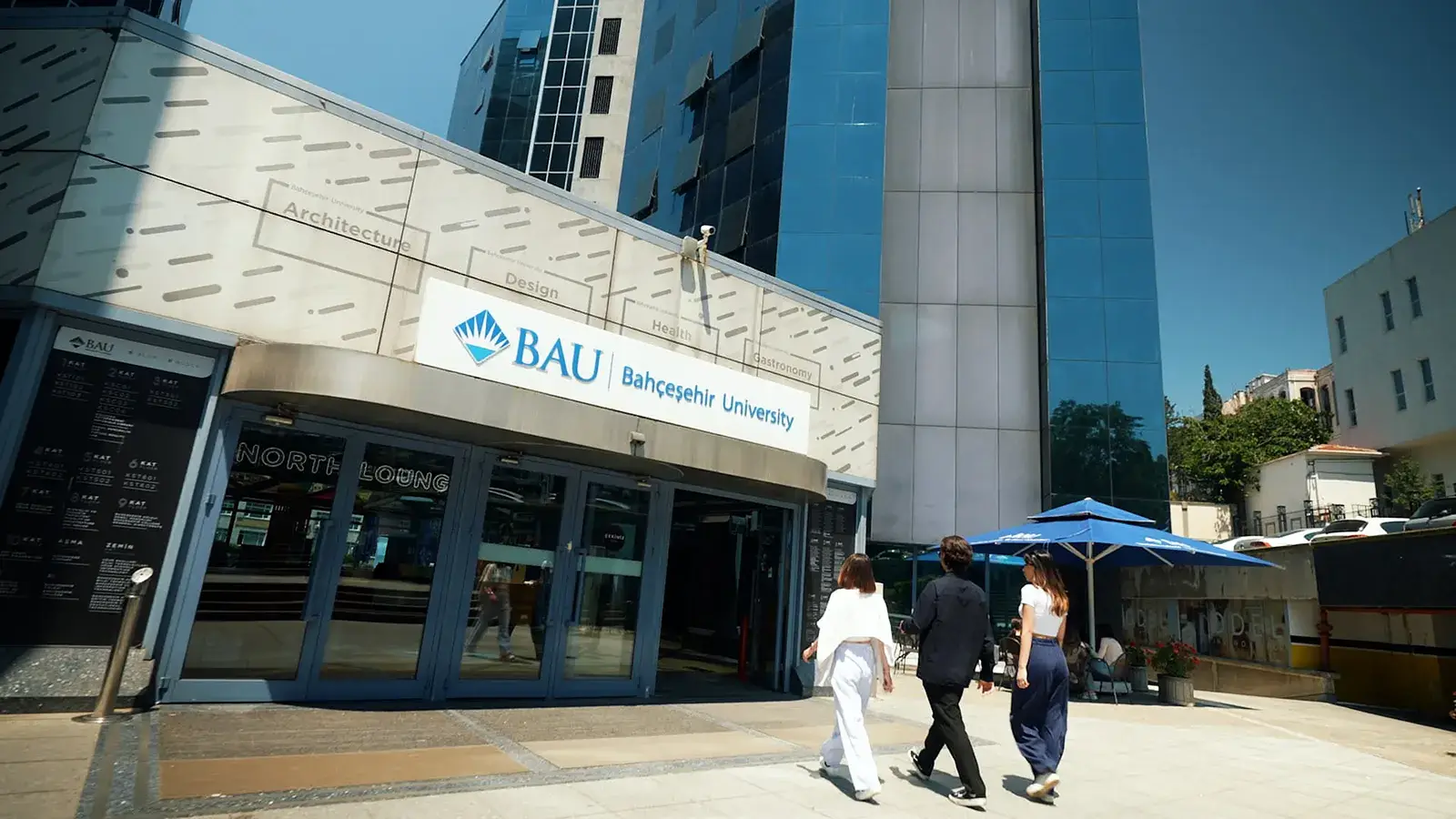
| Bahcesehir University | Istanbul | English | $15,000 |
| Bezmialem Vakif University | Istanbul | Turkish | $14,500 |
| Biruni University | Istanbul | English / Turkish | $9,000-12,000 |
| Fenerbahce University | Istanbul | English / Turkish | $6,500-8,000 |
| Istanbul Aydin University | Istanbul | English / Turkish | $11,000-15,000 |
| Istanbul Health and Technology University | Istanbul | English / Turkish | $6,000-8,000 |
| Istanbul Kent University | Istanbul | English / Turkish | $18,000 |
| Istanbul Medipol University | Istanbul | English / Turkish | $15,000-18,000 |
| Istanbul Okan University | Istanbul | English / Turkish | $7,600-8,000 |
| Istanbul Yeni Yuzyil University | Istanbul | Turkish | $7,500 |
| Istinye University | Istanbul | English / Turkish | $14,000-15,000 |
| Ankara Medipol University | Ankara | English / Turkish | $9,000-9,500 |
| Cyprus Health And Social Sciences University | Cyprus | English | $3,500 |
| Cyprus International University | Cyprus | English | €4,099 |
| Eastern Mediterranean University | Cyprus | English | $8,683 |
| European University of Lefke | Cyprus | Turkish | €3,100 |
| Final International University | Cyprus | English | $3,090 |
| Kocaeli University of Health and Technology | Kocaeli | Turkish | $6,500 |
| Lokman Hekim University | Ankara | English / Turkish | $13,500 |
| Near East University | Cyprus | English | €4,112 |
| University of Kyrenia | Cyprus | English | €3,440 |
Tuition is per year. Pharmacy is more affordable than medicine or dentistry, because it does not require the same hospital and clinic infrastructure, which makes it one of the better-value health degrees in our catalogue.
Pharmacy Tuition Fees in Türkiye (2026)
Pharmacy tuition in Türkiye ranges from about $3,090 a year at the most affordable universities to roughly $18,000 a year at the most prestigious private faculties, with many English-taught programs sitting comfortably in the lower middle of that range. The figure depends on the university’s reputation, its laboratory facilities, the language of instruction and the city.
A few points help you compare fairly. The Northern Cyprus universities and some newer private faculties tend to be at the more affordable end, while the established, highly regarded Istanbul private pharmacy schools sit higher. Remember that the published number is an annual fee, so multiply across five years for the full cost of the degree, and confirm whether the fee is quoted in US dollars or euros. The full, filterable list of fees is in our programs explorer, where you can sort by budget, and our scholarships and tuition guide explains how to bring the cost down.
Budget check: the published number is an annual fee — multiply across five years for the full cost of the degree, and confirm whether the fee is quoted in US dollars or euros.
Cost of Living for Pharmacy Students in Türkiye
On top of tuition, budget roughly $400 to $700 a month for living costs, depending on the city. Istanbul is the most expensive, especially for rent, while Cyprus, Ankara and the Anatolian cities are more affordable. A realistic monthly budget covers dormitory or shared accommodation, food, transport, study materials and some social life.
Pharmacy students often appreciate that the degree is a little less time-intensive than medicine or dentistry in the early years, which can leave room for part-time work or extracurricular activities, though the laboratory and placement components keep you busy later on. Many universities offer dormitories at controlled prices, and a student transport card reduces travel costs. Our Study in Türkiye guide breaks down the full cost picture across cities so you can plan the whole five years rather than just the first.
Scholarships for Pharmacy Students in Türkiye
The headline tuition is rarely what students actually pay. Many private universities offer merit scholarships that reduce pharmacy tuition, awarded on your high-school grades and sometimes an entrance assessment, and some offer partial scholarships specifically to attract strong international students. On top of that, the usual sibling and cash or early-payment discounts apply and can stack with a merit award.
Because pharmacy fees are moderate to begin with, a merit scholarship can bring the cost down to a very manageable level over five years, so it is always worth asking what each university can offer before you commit. You can see live discounts in our programs explorer, and our scholarships and tuition guide explains how to combine them. Our advisors also know which universities tend to be most generous with pharmacy scholarships in a given intake.
Is a Turkish Pharmacy Degree Recognised Internationally?
This is the most important question for any prospective pharmacy student, because pharmacy is a regulated profession everywhere. The reassuring part is that Turkish universities are accredited by the national Higher Education Council (YÖK), and the country follows the Bologna Process and the ECTS credit system used across Europe, so the degree is recognised across the European Higher Education Area and in many countries beyond it.
In practice, working as a pharmacist in a specific country depends on registering with that country’s pharmacy regulator, which usually involves passing a registration or equivalency examination and having your degree and training verified. This is the same requirement that applies to pharmacy graduates from anywhere, and the routes are well established, whether that is a registration exam in the Gulf, the registration assessment for the United Kingdom, the equivalency process for North America, or procedures elsewhere. The essential step is to confirm the exact requirements with the pharmacy regulator in the country where you intend to work before you enrol, because the rules differ from country to country and can change. We check each university’s accreditation and help you understand the recognition pathway for your target country during the consultation, so you make this decision with full information.
Pharmacy Admission Requirements in Türkiye
Admission to pharmacy in Türkiye is accessible compared with many Western systems, where places can be limited. Typical requirements for an international applicant are:
- A completed high-school diploma with good grades, particularly in chemistry and biology
- A copy of your passport
- For English-taught programs, proof of English such as IELTS or TOEFL, or a pass in the university’s own English assessment
- At some universities, an entrance examination or an internationally recognised test score
- Health and other supporting documents requested by the specific faculty
Good high-school results in the sciences strengthen your application, but pharmacy is generally less competitive to enter than medicine. We review your profile honestly, tell you which pharmacy faculties suit your grades and budget, and prepare and submit the application with you.
How to Apply to Pharmacy School in Türkiye: Timeline
Apply early, because the best programs and scholarships fill first. Most students begin two to three months before the Fall intake, which is the main entry point. A typical timeline:
- Free consultation, where we review your grades, budget and target country and suggest realistic pharmacy faculties.
- Choose university and program, confirming language, tuition, scholarships and recognition for your home country.
- Apply and receive admission, where we prepare and submit your documents and secure your acceptance letter.
- Visa and travel, where we guide you through the student visa, residence permit and accommodation.
Starting ahead of the crowd gives you the best access to scholarships and to places at the most sought-after faculties.
Student Visa and Residence Permit for Pharmacy Students
After you receive your acceptance letter, you apply for a student visa at the Turkish consulate in your home country, providing the acceptance letter, passport, photographs, proof of funds and the visa form. We walk you through the exact list. You enter Türkiye on this visa to begin your studies, then convert your status into a student residence permit (ikamet) after you arrive and enrol, which covers you for the duration of the five-year program. The university’s international office assists with enrolment, and we support you through the residence-permit steps, which involve an online appointment, biometrics and health insurance.
Careers After a Pharmacy Degree in Türkiye
Pharmacy is one of the most versatile health degrees, and your qualification opens several distinct paths. The most common is community pharmacy, working in or owning a retail pharmacy, which offers excellent self-employment prospects. Hospital pharmacy involves working within a hospital’s clinical team, managing medicines and advising on therapy. Beyond practice, the pharmaceutical industry recruits pharmacy graduates for research and development, quality control, regulatory affairs, drug safety and sales, and Türkiye’s large and growing pharmaceutical sector is a genuine employer of graduates.
Other graduates move into regulatory and government roles, academia and research, or specialised areas such as clinical trials and pharmacovigilance. Because the skill set spans science, healthcare and business, a pharmacy degree travels well internationally, and it provides a stable foundation whether you want to practise, work in industry, or continue to postgraduate study.
Pharmacy Specialisations and Postgraduate Options
After qualifying, many pharmacists deepen their expertise through postgraduate study or specialisation in fields such as clinical pharmacy, pharmacology, pharmaceutical technology, pharmacognosy, pharmaceutical chemistry or pharmacy management. Turkish universities offer master’s and PhD programs in these areas, often in English, so you can continue your studies in the same system. A research-oriented postgraduate path also opens the door to academia and to roles in pharmaceutical research and development, which is a growing area as the country expands its life-sciences sector.
Türkiye’s Growing Pharmaceutical Industry
One reason pharmacy is such a practical degree to study in Türkiye is the strength of the country’s pharmaceutical sector. Türkiye manufactures a large share of its own medicines, hosts the regional operations of multinational pharmaceutical companies, and continues to invest in research, production and exports. For a pharmacy student, this means the degree leads into a real and expanding job market, not just retail practice. It also means faculties maintain links with industry, so students can find placements, internships and, after graduation, roles in manufacturing, quality and regulatory affairs. This industry depth is part of what makes a Turkish pharmacy degree a forward-looking choice.
Studying Pharmacy in Northern Cyprus vs Mainland Türkiye
A choice many applicants face is whether to study pharmacy on the Turkish mainland or in Northern Cyprus, and both have genuine advantages. Mainland Türkiye, and Istanbul in particular, offers the largest pharmaceutical industry, the widest selection of English-taught faculties, and the most placement opportunities in busy community and hospital pharmacies. The trade-off is a higher cost of living, especially for accommodation in Istanbul.
Northern Cyprus has become a popular destination for international pharmacy students because it combines English-medium teaching, a relaxed Mediterranean island lifestyle and a noticeably lower cost of living with established universities that have large international cohorts. Both routes lead to the same pharmacy qualification, and the right choice comes down to your budget, the kind of city you want to live in, and the specific universities’ recognition status for your target country, which we help you confirm.
How to Compare Pharmacy Schools in Türkiye
With 22 universities offering pharmacy, a short checklist keeps the decision clear. Start with language, confirming the program is taught in English or that you are ready for the Turkish preparatory year. Check recognition next, verifying with your home country’s pharmacy regulator that the degree will be accepted for registration. Then weigh the laboratories and placements, since hands-on training drives the quality of the degree. Compare the real cost, taking published tuition and subtracting any merit, sibling and cash discounts, then adding living costs for the city. Consider the city itself, and look closely at the scholarship offer. Our advisors run through exactly this checklist with each student during a free consultation, so you compare like with like rather than reacting to marketing.
📋 Comparing pharmacy schools — tick each check
Common Mistakes International Pharmacy Students Make
A few avoidable mistakes cause most of the problems we see. The biggest is not confirming registration requirements with the pharmacy regulator for the country where the student plans to work before enrolling. The second is leaving the application too late, missing scholarships and places. A third is choosing on price alone, without weighing the laboratories, the language of instruction and the recognition status. And a fourth is neglecting Turkish, which leaves students struggling during placements with Turkish-speaking patients and staff. Each of these is easy to avoid with the right guidance, which is exactly what our free consultation is designed to provide.
DON’T
- Enrol before confirming registration requirements with your target country's regulator
- Leave the application too late
- Choose on price alone
- Neglect Turkish before your placements
DO
- Check the registration requirements first
- Apply early — scholarships and places go first
- Weigh the laboratories, language and recognition status too
- Learn Turkish alongside your studies
Pharmacy vs Medicine vs Dentistry in Türkiye: Which Health Degree?
Many students weighing pharmacy also consider the other health professions, so it helps to know how they compare. Medicine is a longer six-year degree leading to a career as a doctor, with the broadest clinical scope and the highest tuition. Dentistry is a five-year degree focused on oral health, with strong self-employment prospects. Pharmacy is a five-year degree centred on medicines, offering the widest range of career destinations across community practice, hospitals, industry and regulation, usually at a lower tuition than medicine or dentistry. All three are available in English at a number of Turkish universities and follow the same affordable, internationally recognised model. If you are drawn to healthcare but prefer the science of medicines and a broad set of career options, pharmacy is often the strongest fit, and our advisors can map these against your goals during a free consultation. Of course, not every applicant ends up in healthcare at all; those drawn to politics and diplomacy instead can read our guide to studying international relations in Türkiye.
Tips for International Pharmacy Students in Türkiye
A few pieces of advice make the journey smoother. Confirm registration requirements with your target country’s pharmacy regulator before you enrol, since this is the single most important factor for a regulated profession. Apply early to secure scholarships and places. Keep your high-school science grades strong, because they strengthen your application. Learn Turkish alongside your English-taught studies, because your placements involve Turkish-speaking patients and staff. Budget realistically across all five years, and use the placement and internship components deliberately, as they build the experience employers and regulators value. And keep your documents, transcripts and passport scans organised from the start, since you will reuse them for admission, the visa, the residence permit and, later, registration.
Is Pharmacy in Demand? Job Outlook for Graduates
Pharmacy is one of the most stable health professions, and demand for qualified pharmacists remains strong across most of the world. Ageing populations, the growth of chronic-disease management and the expanding role of pharmacists in patient care all point to steady, long-term demand. Unlike some fields, pharmacy offers a clear and regulated career path, which gives graduates a reliable route into employment once they complete registration in their target country.
The breadth of the profession adds to its security. If retail pharmacy is saturated in one market, graduates can pivot into hospital pharmacy, the pharmaceutical industry, regulatory work or research, and the science-heavy training makes the skill set genuinely transferable across countries. For internationally mobile students, this combination of stable demand and varied destinations is a major part of pharmacy’s appeal, and it is why so many families view it as a safe, future-oriented choice that holds its value over a long career.
Choosing Between Community, Hospital and Industry Pharmacy
Part of what makes pharmacy attractive is that the same degree leads to very different working lives, and it is worth thinking early about which appeals to you. Community pharmacy is patient-facing and entrepreneurial, suited to people who enjoy daily contact with the public and the prospect of one day running their own pharmacy. Hospital pharmacy is more clinical and team-based, working alongside doctors and nurses on complex medication regimes, and it suits those drawn to acute care. Industry roles in research, development, quality and regulatory affairs suit students who prefer the laboratory, data and product side, and they connect directly to Türkiye’s large pharmaceutical sector.
You do not need to decide before you enrol, since the degree covers all of these areas and your placements help you discover your preference. But keeping the options in mind can usefully guide your choice of university, since some faculties have stronger links to hospitals and others to the pharmaceutical industry, which can shape the opportunities open to you after graduation.
Frequently Asked Questions About Studying Pharmacy in Türkiye
Can I study pharmacy in English in Türkiye?
Yes. 18 universities in our catalogue offer the full five-year pharmacy degree in English, so you do not need Turkish to enrol.
How long is a pharmacy degree in Türkiye?
Pharmacy is a five-year undergraduate degree entered directly after high school. If you study in Turkish without being fluent, a one-year preparatory year is added.
How much does it cost to study pharmacy in Türkiye?
Tuition ranges from about $3,090 to $18,000 a year, depending on the university, language and city. Scholarships and discounts can reduce this, and pharmacy is more affordable than medicine or dentistry.
Is a Turkish pharmacy degree recognised internationally?
Turkish universities are accredited by the Higher Education Council and follow the Bologna system, so the degree is recognised across the European area and many other countries. Working as a pharmacist requires registering with your country’s pharmacy regulator, so confirm the rules before enrolling.
What jobs can I get after a pharmacy degree?
Common destinations include community pharmacy, hospital pharmacy, the pharmaceutical industry, regulatory affairs, research and academia.
Is pharmacy easier to get into than medicine in Türkiye?
Generally, yes. Pharmacy is usually less competitive to enter than medicine or dentistry, though strong science grades still help.
When should I apply for pharmacy?
Apply two to three months before the Fall intake to secure the best scholarships and places.
Can I do a master’s or PhD in pharmacy in Türkiye?
Yes. Turkish universities offer postgraduate programs in clinical pharmacy, pharmacology and related fields, often in English.
Is pharmacy cheaper in Northern Cyprus than in Istanbul?
Often, yes. Several Northern Cyprus pharmacy faculties are among the more affordable options, with a lower cost of living than Istanbul, while still teaching in English.
Is studying pharmacy in Türkiye suitable for international students?
Yes. Turkish cities are student-friendly, the universities have large international cohorts, and dedicated international offices help you settle in.
Is pharmacy a good career for the future?
Yes. Pharmacy is a stable, regulated profession with steady demand, and the degree opens doors across community practice, hospitals, industry and research, which makes it resilient to changes in any single market.
Can I work in the pharmaceutical industry after a Turkish pharmacy degree?
Yes. Türkiye has a large pharmaceutical sector, and graduates work in research and development, quality control, regulatory affairs and related roles, often after internships arranged through their faculty.
Want help finding a recognised, English-taught pharmacy program that fits your grades and budget? Book a free consultation and we will shortlist the right pharmacy faculties for you, or compare every option now in our programs explorer.
Have a question about this article?
Our advisors will guide you for free so you can choose the best path.
Free consultationWhy students choose us
Real partnerships, honest pricing, and support that doesn't stop at admission.
Scholarships & smart discounts
We match you with merit scholarships (often 25–100%) plus sibling and early-payment discounts, so you pay the lowest fair price for your program.
Free, end-to-end guidance
As an authorized agent, our advice and application support cost you nothing. We prepare and submit everything for you — no guesswork.
57 partner universities
Direct partnerships across Türkiye and Northern Cyprus with 5,500+ programs. We find the program that fits you, not just any offer.
Transparent, honest fees
Every tuition figure comes straight from our live catalog and is shown upfront. No hidden costs, no surprises before you commit.
No entrance exam needed
Most private universities admit you on your academic record — many fully in English — so you can apply without YÖS or SAT.
With you to visa & arrival
From choosing a program to your student visa, residence permit and settling in, we stay by your side at every step.